
Asian tiger mosquito (Aedes albopictus) — overview, biology, public health
Aedes albopictus, the Asian tiger mosquito, is a black-and-white, day‑biting species native to Southeast Asia that has become globally invasive and can transmit several arboviruses; identification and control summarized.
Overview
The Asian tiger mosquito (Aedes albopictus) is a small, distinctive mosquito species originally from tropical and subtropical parts of Southeast Asia. It is commonly called the Asian tiger mosquito or forest day mosquito. The species has spread widely beyond its native range during the late 20th and early 21st centuries, largely through transport of water‑holding goods and human travel. For taxonomic and basic species details see taxonomic information, and for context on its native habitats consult native range summaries. Many municipalities describe its presence as an urban nuisance and public‑health concern (pest status and guidance).
Image gallery
10 Images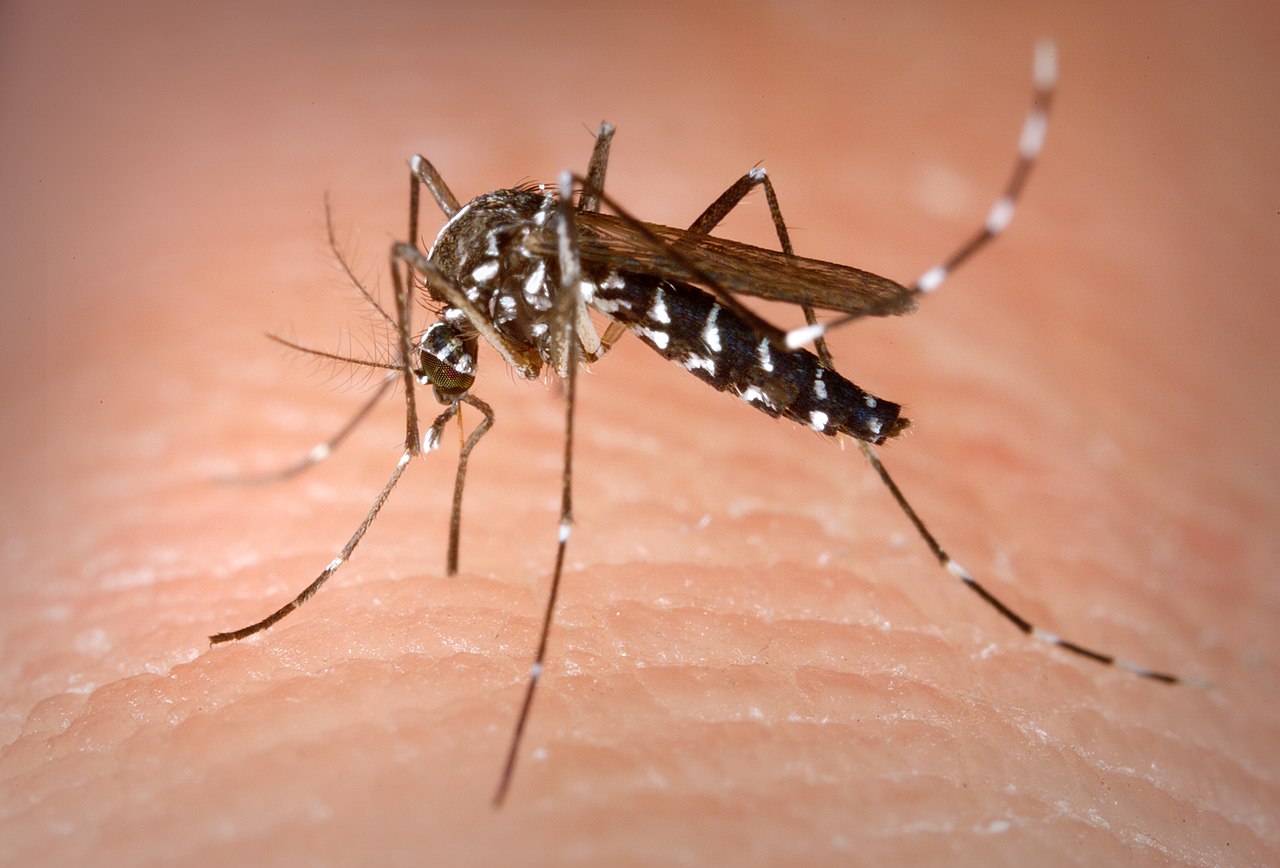




Identification and morphology
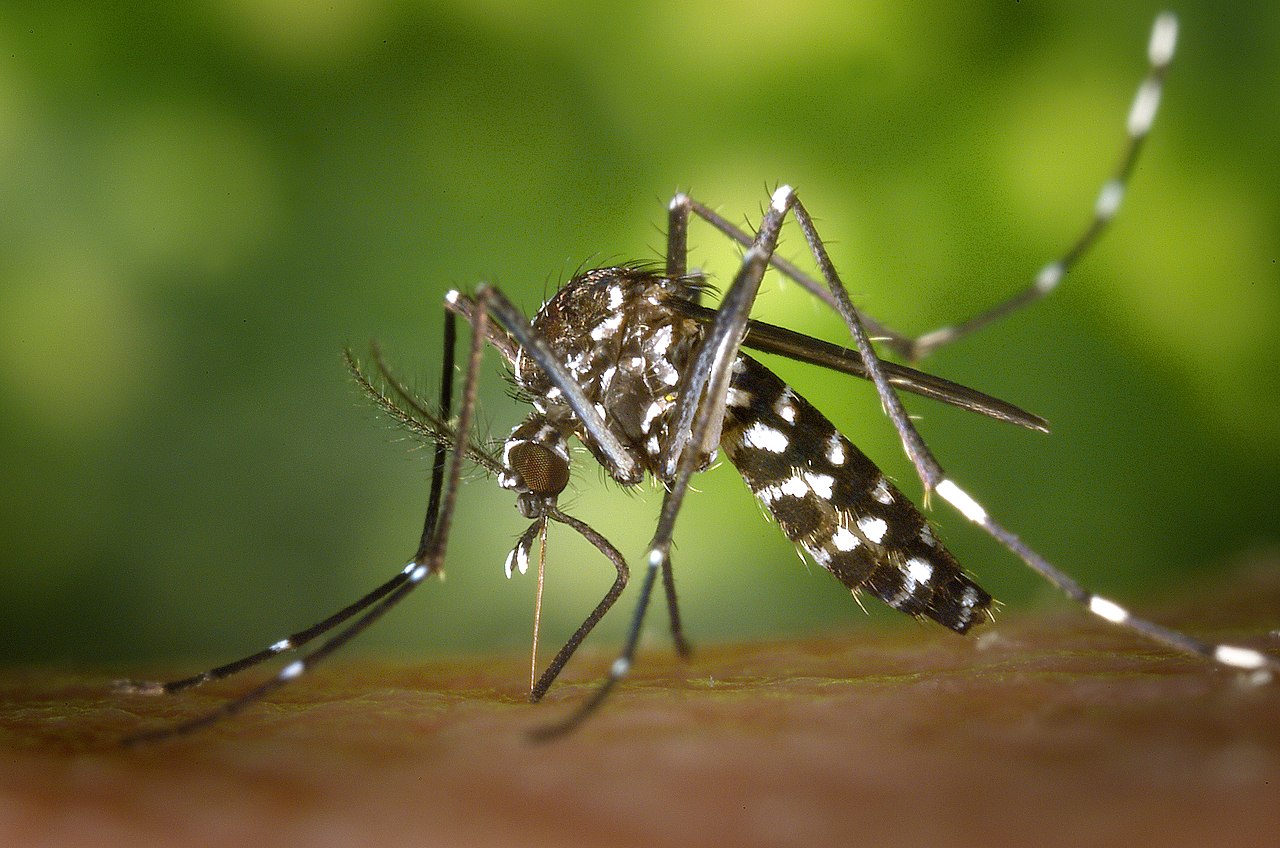
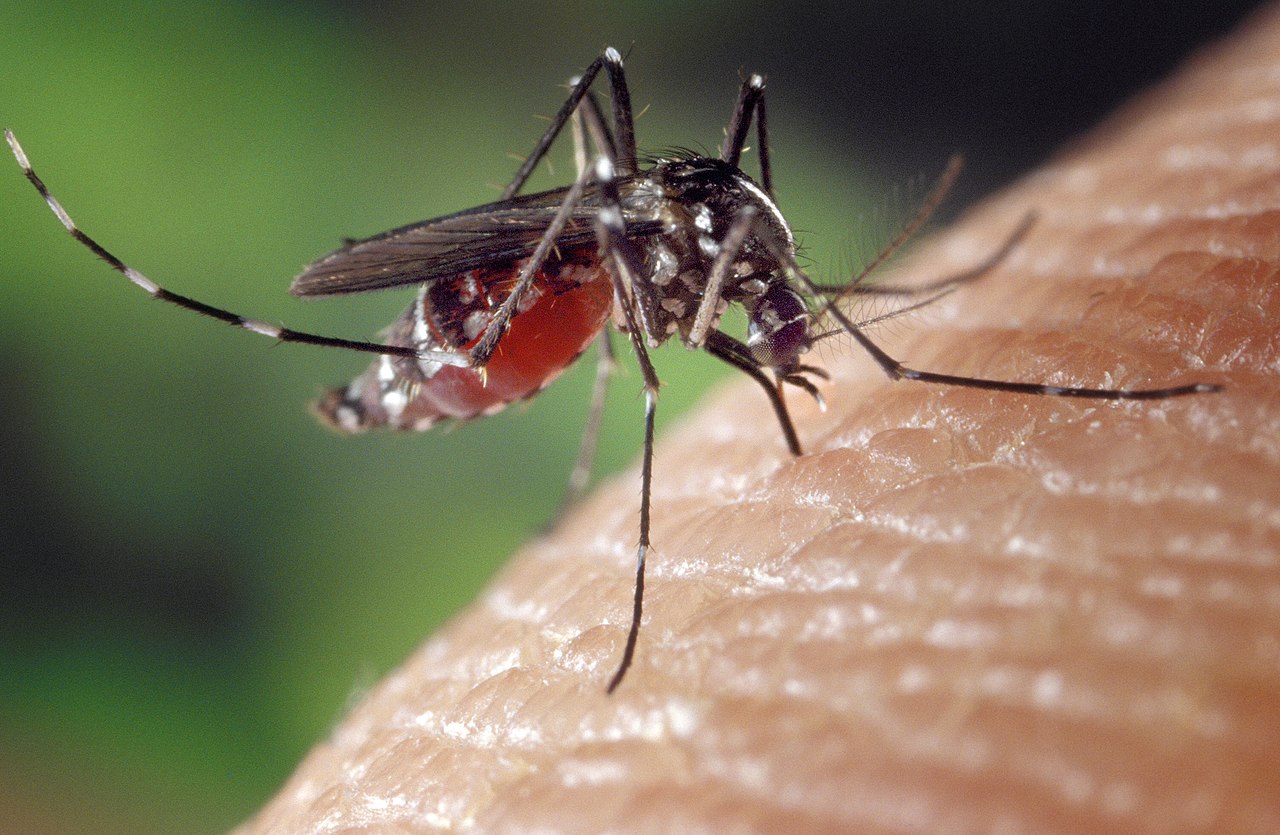
Aedes albopictus adults are small, typically a few millimetres in length, and show unmistakable black-and-white banding. Key identification features include:
- a single white longitudinal stripe on the dorsal thorax;
- black legs with alternating white bands that give a “tiger‑striped” appearance;
- appearance of females being larger than males and females requiring blood meals to develop eggs.
These external characters allow separation from many other local mosquito species, but microscopic or genetic methods are used for definitive identification in surveillance programmes.
Life cycle and behaviour
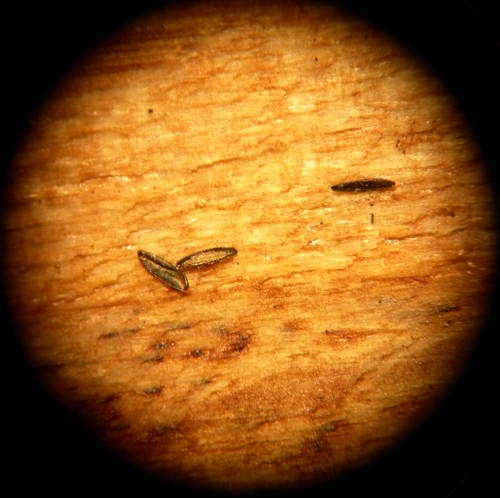
The life cycle follows the typical mosquito stages: egg, larva, pupa and adult. Females lay eggs on the walls of small, water‑holding containers rather than directly on open water; the eggs can resist desiccation for extended periods. Larvae develop in standing water, then pupate and emerge as adults. Unlike many temperate mosquitoes, Aedes albopictus is primarily active during daylight hours with peaks in the early morning and late afternoon, which increases the potential for human contact.
Habitat preferences and spread
This species uses a wide range of artificial and natural containers for breeding: discarded tyres, buckets, plant pot saucers, tree holes and rainwater collectors. Its eggs’ tolerance of drying and its ability to develop in small water volumes have facilitated long‑distance, human‑mediated dispersal. International trade in used tires, ornamental plants and other materials that retain water has been a major pathway; public health and vector control authorities maintain surveillance to detect and respond to incursions (spread and surveillance resources).
Public health importance
Aedes albopictus is a competent vector for several arthropod‑borne viruses (arboviruses) under suitable ecological and epidemiological conditions. It has been associated with local transmission or amplification of viruses including West Nile virus, yellow fever virus, dengue viruses and Chikungunya virus. The ability to transmit a particular pathogen depends on the presence of infected humans or animal reservoirs, virus strains, mosquito abundance and environmental factors. Where the mosquito becomes abundant in populated areas, public health agencies increase surveillance and may issue guidance to reduce transmission risk.
Prevention and control
Control of the Asian tiger mosquito relies on integrated measures that combine source reduction, targeted larval control, community engagement and individual protection. Typical actions include:
- eliminating or frequently emptying small containers that collect water and cleaning gutters;
- covering water storage, treating unavoidable water bodies with approved larvicides, and maintaining pools and ponds;
- using window screens, repellents containing approved active ingredients, and wearing protective clothing during periods of activity;
- community education and coordinated cleanup campaigns to remove breeding sites on both public and private properties;
- local surveillance and, when necessary, targeted adulticiding or larviciding guided by public health authorities and surveillance resources.
Effective control usually requires participation across households, municipalities and sometimes regional authorities because breeding sites are widely distributed and may be on private property.
Ecological and social impacts
Beyond direct nuisance biting, establishment of Aedes albopictus can alter local mosquito community composition and raise public concern about disease risk. Its presence has economic implications for public health programmes and vector control budgets. At the same time, it interacts with local ecosystems mainly through competition with native container‑breeding mosquitoes rather than widespread ecological disruption.
Research, surveillance and public guidance
Ongoing research addresses questions of climate suitability, vector competence for different pathogens, and effective control tools including biological control agents and community interventions. Surveillance combines trap networks, larval surveys and public reporting to detect changes in distribution and abundance. For authoritative advice on monitoring and response, consult local public health agencies and the resources linked above (species information, habitat summaries, surveillance guidance).
Further reading and resources
Local and national public health authorities provide region‑specific guidance on identifying, reporting and controlling this mosquito. General background, identification keys and management recommendations are available through specialist entomology and vector control publications and the linked resources for taxonomy, native range and pest information (taxonomic details, native range, pest information).
Related articles
Author
AlegsaOnline.com Asian tiger mosquito (Aedes albopictus) — overview, biology, public health Leandro Alegsa
URL: https://en.alegsaonline.com/art/6619