
Asiatic wildcat (Felis silvestris ornata)
A small wildcat subspecies native to arid and steppe regions of Central and South Asia, recognised by a pale, spotted coat and facing habitat loss and hybridization threats.
Overview
The Asiatic wildcat (Felis silvestris ornata), sometimes called the Asian steppe wildcat or Indian desert cat, is a small felid subspecies adapted to dry and open landscapes. Roughly the size of a typical housecat, it retains the general wildcat body plan while showing coat and skull features that suit life in steppes, semi-deserts and dry scrub.
Image gallery
4 Images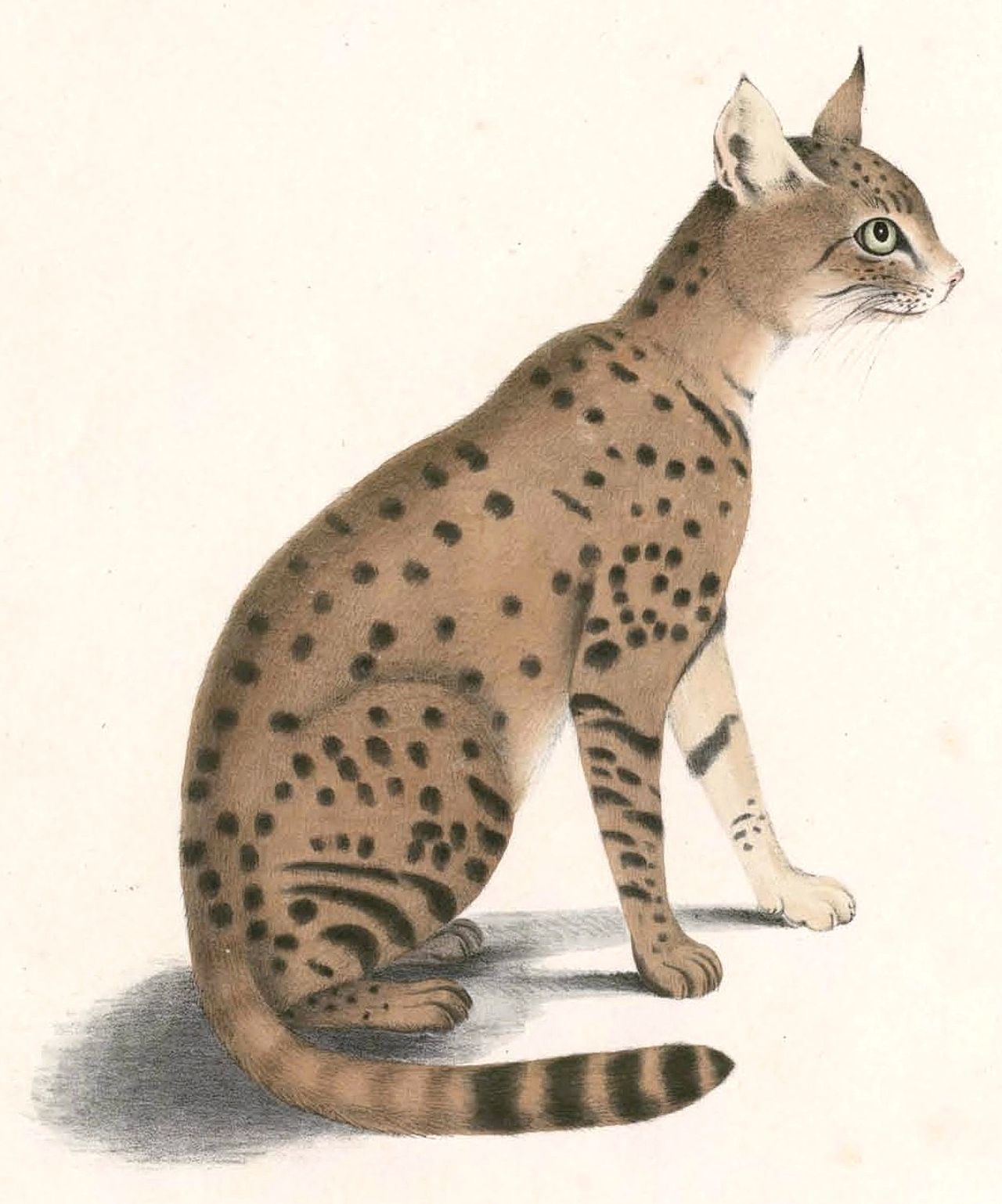


Appearance and distinguishing features
Asiatic wildcats have a pale sandy to yellowish background coat marked with dark spots or broken stripes. The tail typically shows several dark rings and a dark tip. Compared with many domestic breeds, the Asiatic wildcat tends to have a more streamlined body, a relatively narrower face and ears set to detect subtle sounds from prey. Coat patterns vary geographically and between individuals, and visual identification can be difficult where feral cats are present.
Range and habitat
This subspecies occurs across portions of Central Asia and South Asia, occupying steppe, desert edge, thorn scrub and cultivated country where prey is available. Notable localities include arid regions such as the Thar Desert and the Rann of Kutch. Populations are typically fragmented and tied to areas that support small mammals and ground‑dwelling birds.
Behavior, diet and reproduction
Asiatic wildcats are primarily nocturnal or crepuscular, solitary hunters that rely on stealth to catch rodents, small hares, birds and reptiles. They hunt from low cover or by short chases rather than long pursuits. Breeding season and litter size broadly resemble those of other small Felis cats: females produce litters of several kittens after a gestation period comparable to domestic cats.
Conservation and human interactions
Across parts of its range the Asiatic wildcat faces pressure from habitat conversion, reduction of natural prey, persecution and collisions with vehicles. A significant conservation concern is hybridization with feral and free‑ranging domestic cats, which can blur genetic distinctiveness and complicate protection efforts. Local assessments and conservation measures vary; management commonly includes habitat protection, reducing feral cat numbers near wild populations, and monitoring.
Notable facts and distinctions
- Taxonomy: treated as a subspecies of Felis silvestris; taxonomic and genetic research continues to refine relationships among wildcats and domestic cats.
- Identification challenges: overlap with feral cats and regional variability in coat pattern make field identification uncertain without careful observation or genetic tests.
- Ecological role: an important small predator that helps regulate rodent populations in arid landscapes.
Related articles
Author
AlegsaOnline.com Asiatic wildcat (Felis silvestris ornata) Leandro Alegsa
URL: https://en.alegsaonline.com/art/6628
Sources
- iucnredlist.org : "Felis silvestris"