
Werewolf (Lycanthropy): Myth, History, and Cultural Significance
Overview of the werewolf: names and etymology, common motifs and triggers, major myths like Lycaon, variations in folklore and fiction, cultural roles, and the psychiatric term clinical lycanthropy.
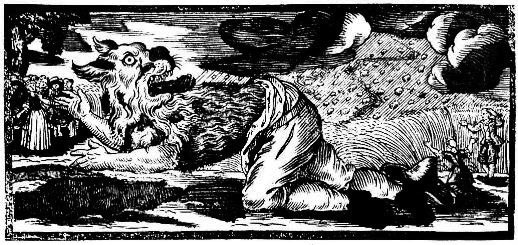
Werewolves are legendary human–wolf shapeshifters found in folklore and modern fiction. The condition is commonly called lycanthropy, a term of Greek origin meaning "wolf-man." Traditions vary: some tales describe a full physical change into a wolf, others a partial or hybrid form. Causes in stories include curses, magical rites, an inherited condition, or contagion by bite or scratch. In many popular accounts a transformation is tied to a lunar cycle, most famously the full moon, a motif that became widespread through modern literature and cinema.
Image gallery
9 Images





Names and etymology
The English word "werewolf" derives from Old English elements meaning "man" (wer) and "wolf" (wulf). The Greek-derived term lycanthropy and the informal "lycan" are also used, especially in literature and role-playing genres. These names reflect a long-standing human effort to name and categorize a being that crosses the boundary between human and animal.
Folklore, common motifs, and variation
Folkloric descriptions differ by region and period. Recurring features include increased strength and senses, aggressive or pack-oriented behavior, and altered appearance (notably eyes and teeth). Some accounts emphasize that the human mind remains to some degree; others portray the transformed figure as entirely animalistic. Means of becoming a werewolf range from wearing a wolf-skin or magical garment to being cursed, punished by a deity, or infected by another werewolf.
- Typical triggers recorded in stories: lunar phases, spells, or the will of supernatural agents.
- Signs in human form may include illness, mood changes, or unusual wounds.
- Modern fiction often gives werewolves specific vulnerabilities, such as susceptibility to silver, though such details are not universal across traditions.
Origins and classical antecedents
Stories of human-to-wolf transformation appear in antiquity. A well-known classical account retold in Ovid's Metamorphoses tells of a ruler transformed as punishment after a transgression. The Greek root of lycanthropy recalls such myths. Similar motifs—punishment for impiety, transgression involving taboo food, or tests of hospitality—appear in several foundational tales and help explain why metamorphosis was used as moral or cautionary metaphor.
Cultural role and historical responses
In medieval and early modern Europe reports of werewolves sometimes intersected with witch trials, legal prosecutions, and community panics. Accused individuals could be tried for violent acts allegedly committed in wolf form, and these cases reveal how social fears about violence, outsiders, and disorder could be expressed through lycanthropic allegations. Folklorists also note comparable shapeshifter traditions worldwide—humans taking the form of other predators—used to address local anxieties.
Modern fiction and symbolism
Contemporary literature, film, and games use werewolves to explore themes of identity, repression, adolescence, and the tension between social order and primal instinct. The full-moon transformation and the silver weakness are staples of 20th- and 21st-century popular culture, while some works portray werewolves sympathetically, as individuals struggling with an involuntary and stigmatized condition.
Clinical and scholarly perspectives
In psychiatry, "clinical lycanthropy" refers to a rare delusional belief that one is transforming into an animal; it is a symptom, not a mythic condition, and appears in the context of psychotic disorders. Scholars approach werewolf tales through folklore studies, history, and cultural analysis to trace how motifs change over time and what they reveal about changing fears, legal practices, and moral frameworks.
Comparisons, motifs, and further reading
Werewolves are often contrasted with vampires and witches: protections and remedies differ across traditions, and spiritual or holy objects that repel one class of supernatural creature may be ineffective against another. For general context see entries about the human condition and the natural behavior of the wolf. Foundational myths occasionally invoke taboo actions such as cannibalism to explain punitive transformations. For literary and classical source study, consult editions and translations of ancient works alongside modern analyses of myth and folklore like those that reference Ovid.
Whether treated as horror, psychological metaphor, or cultural history, the werewolf endures as a potent symbol of the boundary between civilization and the wild, and the ambiguous line between human reason and animal impulse.
Questions and answers
Q: What are werewolves?
A: Werewolves are mythical creatures that can hide their ears and tail. They are a human but also a wolf, and most people fear them because of how they look.
Q: How do you tell the difference between werewolves and real wolves?
A: There are characteristics that make werewolves special, such as their eyes, shape, and tail which allow someone to tell them apart from real wolves.
Q: What do werewolves look like in human form?
A: When in human form, werewolves look and act like any normal human being, although they usually appear to be ill around nights when there is a full moon.
Q: What happens when a werewolf dies?
A: When a werewolf dies it turns back into a human.
Q: Where does the name "werewolf" come from?
A: The name is derived from "wer" meaning man and "wulf" meaning wolf. They are sometimes referred to as 'Lycans'.
Q: What is Lycanthropy?
A: Lycanthropy is an ancient Greek myth about King Lycaeon who was changed into a Werewolf by gods after he served them tainted food at his banquet of honor. The word originates from Greek roots (Lykoi meaning wolf and anthropos meaning man).
Q: Can silver bullets kill werewolves?
A: Depending on the fiction or legend, a werewolf can be killed by a silver bullet. However, crosses or holy water will not work on them like vampires in similar legends.
Related articles
Author
AlegsaOnline.com Werewolf (Lycanthropy): Myth, History, and Cultural Significance Leandro Alegsa
URL: https://en.alegsaonline.com/art/107290
Sources
- commons.wikimedia.org : Werewolf