
Mockingbird
A group of New World songbirds (family Mimidae) known for their vocal mimicry, varied repertoires, territorial behavior, and roles in ecosystems and culture.
The term mockingbird refers to a group of passerine birds in the family Mimidae notable for their complex songs and frequent imitation of other sounds. These birds are native to the New World and are broadly classified among passerines and songbirds. Observers most often recognize them by long tails, plain gray or brown plumage, and a tendency to sing loudly and persistently from exposed perches.
Image gallery
4 Images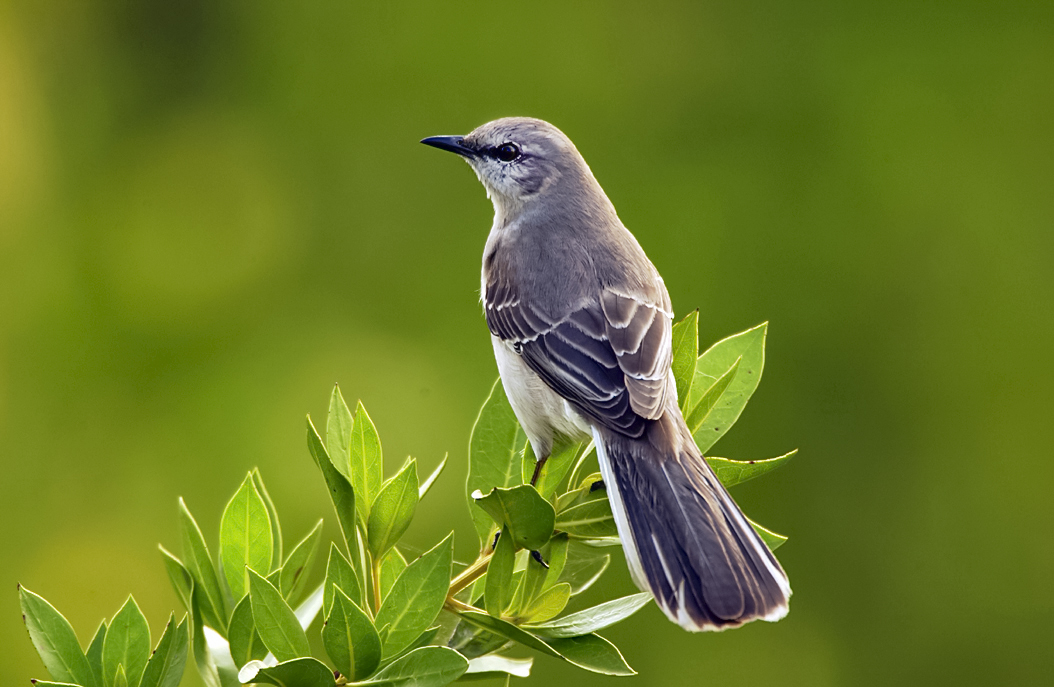


Description and behaviour
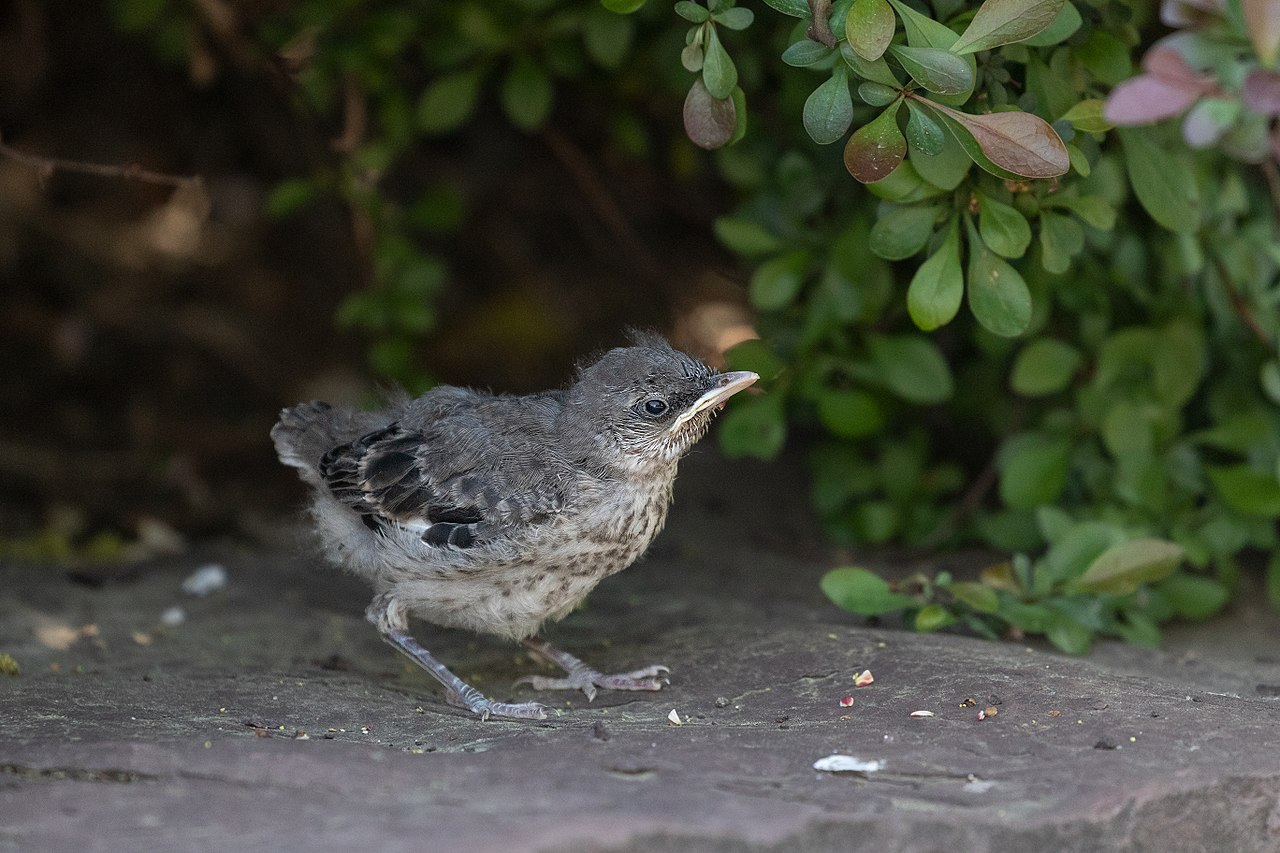
Mockingbirds are medium-sized, slender birds with a straight, fine bill adapted for an omnivorous diet. They eat insects, fruits and seeds, and will also take small lizards or other prey opportunistically. Many species are highly territorial during the breeding season and will vocalize or physically defend an area around their nest. Nests are cup-shaped and situated in shrubs or trees; both parents may help feed and rear the young.
- Key characteristics: long tail, muted plumage, strong voice, and agile movements.
- Feeding: insects, fruits, and seeds; ground foraging is common.
- Reproduction: cup nests, multiple broods in warm climates.
Vocal mimicry and song
Mockingbirds are particularly renowned for imitating a wide range of sounds: other bird songs, insects, amphibians and even mechanical noises. This mimicry can be used in courtship, territory defense, or to increase the apparent size of a bird community. Individual repertoires can be large and varied; some well-studied species include dozens to potentially hundreds of distinct elements. Researchers study these patterns to learn about learning, memory and the function of song in social interactions.
Taxonomy and history
Traditionally there are about 17 species placed in three genera (for example, Mimus and related genera). The family placement is Mimidae. Mockingbirds have figured into scientific history as well: naturalists in the 19th century noted geographic variation among island and mainland forms, contributing to early ideas about evolution and speciation.
Ecology, significance and distinctions
Ecologically, mockingbirds act as insect predators and seed dispersers, influencing local food webs. They are sometimes considered indicators of habitat quality because of their sensitivity to disturbance and dependence on shrubs and open woodlands. In culture and literature they appear as symbols of song, innocence or resilience; a few species are familiar in gardens and urban areas and have developed close associations with people.
Mockingbirds are related to thrashers and catbirds but are distinguished by different song styles and morphological cues. For more general overviews on passerine classification and vocal behavior see related resources and regional bird guides. For taxonomic details and species lists consult specialist treatments and field references at regional ornithology pages, passerine databases, and other authoritative compilations such as songbird studies.
Related articles
Author
AlegsaOnline.com Mockingbird Leandro Alegsa
URL: https://en.alegsaonline.com/art/65687
Sources
- 10000birds.com : 10000birds.com
- findarticles.com : Molecular systematics and biogeography of Antillean thrashers, tremblers, and mockingbirds (Aves: Mimidae)
- dx.doi.org : 10.1111/j.0908-8857.2004.03233.x