
Herman Melville
American novelist, short story writer, essayist and poet (1819–1891), best known for Moby-Dick and for transforming seafaring experience into complex, symbolic fiction.
Overview
Herman Melville (August 1, 1819 – September 28, 1891) was an American novelist, short story writer, essayist and poet. He turned his years at sea and his encounters in the South Pacific into fiction that blends adventure with philosophical inquiry. His best-known work is the sprawling sea novel Moby-Dick, which has become a central text in American literature.
Image gallery
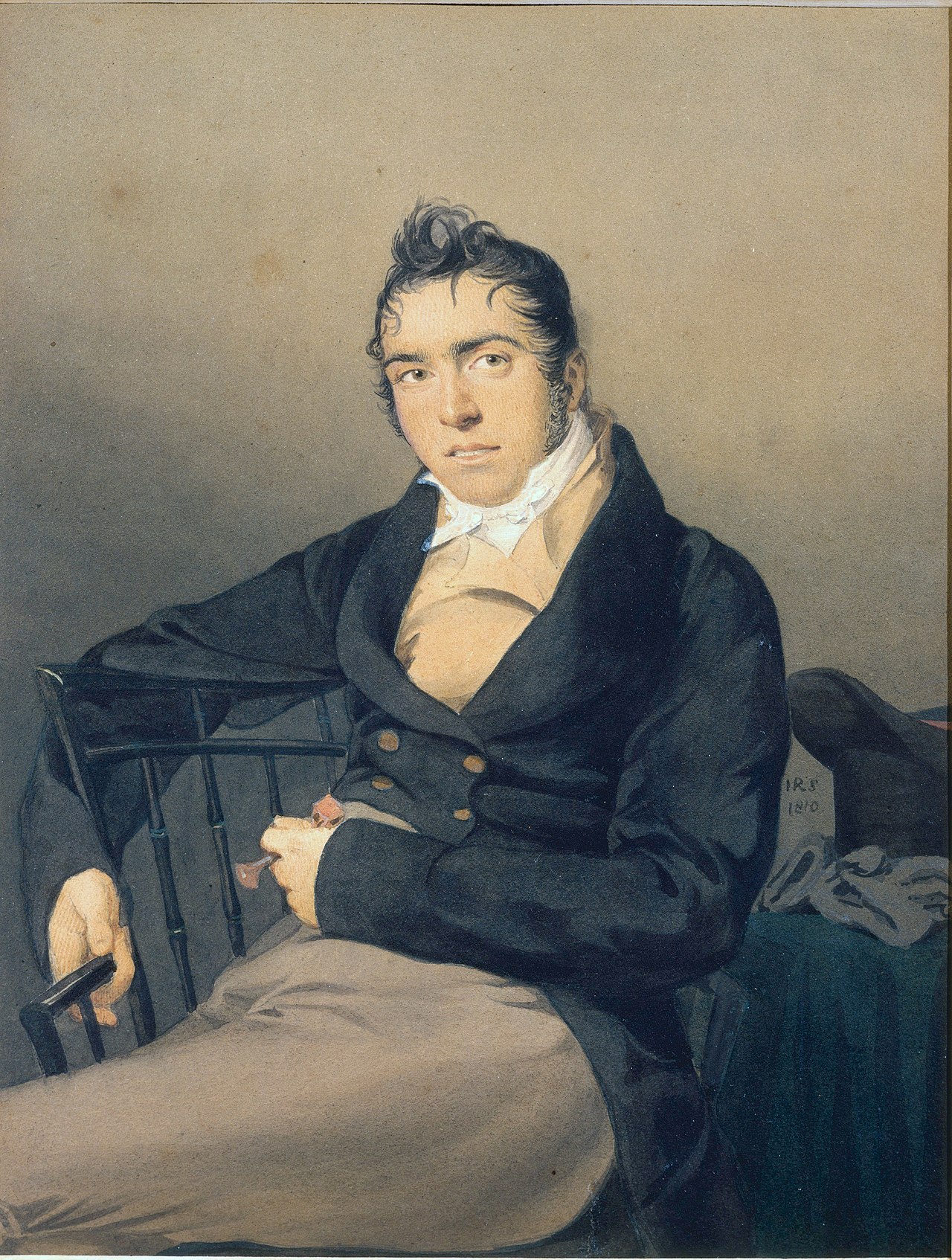
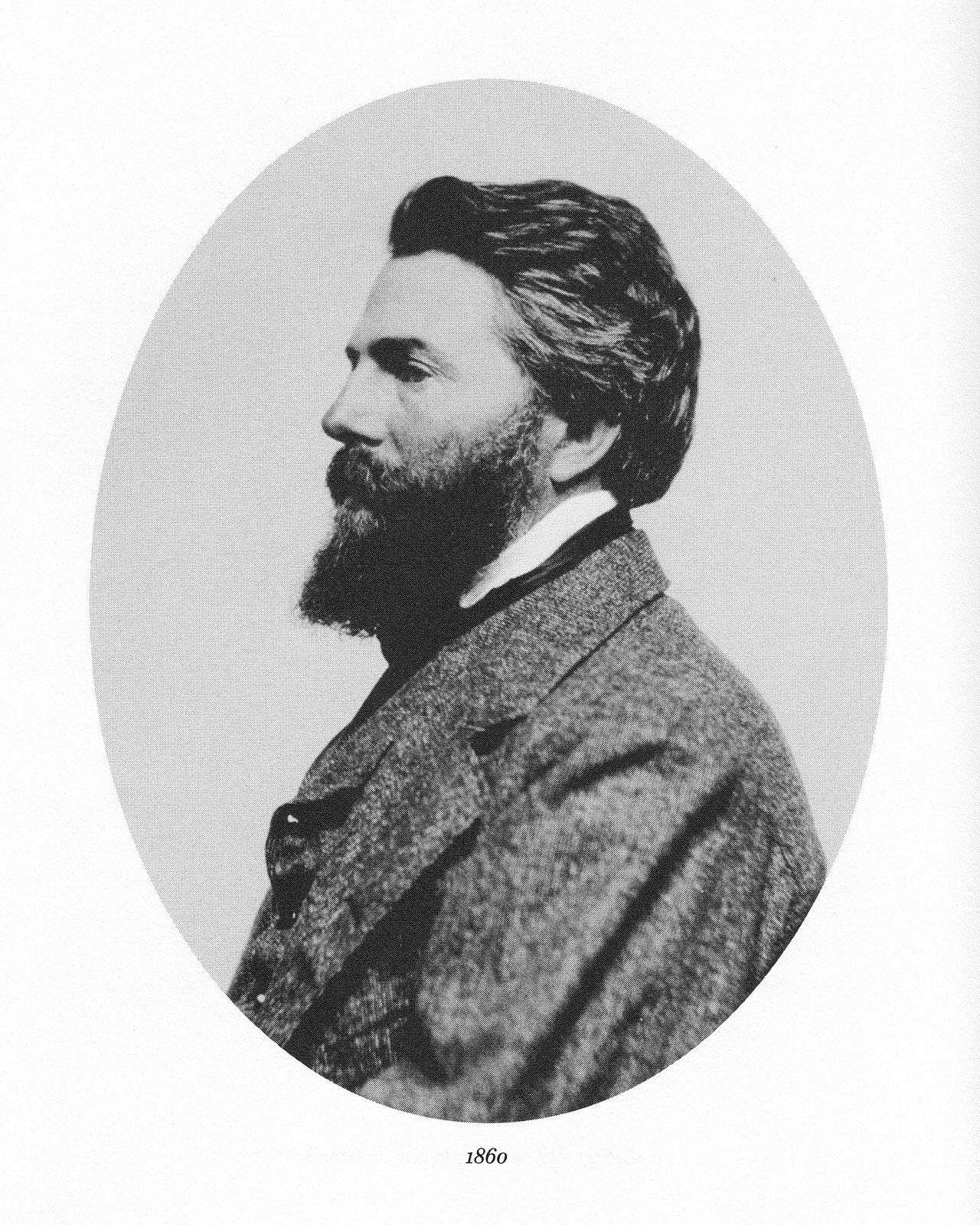
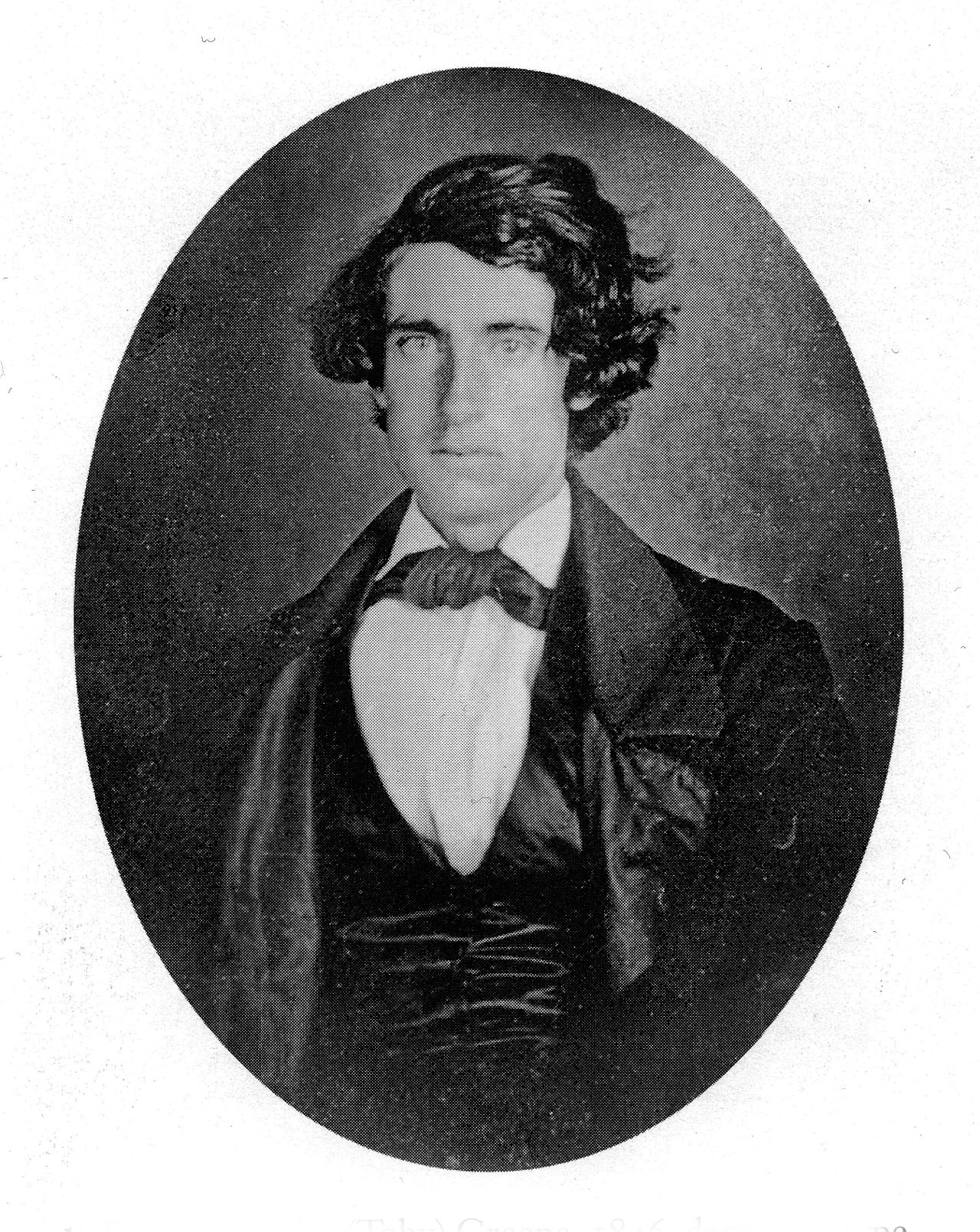
10 Images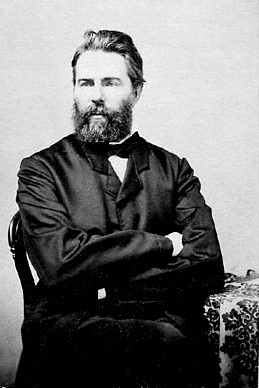





Life and influences
Born in New York City to a merchant family, Melville left formal schooling early and went to sea as a young man. Voyages on merchant ships and a whaler provided raw material for his early books and gave him direct knowledge of whaling life, foreign ports and Pacific island cultures. Those experiences shaped his realistic descriptions and informed the moral and cultural questions he explored in fiction.
Style and themes
Melville's writing is notable for its mixture of adventure narrative and philosophical reflection. He frequently used biblical and classical allusions, dense symbolism and shifts in voice and form. Recurring themes include obsession, the limits of human knowledge, the natural world’s indifference, and conflicts between individuality and society.
Major works
- Early travel-based novels such as Typee and Omoo, drawn from Pacific voyages.
- The ambitious Moby-Dick, which combines whaling narrative with extended meditations and allegory.
- Later and shorter works, including stories and poetry; the drama of the sea also surfaces in pieces like Billy Budd (published posthumously).
Reception and legacy
During his lifetime Melville achieved only mixed commercial success and critical reception varied. In the 20th century scholars and critics reassessed his work, recognizing its formal innovation and philosophical depth. Today he is regarded as a major figure in American letters whose works are studied for their narrative complexity and moral ambition.
Notable facts
While often categorized with other 19th-century American writers, Melville's voice is distinctive for the way it blends travel narrative, realism, and metaphysical speculation. His books remain a frequent subject of literary study and adaptations, and passages from his work continue to be widely quoted and analyzed.
Related articles
Author
AlegsaOnline.com Herman Melville Leandro Alegsa
URL: https://en.alegsaonline.com/art/43794
Sources
- britannica.com : "Herman Melville | Books, Facts, & Biography"