
Revenge: motives, forms, history, and social effects
Revenge (vengeance, retribution) is a response to perceived harm. This article surveys motives, cultural history, risks, legal and moral debates, common forms, and alternatives such as restorative justice.
Revenge, also called vengeance, retribution, payback or retaliation, is an action taken to harm or punish someone believed to have caused injury or insult. The impulse can arise from real or perceived slights; responses to an insult may range from a verbal retort to prolonged campaigns of retaliation. While the term often implies a private, emotion-driven response, it overlaps with social ideas of justice and deterrence.
Image gallery
5 Images


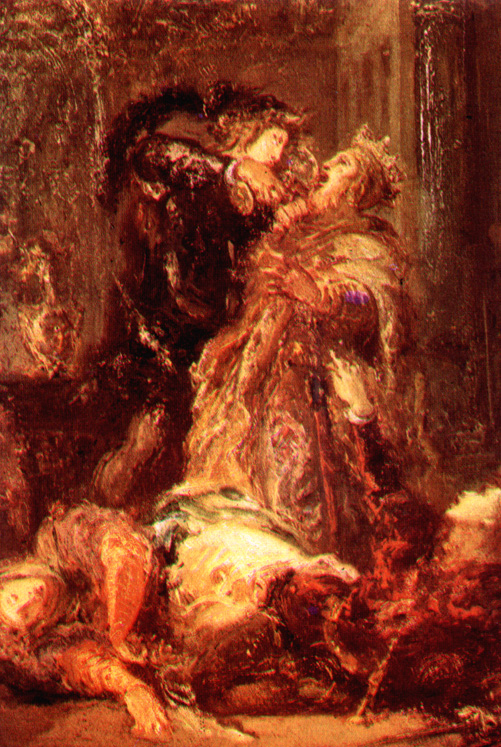
Characteristics and common forms
Revenge is typically motivated by anger, a desire to restore one’s status, or a sense of fairness. It can be individual or collective, immediate or delayed, proportionate or excessive. Common forms include personal confrontation, social shaming, property damage, legal countermeasures framed as retribution, and long-standing feuds. Some nonhuman primates have been observed attempting retaliation for theft, suggesting an evolutionary basis for retaliatory behaviour; for example, field studies have recorded chimpanzees reacting against food thieves in the wild.
Historical and cultural context
Across history many societies relied on private revenge where kin or community enforced penalties, producing practices described as vendettas or blood feuds. Over time most states developed legal systems that claim the monopoly on punishment, a shift discussed by legal scholars. Philosophers and ethicists have debated whether revenge can be morally justified; poets and playwrights have explored its human consequences in literature and drama, and contemporary poetry and theatre continue to examine its costs.
Consequences, risks and alternatives
Revenge can produce cycles of escalation that harm individuals and communities, undermining trust and legal order. Psychologists study motives and outcomes of retaliatory acts to understand when revenge reduces or increases future conflict; some research considers how perceived injustice and shame fuel retaliation and how forgiveness can interrupt the cycle (psychologists have written extensively on these dynamics). Alternatives to private revenge include mediation, restitution, and restorative justice programs that focus on repair rather than punishment.
- Common consequences: escalation, legal penalties, social isolation.
- Nonviolent alternatives: apology, compensation, community reconciliation.
- Institutional responses: prosecution, regulatory sanctions, truth commissions.
In modern contexts revenge may take novel forms such as online harassment, doxxing, or strategic litigation. Distinctions matter: legal retribution is administered by institutions claiming impartiality, whereas revenge is typically personal and emotionally driven. Understanding those differences helps societies reduce harm while addressing real grievances.
Because the topic intersects psychology, law, ethics and culture, further reading can be found in academic reviews, legal histories, and literary studies. For introductions and resources see works that survey psychological findings, legal responses, and cultural portrayals of revenge so readers can compare perspectives across disciplines.
For varied perspectives consult sources in psychology, law and the arts: definitions and examples, research summaries, legal analyses, poetic treatments, dramatic works, and primate studies cited in ethology.
Questions and answers
Q: What is revenge?
A: Revenge is doing something to hurt another person because they believe that person hurt them. It is also called vengeance, vendetta, payback, retribution or retaliation.
Q: How old is the concept of revenge?
A: Vengeance is as old as people are.
Q: Have scientists studied revenge?
A: Yes, psychologists, philosophers, legal scholars, poets, playwrights and others have examined revenge.
Q: What do anthropologists say about revenge?
A: Anthropologists have discovered chimpanzees will try to get revenge on thieves who steal their food.
Q: Can revenge be triggered by perceived insults?
A: Yes, revenge can be doing something to get even for an insult, real or perceived.
Q: Are there alternative terms for revenge?
A: Yes, revenge is also called vengeance, vendetta, payback, retribution or retaliation.
Q: Is revenge a natural urge?
A: Yes, revenge is a natural urge.
Author
AlegsaOnline.com Revenge: motives, forms, history, and social effects Leandro Alegsa
URL: https://en.alegsaonline.com/art/82396
Sources
- nytimes.com : "Calculating Economics of an Eye for an Eye"
- psychologicalscience.org : "The Complicated Psychology of Revenge"
- huffingtonpost.com : "Revenge: The Act of Getting Even"
- nonviolenceandsocialjustice.org : "Reflections on the Desire for Revenge"
- secasa.com.au : "Trauma responses in children"