
Moab — ancient kingdom and region east of the Dead Sea
Moab was an ancient kingdom and geographic region east of the Dead Sea in modern Jordan, known from biblical accounts, inscriptions such as the Mesha Stele, and archaeological remains around Dibon.
Moab is the traditional name for a historical territory on the eastern shore of the Dead Sea in what is today central Jordan. The name appears in ancient sources and in the Hebrew Bible; modern study of the region combines textual evidence with archaeological finds to reconstruct its society, language and relations with neighbouring polities. For a modern geographic reference see Jordan and for the terrain see mountainous descriptions; Moab occupied highlands rising from the Dead Sea toward the eastern plateau.
Image gallery
5 Images

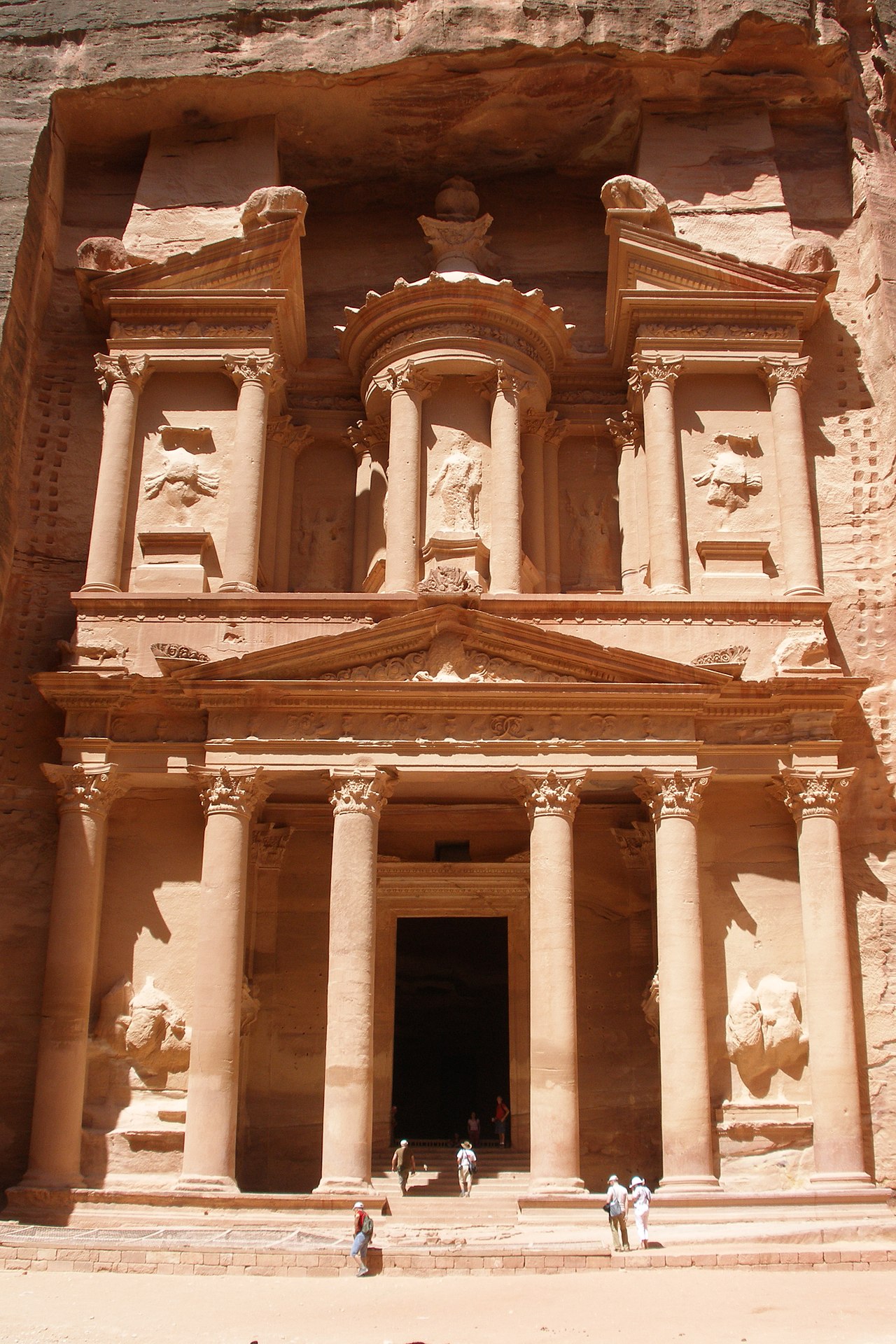


Overview and identity
In biblical tradition Moab is portrayed as the land of the Moabites, a people said to descend from Moab, a grandson of Lot. That ethnographic account appears in the ancient book of Genesis and is part of the narrative found in the Old Testament of the Bible. Archaeologically and epigraphically the Moabites are attested as a West Semitic group with their own dialect and inscriptions; their language is closely related to Hebrew and other Northwest Semitic tongues.
Territory, capital and material culture
Moab's core territory lay east of the Dead Sea on a series of limestone plateaus and hills. The principal city identified as the capital in several sources is Dibon (modern Dhiban), which served as a political and religious centre. Excavations in the area have revealed fortifications, temple remains and pottery typical of Iron Age Levantine cultures. Religious practice in Moab centred on local deities; inscriptions mention Chemosh as a chief god invoked by Moabite rulers.
History and inscriptions
Moab emerged in the first millennium BCE as a distinct kingdom that interacted frequently with the Israelite polities to the west — sometimes in conflict, sometimes in alliance. One of the most important archaeological documents is the Mesha Stele, an inscribed monument erected by a Moabite king that records building works and military campaigns; it provides an independent Moabite perspective on events also described in Israelite texts. Scholars use such inscriptions, together with other archaeological discoveries, to trace Moab's political history and its relations with neighbouring states.
Moab in the Bible and cultural memory
Biblical narratives refer repeatedly to Moab both as an enemy and as a people with familial connections to Israel. Several stories highlight the ambiguous relationship across the Jordan Rift: episodes of warfare, treaties, and intermarriage. The Book of Ruth offers a notable example of a Moabite woman's positive integration into Israelite lineage; Ruth is presented as a foreign-born ancestor of King David, an image that has influenced later interpretations. Biblical passages mention Moabite interactions with Israelite neighbours and provide narrative frameworks that complement the epigraphic record.
Archaeological importance and legacy
Moab is significant to historians and archaeologists because it offers a well-documented case of a small Iron Age Levantine kingdom visible in both its own inscriptions and in the literature of other peoples. Excavations around Dibon and other sites have yielded urban remains, ceramics, and inscriptions that illuminate language, religion, and administration. Modern exploration of Moab continues to refine chronologies and to clarify how local rulers navigated pressures from larger states. For general background and starting points for further reading see biblical studies and regional surveys (Jordan, Dead Sea).
Key points and distinctions
- Moab refers to both a geographic region and an Iron Age kingdom east of the Dead Sea.
- The capital commonly associated with Moab is Dibon (Dhiban), an important archaeological site.
- Primary evidence includes biblical accounts, the Mesha Stele, and regional excavation reports.
- Moabite language and religion were closely related to other Northwest Semitic cultures; Chemosh is the best-known Moabite deity.
- Do not confuse ancient Moab with unrelated modern place names such as Moab in other countries.
For additional context and maps consult specialist introductions and regional archaeological summaries referenced in academic and public resources: see overview entries and archaeological syntheses at ancient surveys and historic compendia (terrain, scriptural perspectives).
Related articles
Author
AlegsaOnline.com Moab — ancient kingdom and region east of the Dead Sea Leandro Alegsa
URL: https://en.alegsaonline.com/art/65651