
Biblical manuscript
A handwritten copy of some or all of the Bible in various languages and formats. Manuscripts are primary witnesses for the text, its transmission, scribal practices, and historical usage.
Overview
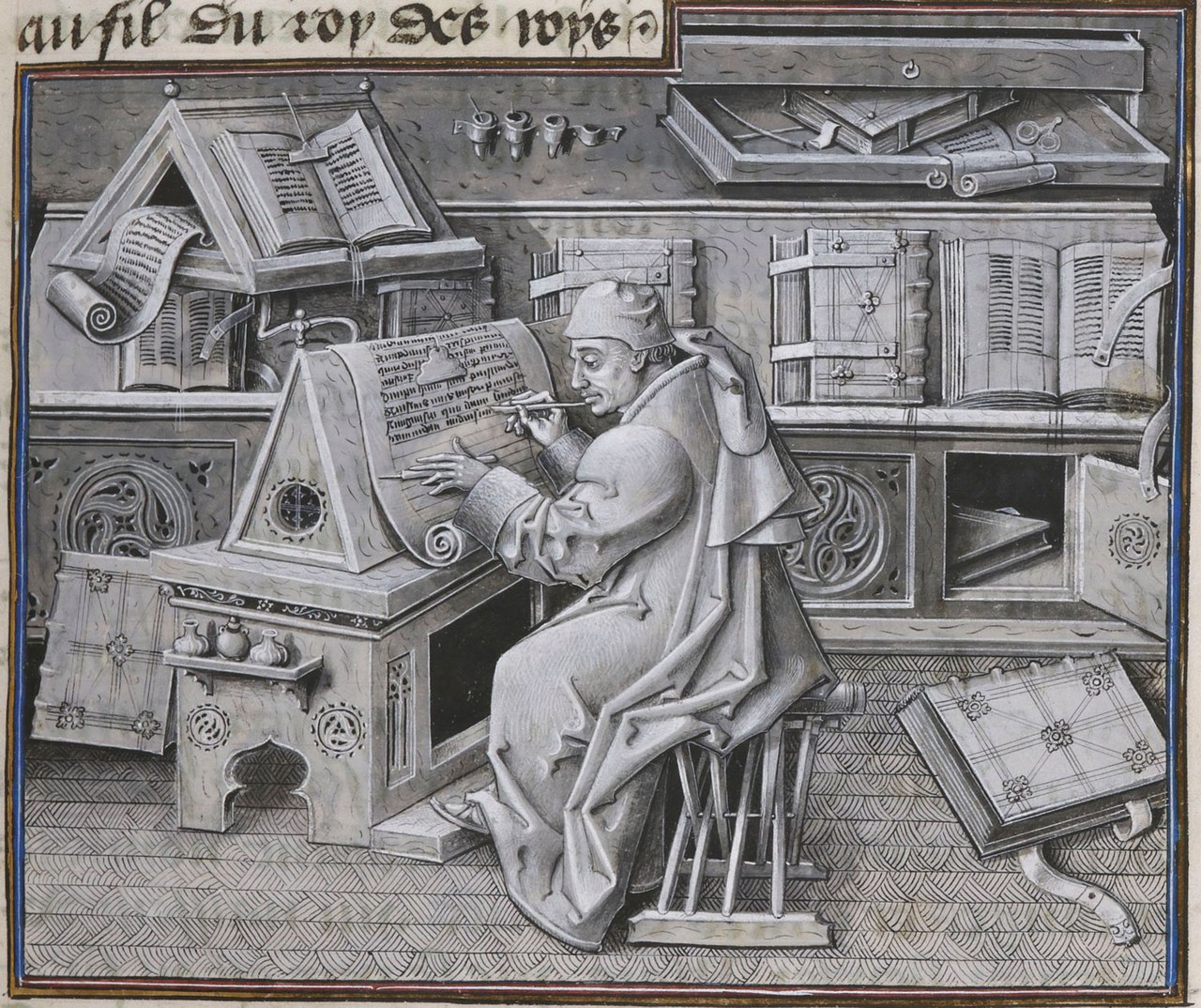
A biblical manuscript is any hand-written copy of a portion or the whole of the Bible, preserved in many languages and scripts. These manuscripts range from single-verse fragments to large codices that bring together different parts of scripture. They are primary witnesses for the content of the Bible and for how the text was read, copied and used in religious communities over time.
Image gallery
10 Images



Materials, formats and scripts
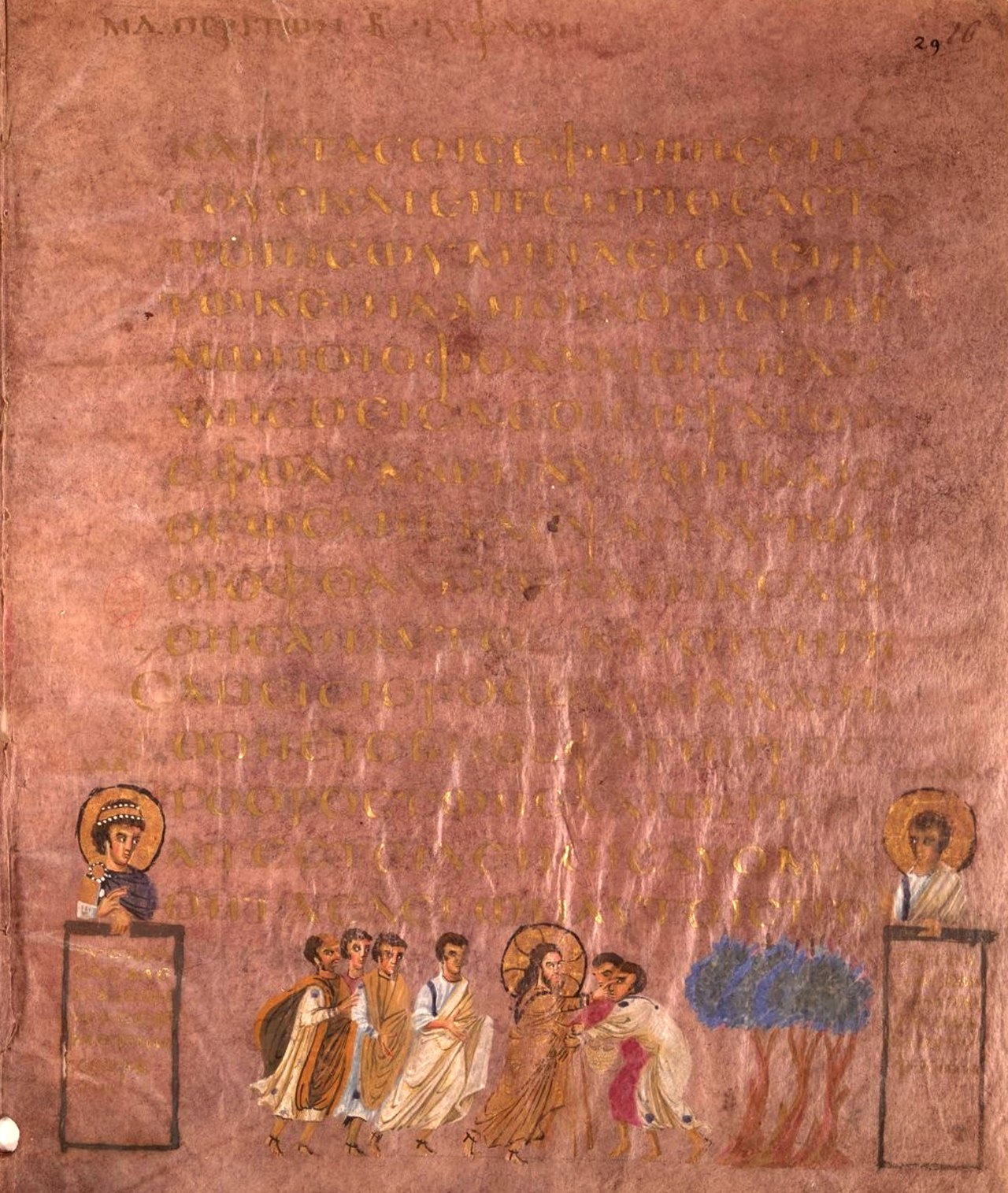
Manuscripts were produced on materials such as papyrus, parchment (prepared animal skin), and later paper. Two principal physical formats appear: the scroll, common in earlier Jewish practice, and the codex (book-like gatherings) which became dominant for Christian texts. Scripts evolved from uncial (large, separate letters) to minuscule (smaller, connected handwriting) and different language traditions use distinct alphabets—Hebrew, Greek, Latin, Coptic, Syriac and others.
Major examples and chronological range
The surviving corpus spans from several centuries BCE into the medieval period. Important finds include ancient Hebrew biblical fragments and the communal manuscripts from Qumran, early Greek papyri of New Testament books, and large medieval codices that preserve full Bibles or large sections. Some codices combine multiple traditions, for example collections that contain both the Hebrew Bible and the New Testament alongside translations or commentaries, while others preserve other religious and scholarly texts in the same volume.
Scribal practice and textual features
Scribes used conventions such as nomina sacra (abbreviated sacred names), paragraph markers, punctuation and diacritical signs where applicable. Marginal notes, corrections, and variant readings reveal how the text was copied and corrected. Differences among manuscripts—additions, omissions, word order changes—are studied to trace lines of transmission and to understand the history of interpretation.
Uses and significance
Biblical manuscripts serve multiple roles: they are objects of worship and instruction, witnesses for reconstructing an original or earliest attainable text, and sources for the history of languages, liturgy and bookmaking. Textual critics collate manuscripts to produce critical editions; historians use them to study religious practice and doctrinal development.
Study and preservation
Disciplines such as palaeography (handwriting dating), codicology (study of the book), conservation and digital imaging are central to preserving and analyzing manuscripts. Modern projects aim to photograph, transcribe and publish manuscripts so scholars and the public can explore variant readings and the physical evidence of transmission without risking further damage to the originals.
- Common manuscript kinds: fragments, lectionaries (liturgical selections), full codices, bilingual or polyglot manuscripts.
- Key investigative methods: collation, stemmatics, radiocarbon dating and multispectral imaging.
Related articles
Author
AlegsaOnline.com Biblical manuscript Leandro Alegsa
URL: https://en.alegsaonline.com/art/11242
Sources
- worldinvisible.com : "The Last Thirty Years"