
Mixed forest (temperate): structure, ecology, and human uses
A mixed forest is a woodland with both deciduous and coniferous trees. This article explains its layers, species composition, ecological roles, human uses, threats, and distinctions from pure stands.
Overview
A mixed forest is a type of woodland where broadleaf (deciduous) and needle‑leaf (coniferous) trees coexist within the same ecosystem. These forests are most common in temperate, humid regions of the world and form important transitional zones between pure deciduous and pure coniferous forests. Mixed forests vary widely in appearance and composition depending on climate, soils, disturbance history and management.
Image gallery
1 Image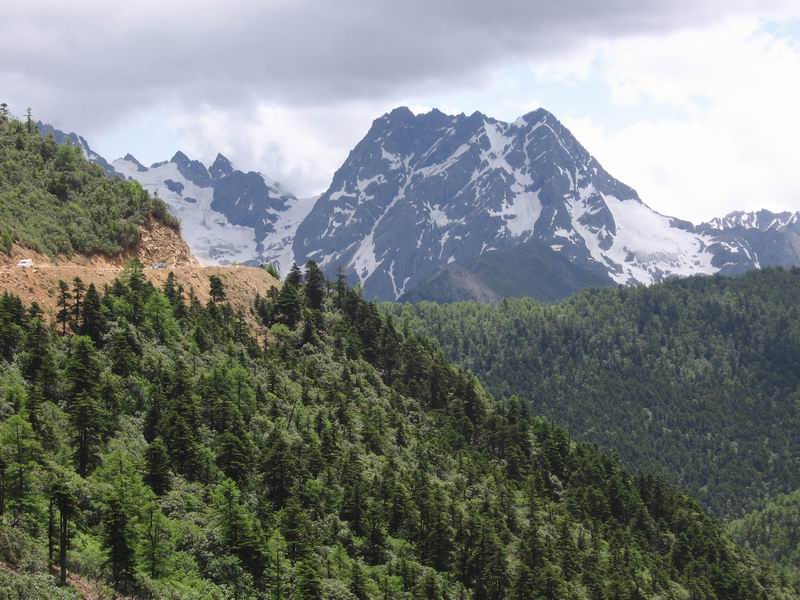
Vertical structure and layers
One defining feature of many mixed forests is their multi‑layered vertical structure, which creates diverse habitats and microclimates. From top to bottom these layers commonly include:
- Canopy: tall, mature trees that capture most of the light and shape the forest microclimate. Canopy height can vary widely with species and site conditions.
- Sub‑canopy and saplings: smaller mature trees and juvenile individuals that await openings in the canopy to grow taller.
- Shrub layer: woody understory plants and young trees that persist beneath the canopy. For more on shrub dynamics, see shrub layer.
- Herbaceous and ground layer: a rich mixture of ferns, forbs, grasses, mosses and seedlings that often supports the greatest species diversity; further information on ground cover diversity is available at ground layer diversity.
Species composition and geographic distribution
Mixed forests typically combine species such as oak, maple, beech and birch with conifers like pine, fir, spruce or hemlock. The exact mix depends on latitude, elevation and local climate. Regions known for mixed temperate forests include parts of eastern North America, Europe and East Asia. These forests occupy a range of soil types and moisture regimes and often occur where climatic factors favor both deciduous and evergreen growth forms; they are discussed in the context of temperate humid biomes at temperate biomes.
Ecological roles and importance
Mixed forests provide high structural complexity that supports a wide variety of wildlife, from insects and understory birds to large mammals. The combination of tree types promotes year‑round habitat and food resources—for example, mast from oaks and seeds from conifers. Mixed stands can be more resilient to pests, disease and some disturbances because differing species respond in varied ways, reducing the risk of complete canopy loss.
Human uses, management and conservation
People have long relied on mixed forests for timber, fuelwood, non‑timber forest products and recreation. Sustainable management aims to balance wood production with biodiversity conservation, soil protection and watershed services. Practices include selective harvesting, retention of old trees, and active restoration where native mixed assemblages have been lost. Conservation measures focus on protecting large tracts, reducing fragmentation and maintaining natural disturbance regimes that favor species diversity.
Threats and notable distinctions
Key threats include conversion to agriculture or plantation forestry, intensive logging, invasive species, air pollution and climate change. Mixed forests differ from monocultural plantations or pure stands in their species richness, structural diversity and ecological functions. Where natural mixed forests have been replaced by single‑species stands, ecosystem services and wildlife habitat are often diminished.
Understanding and conserving mixed forests is important for maintaining regional biodiversity, supporting wood and non‑wood forest economies, and enhancing resilience to environmental change. For more detailed treatments of specific regions, silvicultural methods or species lists, consult specialized resources and regional forest inventories.
Related articles
Author
AlegsaOnline.com Mixed forest (temperate): structure, ecology, and human uses Leandro Alegsa
URL: https://en.alegsaonline.com/art/65605