
Biodiversity: the variety of life and why it matters
An overview of biodiversity: definitions, levels and metrics, its value to nature and people, main threats, and common approaches to conservation and monitoring.
Overview
Biodiversity is the variety of life in all its forms and at all levels of organization, from genes and species to ecosystems and the ecological processes that connect them. The term is used in science and policy to describe both the number of different organisms and the relationships among them, and to assess the capacity of natural systems to sustain functions and services.
Image gallery
10 Images




Levels and metrics
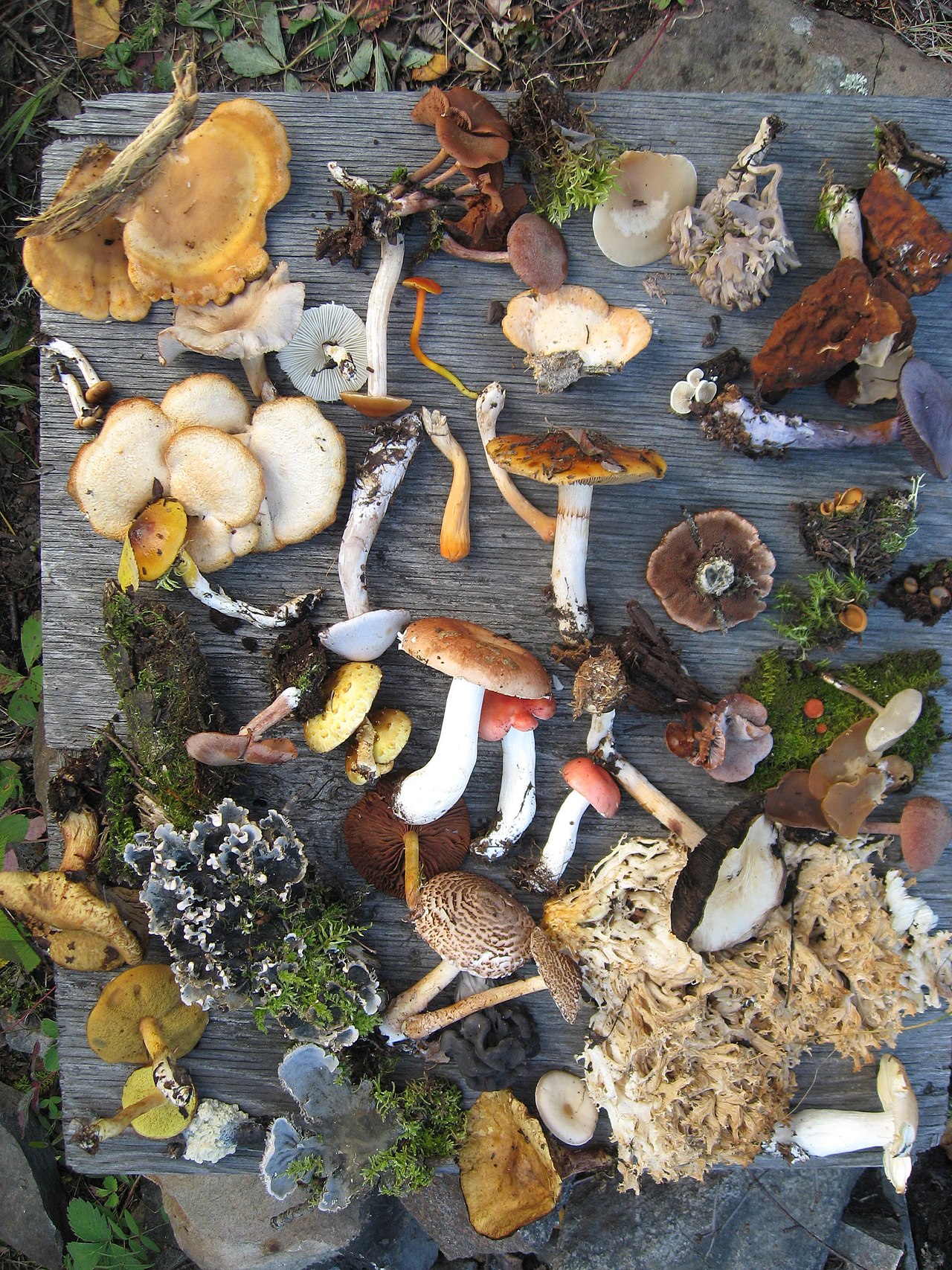
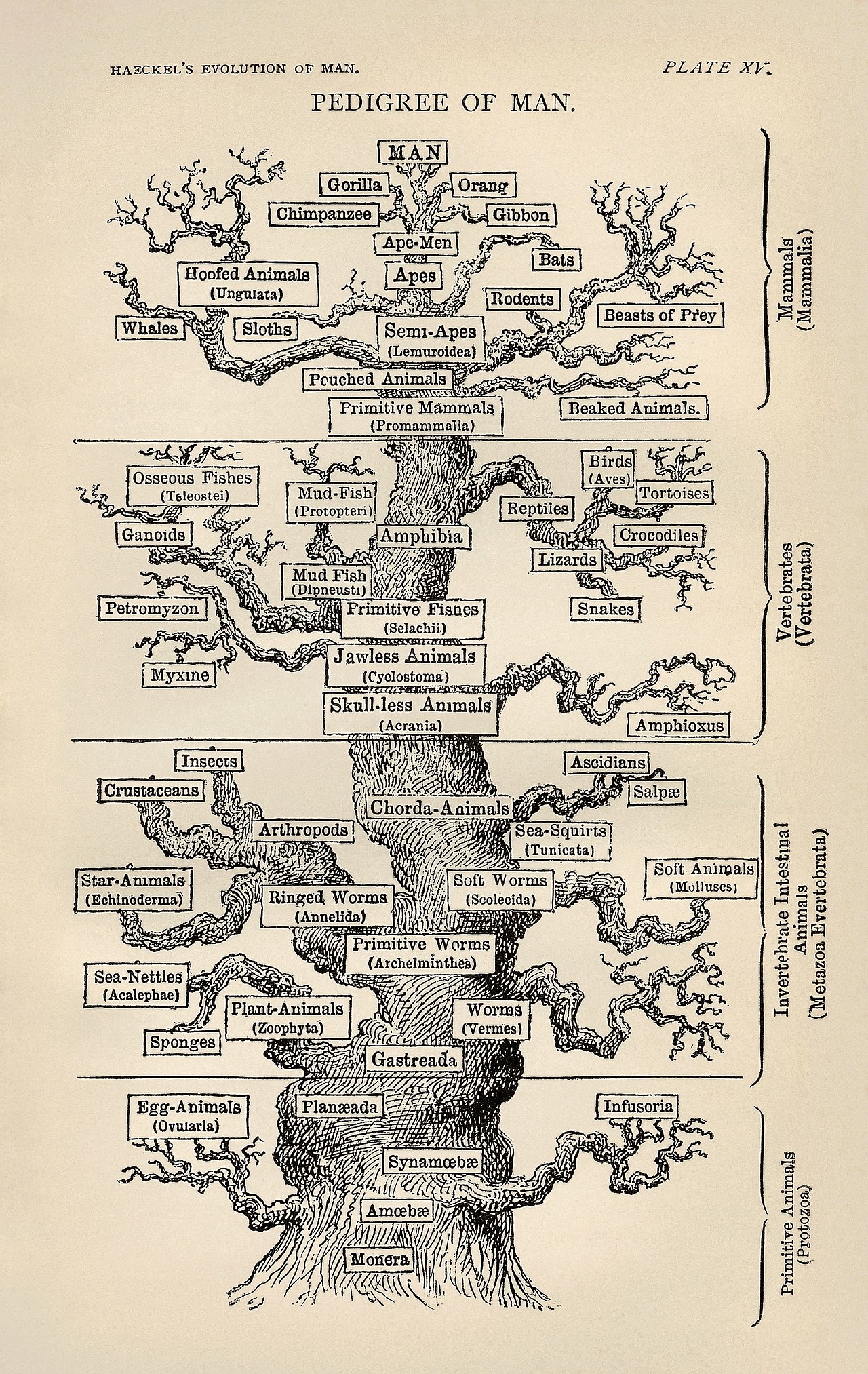
Biological diversity is commonly considered at three nested levels: genetic diversity (variation within species), species diversity (the number and relative abundance of species) and ecosystem diversity (the variety of habitats and communities). Ecologists also use concepts such as species richness, evenness and functional diversity, and measure patterns at different scales: alpha (local), beta (between sites) and gamma (regional) diversity.
Importance and ecosystem services
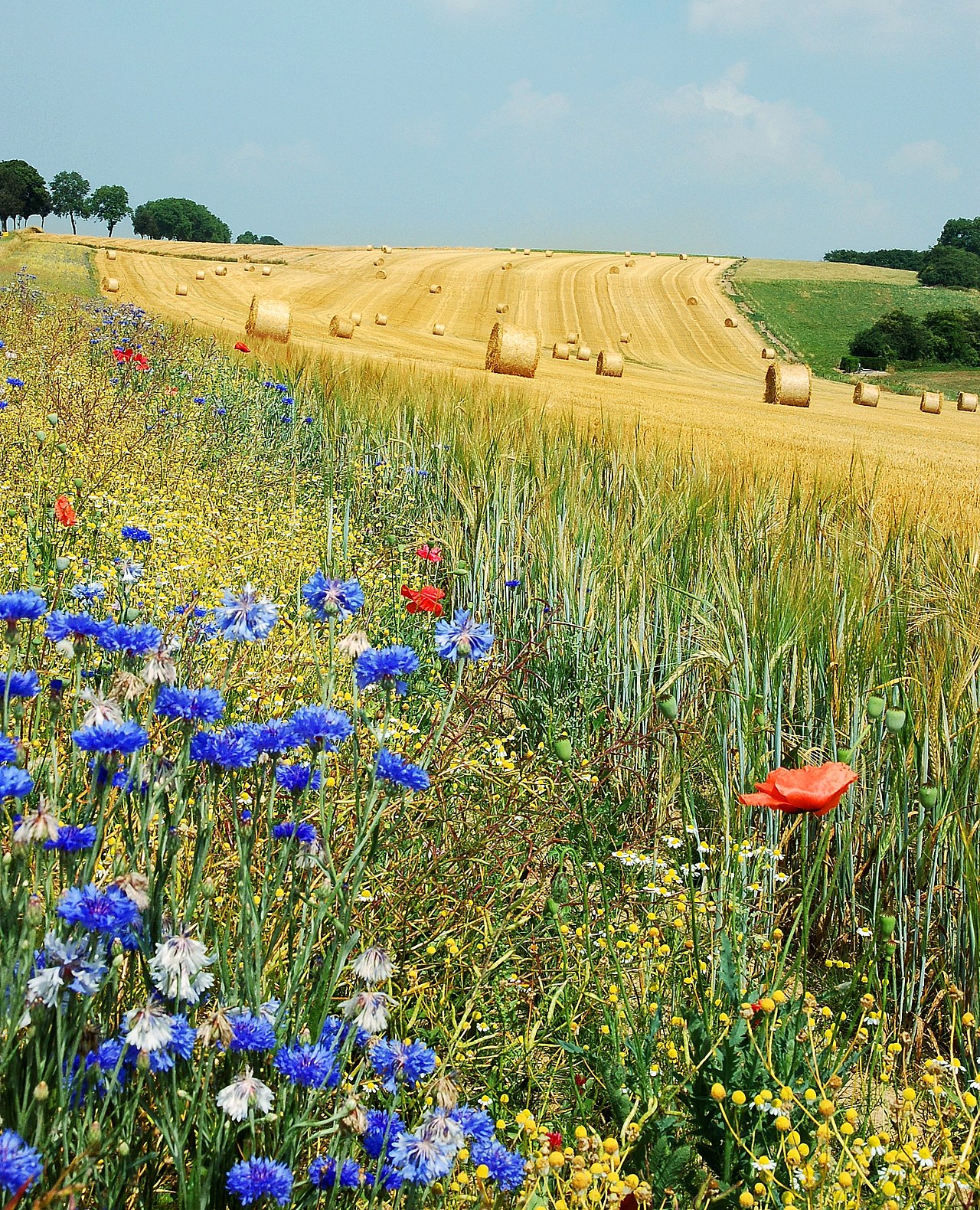
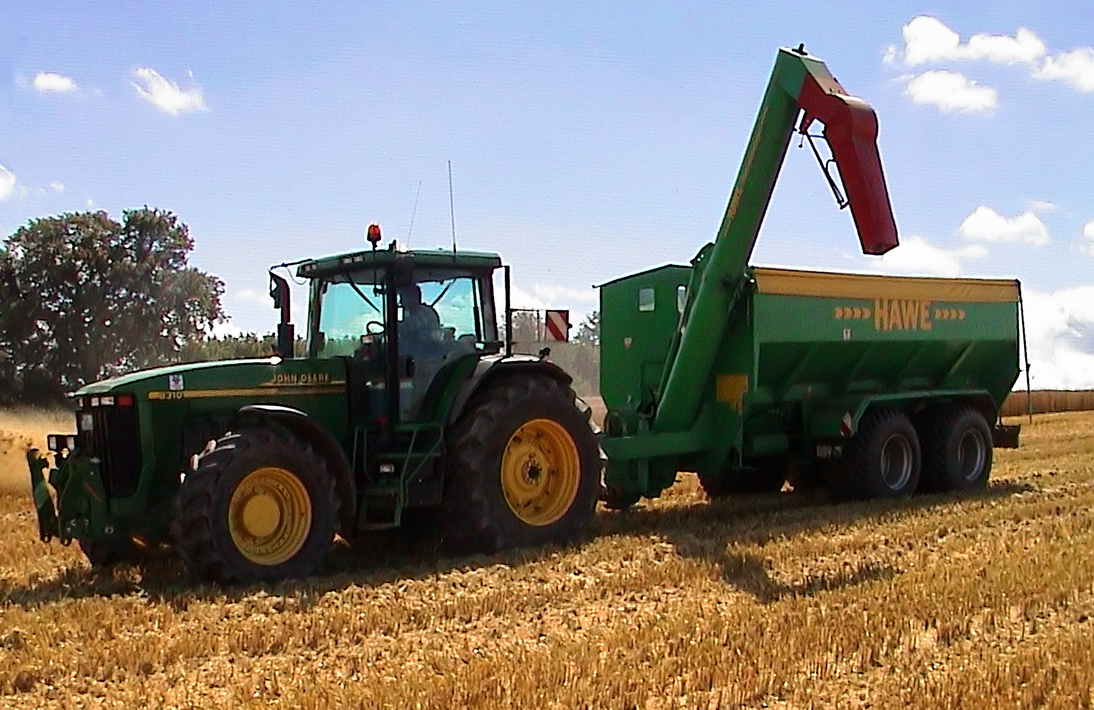
Biodiversity underpins ecosystem services crucial to human well-being, including food security, pollination, water purification, climate regulation, soil formation and sources of medicines and materials. It also has cultural, aesthetic and scientific value. Diverse populations and gene pools provide resilience to pests, disease and environmental change, and support agriculture, fisheries and livelihoods.
Threats
Major drivers of biodiversity loss are widely recognised: habitat loss and fragmentation, overexploitation of species, pollution, invasive non-native species and climate change. These pressures often interact, producing declines in species abundance and the degradation of ecological processes.
Conservation and management
Responses include protected areas, habitat restoration, sustainable resource management, species recovery programs and ex situ conservation such as seed banks. Effective approaches often combine scientific information, legal frameworks, community participation and the knowledge of indigenous peoples. Monitoring and assessment tools — including species red lists and biodiversity indicators — guide priorities and measure progress.
Policy and practical choices
Biodiversity is integrated into national and international policy frameworks that aim to balance development and conservation. Practical choices about land use, consumption and stewardship, together with coordinated research and education, are central to sustaining biodiversity for future generations.
Related articles
Author
AlegsaOnline.com Biodiversity: the variety of life and why it matters Leandro Alegsa
URL: https://en.alegsaonline.com/art/11626