
National Parks of Costa Rica
Overview of Costa Rica's 26 national parks, their ecosystems, management by SINAC (MINAE), major parks, conservation role, ecotourism value, and notable facts.
Overview
Costa Rica protects an extensive network of natural areas that includes 26 designated national parks. These parks conserve a wide variety of habitats — from lowland tropical rainforest and cloud forest to dry forest, volcanoes, coastal wetlands and marine reserves — within a relatively small country. The national parks form the core of a broader system of protected areas aimed at preserving biodiversity and ecological functions.
Image gallery
10 Images


Management and governance
National parks in Costa Rica are administered by SINAC (Sistema Nacional de Áreas de Conservación), the institution responsible for day-to-day management, research permits, and visitor services. SINAC is part of the Ministry of Environment and Energy (MINAE), which sets national policy, coordinates conservation programs, and integrates protected-area work with broader environmental planning.
Characteristics and uses
Parks vary in size and character: some protect remote terrestrial wilderness, others safeguard volcanic landscapes or coastal and marine ecosystems. They serve multiple purposes — long-term conservation of species and habitats, scientific research, environmental education, and regulated ecotourism. Visitor infrastructure ranges from simple trails and ranger stations to interpretive centers and guided tours.
Notable parks and examples
- Corcovado National Park — a biodiversity hotspot known for rich mammals and birdlife.
- Manuel Antonio National Park — famous for accessible beaches and wildlife viewing.
- Tortuguero National Park — important for sea turtle nesting and freshwater wetlands.
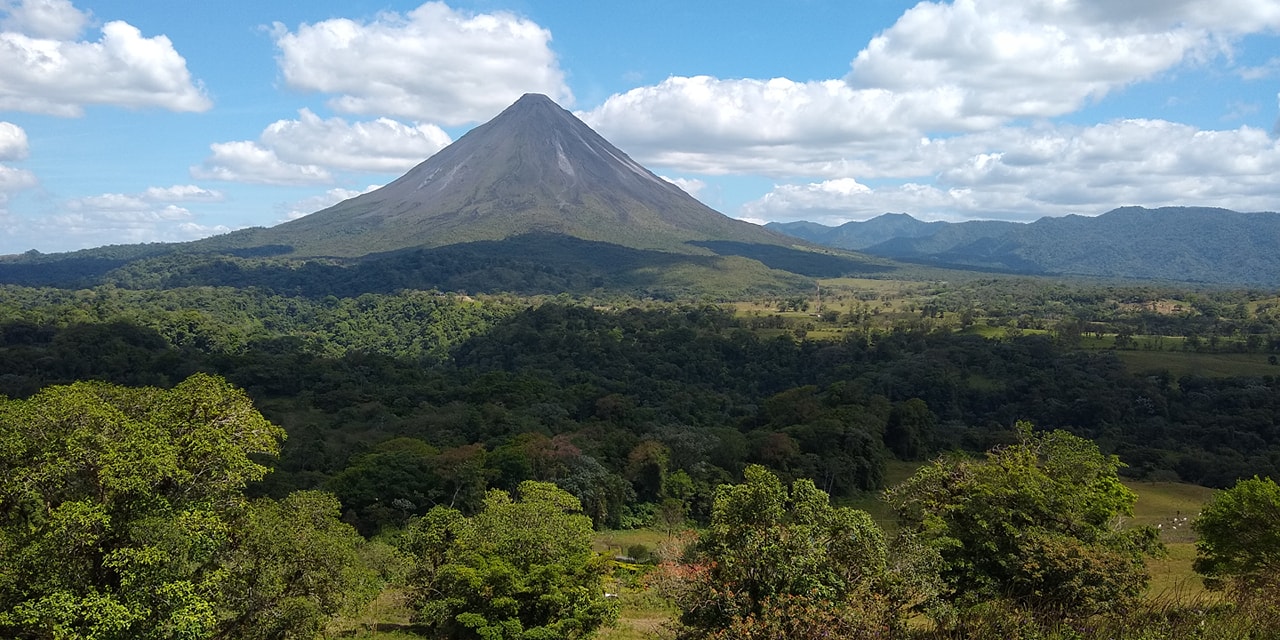
- Arenal and Poás — parks that protect volcanic landscapes and cloud forests.
- Cocos Island — an offshore marine park and notable World Heritage site famed for pelagic biodiversity.
Importance, distinctions and challenges
Although Costa Rica is small geographically, its national parks contribute disproportionately to global biodiversity conservation. They are central to the country’s reputation for ecotourism and form key links in larger conservation corridors. At the same time, parks face challenges such as balancing visitor access with habitat protection, managing invasive species, and coordinating with local communities and private lands to maintain ecological connectivity.
Further information
For a general listing and visitor guidance see the government registry of National parks and official resources on Costa Rica. Researchers, travelers and educators rely on SINAC and MINAE for up-to-date rules, guided-visit options and conservation initiatives.
Related articles
Author
AlegsaOnline.com National Parks of Costa Rica Leandro Alegsa
URL: https://en.alegsaonline.com/art/68673
Sources
- forbes.com : "The World's Most Beautiful National Parks"