
Ashigaru — Japanese foot soldiers from Heian through the Edo period
Ashigaru were Japan's light infantry foot soldiers, recruited from peasants and townsmen, who served samurai and daimyo from the Heian era through the Sengoku and into the Edo period.
Overview
Ashigaru were the rank-and-file foot soldiers of premodern Japan. Originally attached to aristocrats and provincial officials as guards, they later became the primary infantry employed by samurai commanders and feudal lords. The term describes a social-military role rather than a fixed rank: ashigaru could be temporary levies, professional retainers, or mercenary troops depending on time and place. As a category they contrasted with mounted samurai and with non-combatant villagers.
Image gallery
10 Images



Characteristics and equipment
Ashigaru were typically lightly armored compared with samurai and used weapons suited to mass infantry tactics. Common gear and arms included:
- Spears (yari) and polearms for formation fighting.
- Archery earlier in their history; later, widespread use of matchlock firearms (teppo) after the mid-16th century.
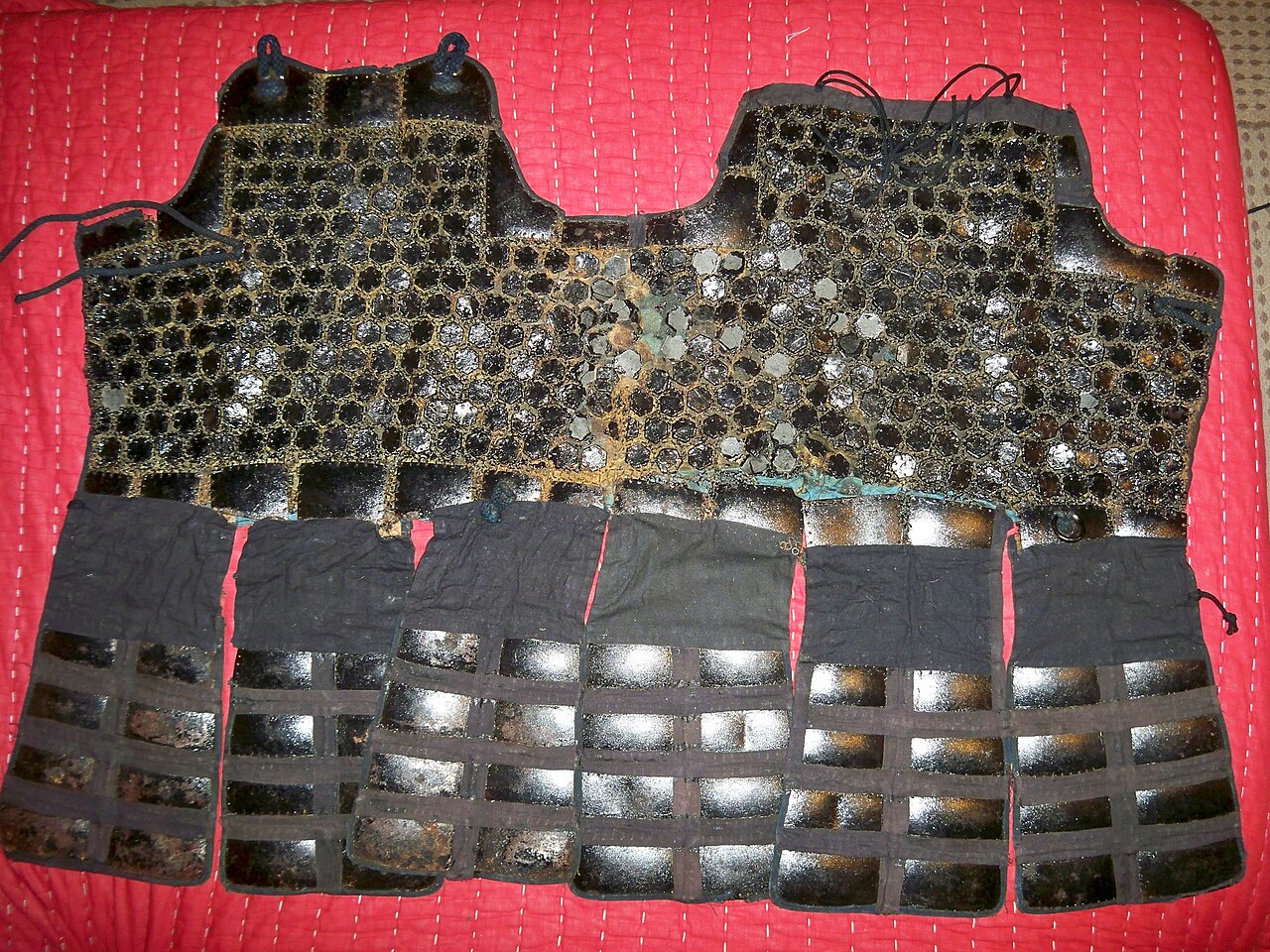
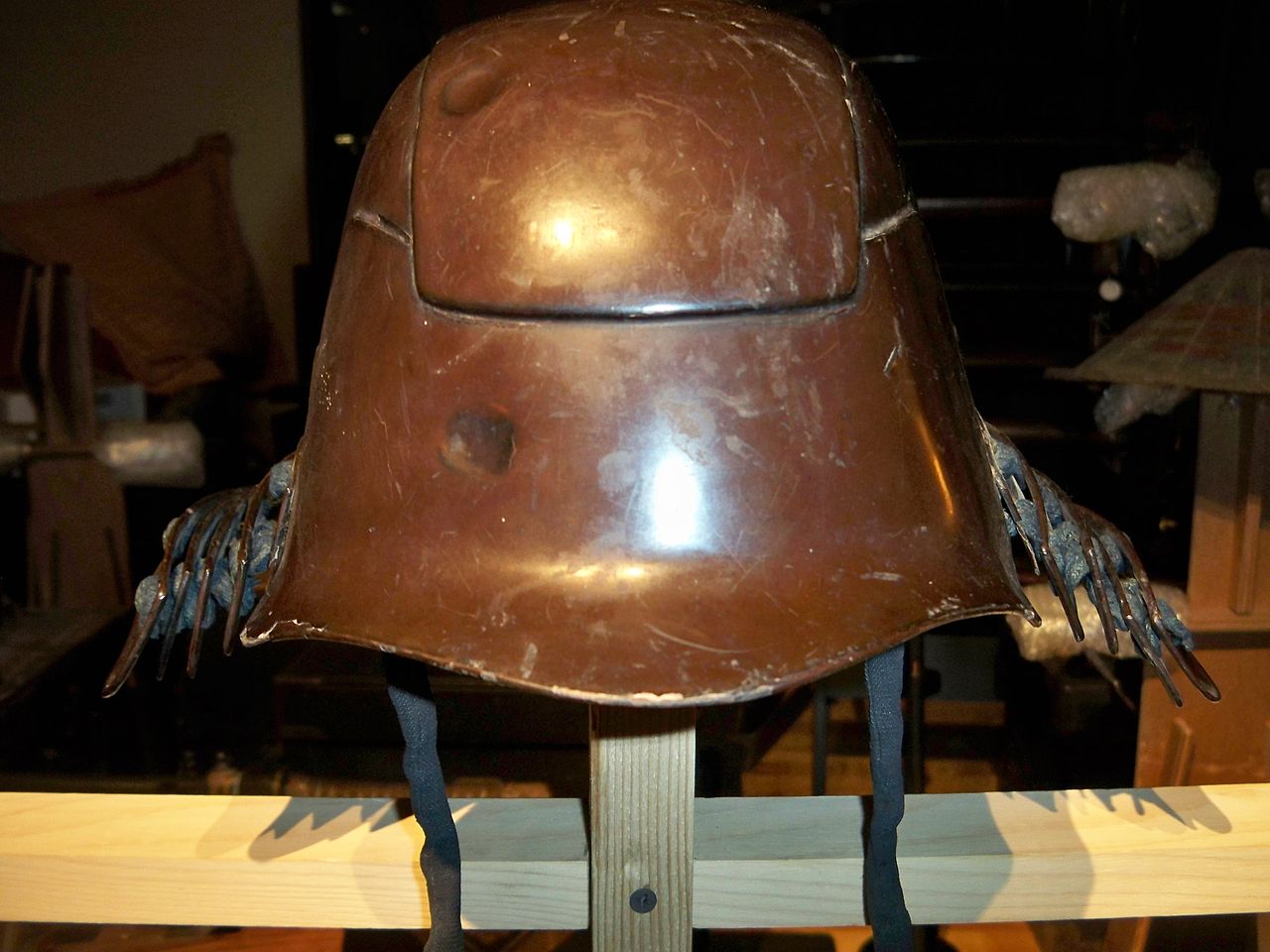
- Simplified helmets and lamellar or folding tatami-style armor that balanced protection and mobility.
- Basic shields, banners, and flagging to identify units on the field.
Because they fought on foot, ashigaru developed collective tactics—massed spear lines, coordinated volleys with firearms, and defensive stakes or earthworks—under the direction of samurai officers.
History and development
The origin of ashigaru stretches back to the Heian period when foot guards protected nobles and officials, but they became much more prominent during the medieval and Sengoku (warring states) eras as warfare expanded. From the 15th to the early 17th century, daimyo required large numbers of infantry for sieges and field battles, so ashigaru recruitment shifted from ad hoc levies to more permanent, trained contingents. The introduction of firearms after contacts with Europeans around 1543 accelerated changes in tactics and organization.
Roles, social status, and later fate
Ashigaru occupied an intermediary social position. They were not granted the same hereditary privileges as samurai, although talented ashigaru could be promoted into samurai service. With the consolidation of peace under the Tokugawa shogunate, the wartime demand for mass infantry declined. Some ashigaru became retainers who were absorbed into low-ranking samurai households, others returned to agriculture or crafts, and some served in policing and local security roles during the Edo period.
Notable practices and distinctions
Distinguishing ashigaru from samurai involves rank, equipment, and legal status: samurai were mounted, bore family crests and swords as symbols of status, and enjoyed distinct legal privileges, while ashigaru often fought on foot, bore simpler arms, and lacked the hereditary privileges of the warrior class. Commanders such as Oda Nobunaga and others are noted for employing ashigaru heavily and for integrating firearms into formation tactics, a shift that changed Japanese warfare in the 16th century.
Further reading and references
Ashigaru appear across many discussions of Japanese military history and social change. For general summaries and primary topics on their role, see entries on the wider history of Japanese soldiers and retainers: soldier, foot-soldier, samurai, and shogun. These resources cover comparative roles, equipment, and how ashigaru fit into feudal military structures.
Related articles
Author
AlegsaOnline.com Ashigaru — Japanese foot soldiers from Heian through the Edo period Leandro Alegsa
URL: https://en.alegsaonline.com/art/6555