
Atlantic Wall — World War II coastal defenses of Nazi Germany
A network of coastal fortifications built and reinforced by Germany in WWII to deter an Allied invasion, organized and constructed mainly between 1942 and 1944 and stretching along much of Western Europe.
The Atlantic Wall was a wide-ranging line of coastal defenses and obstacles constructed and strengthened by Germany during World War II. Known in German as the Atlantikwall, it was intended to prevent or delay an invasion of continental Europe from Great Britain. Construction and reinforcement took place primarily between 1942 and 1944 along the western coast of Europe, from the Arctic fjords of Norway to the border with Spain.
Image gallery
10 Images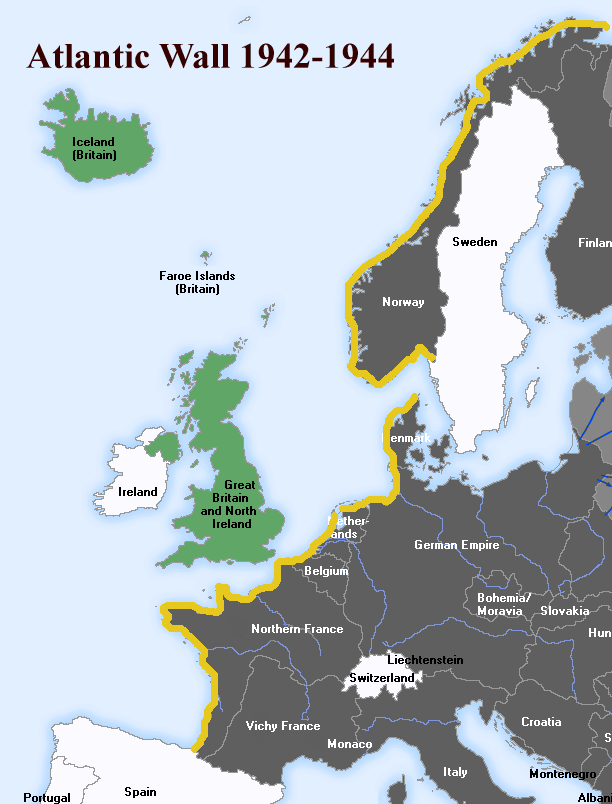






Design and main components
The Atlantic Wall was not a single continuous structure but a system of interlocking defenses. Key elements included:
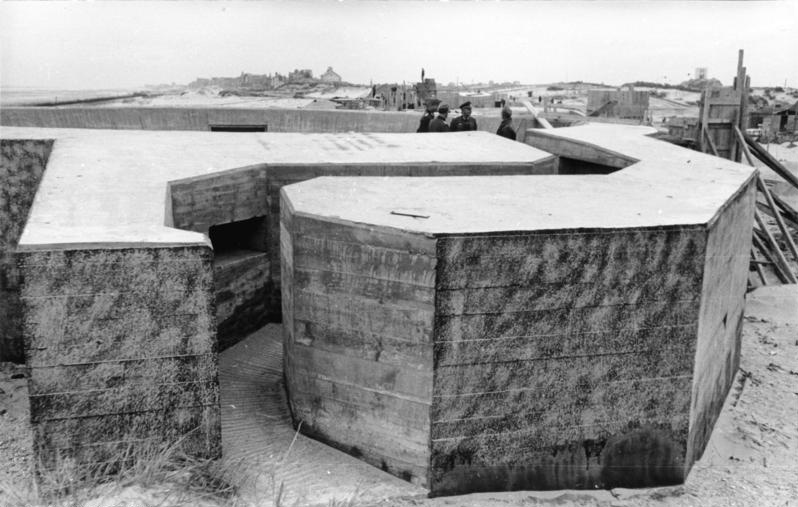
- Concrete bunkers and casemates housing guns and crews
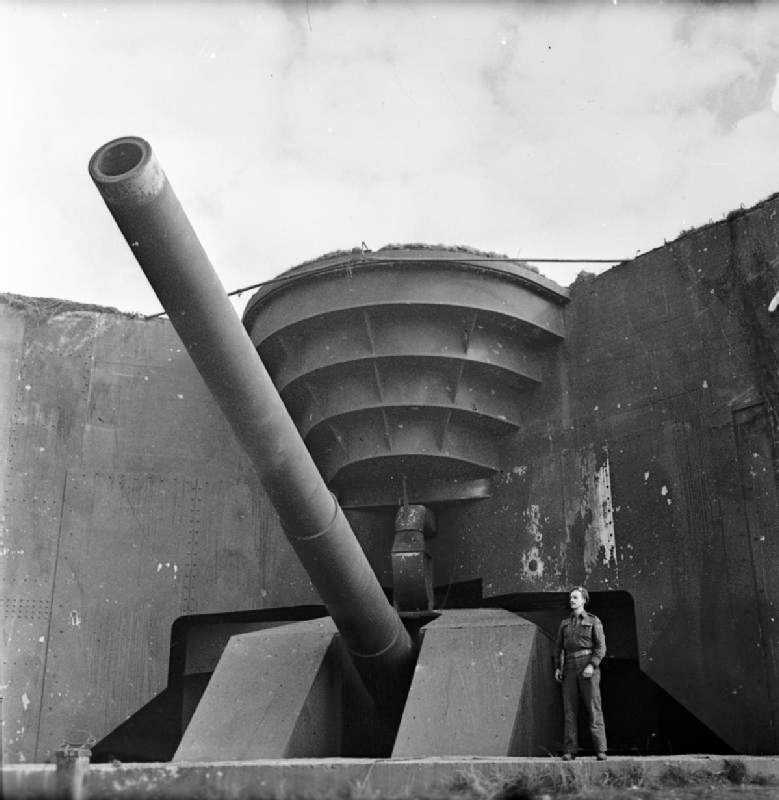
- Heavy coastal artillery batteries and anti-ship guns
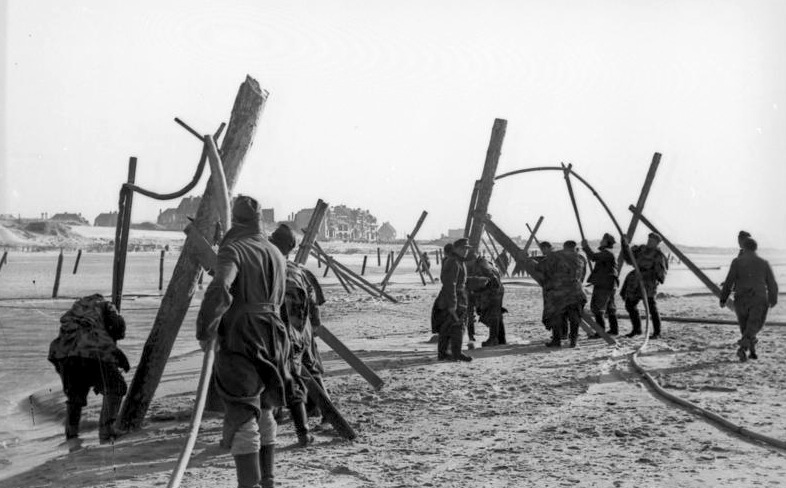
- Anti-tank ditches, hedgehogs, and steel beach obstacles
- Extensive minefields and barbed-wire entanglements
- Observation posts, range-finding positions and communications installations
These features formed a layered defense intended to channel and destroy invading forces before they could establish a beachhead.
Organization and construction
Work on the fortifications was carried out under organizations such as Organisation Todt and local military engineering units. Labor came from a mix of German engineers, civilian contractors and forced or conscripted workers. The quality and density of fortifications varied widely by region: some sectors featured elaborate concrete works, while others consisted of field fortifications and temporary obstacles. The term coastal fortifications is often used broadly to describe this varied array of defenses.
The line included many different types of installations and was supplemented by patrols, mine barrages and artillery emplacements. Communications and early-warning systems helped coordinate defenses, and some positions were adapted to support armored or mobile reserves.
Operational role and Allied response
German planners expected an amphibious assault and concentrated defenses in likely invasion areas. The Allied invasion of Normandy in June 1944 exposed strengths and weaknesses of the Atlantic Wall: while some strongpoints inflicted heavy local casualties, the defenses were not uniformly manned or completed and were circumvented by Allied naval gunfire, airborne operations and concentrated beach landings. Deception and planning by the Allies also exploited German assumptions about the main invasion site.
Legacy and notable locations
Remnants of the Atlantic Wall are visible today along many coasts and have become subjects of historical study, preservation and tourism. Famous sectors include the beaches of Normandy, the Pas-de-Calais approaches and numerous coastal batteries and bunkers that have been preserved as museums. Scholars and visitors examine the Atlantic Wall both as a military project and as a record of wartime construction, forced labor and coastal engineering. For more detailed resources see further reading and archival collections at specialized sites on wartime fortifications or regional museums covering Western Europe and the invasion of Britain.
Questions and answers
Q: What was the Atlantic Wall?
A: The Atlantic Wall was an extensive system of coastal fortifications built by Nazi Germany between 1942 and 1944.
Q: What was the purpose of building the Atlantic Wall?
A: The purpose of building the Atlantic Wall was to defend against an anticipated Allied invasion of the mainland continent from Great Britain.
Q: When was the Atlantic Wall built?
A: The Atlantic Wall was built between 1942 and 1944.
Q: Who built the Atlantic Wall?
A: Nazi Germany built the Atlantic Wall.
Q: Where was the Atlantic Wall built?
A: The Atlantic Wall was built along the western coast of Europe.
Q: What kind of fortifications were built along the Atlantic Wall?
A: The Atlantic Wall consisted of an extensive system of coastal fortifications.
Q: What was the reason for building the Atlantic Wall fortifications?
A: The reason for building the Atlantic Wall fortifications was to defend against an anticipated Allied invasion of the mainland continent from Great Britain.
Related articles
Author
AlegsaOnline.com Atlantic Wall — World War II coastal defenses of Nazi Germany Leandro Alegsa
URL: https://en.alegsaonline.com/art/7004