
Attrition warfare: strategy of wearing down an opponent
Attrition warfare is a strategy that seeks victory by inflicting continuous losses in personnel and materiel until the enemy can no longer fight. Overview, characteristics, history, uses, and critiques.
Overview
Attrition warfare is a form of military strategy in which one side aims to exhaust the other's capacity to fight by causing sustained losses of personnel, equipment, supplies and territory. Rather than seeking decisive maneuvers or rapid collapse through shock, commanders who adopt attrition tactics try to impose a steady drain on the opponent until their society, logistics or armed forces can no longer sustain the conflict.
Image gallery
6 Images

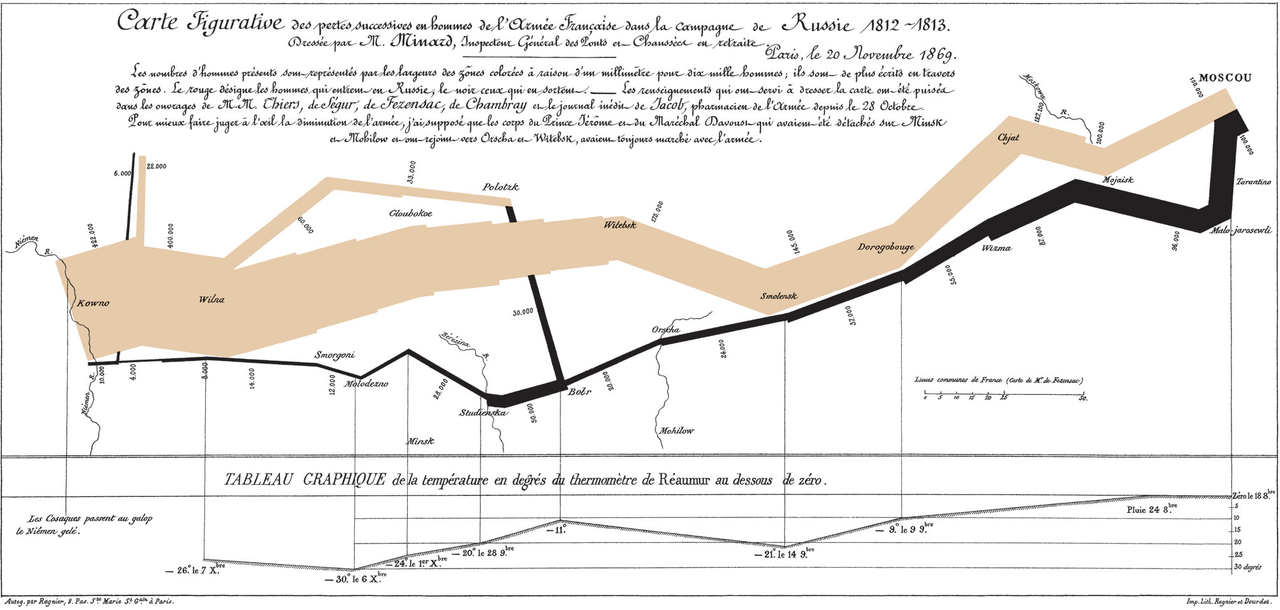


Key characteristics
- Focus on gradual reduction: The objective is cumulative loss rather than immediate decisive victory.
- Resource emphasis: Success often depends on superior manpower, industrial capacity and supply lines.
- High casualty risk: Operations can be costly in lives and materiel for both sides.
- Time horizon: Campaigns tend to be prolonged, relying on endurance and replacement rates.
History and development
The concept of attrition has long roots in pre-modern sieges and conscription wars, where one side sought to outlast an opponent. In the 19th and 20th centuries it became more prominent as industrial production and mass armies made sustained losses feasible. Modern examples are frequently associated with trench and positional fighting, where front lines change little but both sides suffer continuous casualties.
Examples and uses
Commanders may choose attrition when maneuver is constrained by terrain, logistics or enemy defenses, or when political aims allow time to wear down an adversary. Well-known contexts include protracted frontier or trench conflicts and some modern campaigns that emphasize interdiction of supplies and repeated assaults. Practically, attrition can target soldiers, vehicles and weapons systems, or the economic infrastructure that supports an army, such as factories and transport networks; the term is often linked to the broader idea of a military strategy of attrition. It can also be pursued through blockade, bombardment, and systematic interdiction of reinforcements and materiel (equipment).
Distinctions, advantages and criticisms
Attrition differs from strategies based on maneuver, deception, or a single decisive battle. Its chief advantage is its simplicity and ability to exploit superior sustained resources. Critics point to its human and material cost, potential for stalemate, and political risks: prolonged losses can erode public support and international standing. Military theorists therefore often treat attrition as one tool among many, to be balanced with mobility, technology and political considerations.
Notable considerations
- Logistics and industry determine how long a state can sustain attrition.
- Morale and political will are as decisive as raw numbers.
- Technological shifts, such as precision weapons, can change the calculus by making certain assets more or less expendable.
Questions and answers
Q: What is attrition warfare?
A: Attrition warfare is a military strategy in which one side tries to cause enough losses of soldiers and destruction of military equipment to wear down the enemy forces until they collapse.
Q: What is the goal of attrition warfare?
A: The goal of attrition warfare is to weaken the enemy forces until they are unable to continue fighting.
Q: What is the usual result of attrition warfare?
A: The usual result of attrition warfare is that the side with more resources (soldiers and military equipment) emerges as the winner.
Q: Why is the side with more resources likely to win in attrition warfare?
A: The side with more resources is likely to win in attrition warfare because they have the ability to sustain losses and continue fighting.
Q: What are some tactics that can be used in attrition warfare?
A: Some tactics that can be used in attrition warfare include prolonged sieges, constant bombardment, and targeted assassinations.
Q: What are some risks of using attrition warfare as a strategy?
A: Some risks of using attrition warfare as a strategy include high casualty rates, the possibility of a stalemate, and the potential for causing severe damage to civilian infrastructure.
Q: How does attrition warfare differ from other military strategies?
A: Attrition warfare differs from other military strategies in the sense that it focuses on wearing down the enemy forces rather than achieving a quick victory through decisive actions.
Tags
Related articles
Author
AlegsaOnline.com Attrition warfare: strategy of wearing down an opponent Leandro Alegsa
URL: https://en.alegsaonline.com/art/7129
Sources
- scienceofstrategy.org : "Winning Without Conflict | Sun Tzu's Art of War Strategy -"
- forbes.com : "Sun Tzu's 31 Best Pieces Of Leadership Advice"
- historynet.com : "Marine Alternative to Search and Destroy"
- civilwar.org : "Grant Began War of Attrition at the Battle of The Wilderness - www.civilwar.org"
- encyclopedia.1914-1918-online.net : "Attrition Warfare"