
Mithankot — city on the Indus River in southern Punjab, Pakistan
Mithankot is a riverine town in southern Punjab, Pakistan, sited on the right bank of the Indus just downstream of the Panjnad junction. It is known for agriculture, Sufi associations and river transport.
Mithankot is a small but historically important riverside town in southern Punjab, Pakistan. It lies on the right (western) bank of the Indus River, a short distance downstream from where the five-tributary stream of the Panjnad joins the Indus. The town’s position at this river junction has shaped its economy, culture and vulnerability to seasonal flooding.
Image gallery
2 Images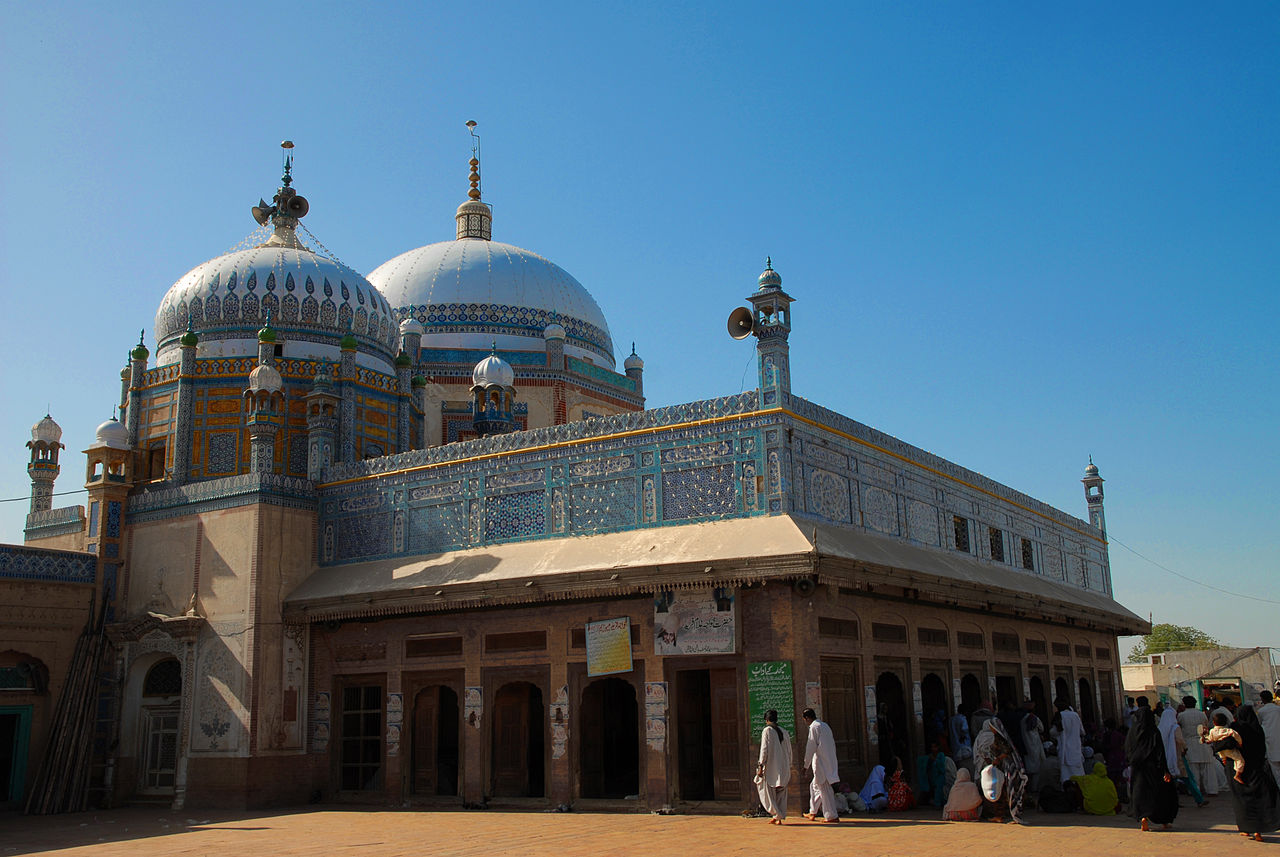
Geography and climate
Mithankot sits within the low-lying alluvial plain of the Indus. The area experiences a hot, semi-arid climate: very hot summers, mild winters and a monsoon-affected rainy season that influences river levels. Soils are generally fertile where irrigation is available, but proximity to the river also means periodic erosion and flood risk along the banks.
History and cultural significance
The town and surrounding settlements have long formed part of the riverine economy of southern Punjab. Mithankot is associated with regional Sufi traditions and hosts local shrines and gatherings that attract pilgrims and visitors. The cultural life of the town reflects Saraiki and Punjabi speech, traditional music, and rural customs.
Economy and infrastructure
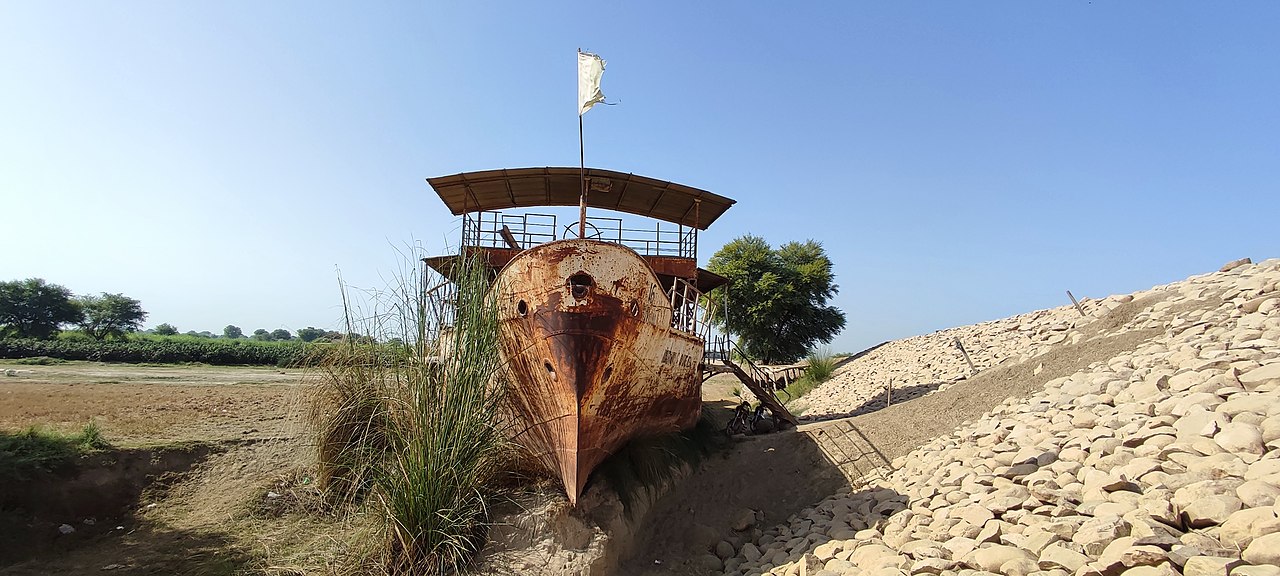
Agriculture is the principal livelihood in and around Mithankot, with crops and practices typical of the Indus plain: irrigated cereals, cotton, sugarcane and vegetables. Fishing and small-scale river transport supplement farming. Local markets serve trading needs, while road links connect the town to nearby regional centers. Flood management, irrigation canals and seasonal navigation remain important local concerns.
Notable facts and visitors
- Its riverside setting near the Panjnad–Indus junction makes Mithankot a focal point for studies of river dynamics in southern Punjab.
- The town’s Sufi shrines and folk traditions continue to draw cultural interest from the region.
- Visitors typically travel by road; local ferries and river boats are used for short crossings and fishing.
For additional geographic and historical context, regional overviews and transport information are useful starting points; local conditions change with river behaviour and seasonal farming cycles, so up-to-date sources are recommended for planning travel or study.
Related articles
Author
AlegsaOnline.com Mithankot — city on the Indus River in southern Punjab, Pakistan Leandro Alegsa
URL: https://en.alegsaonline.com/art/65543