
Miguel Hidalgo y Costilla: priest, insurgent leader and Father of Mexican Independence
Biography and significance of Miguel Hidalgo y Costilla (1753–1811), the Mexican Catholic priest whose 1810 uprising — the Grito de Dolores — launched the movement that led to Mexico's independence.
Overview
Miguel Hidalgo y Costilla (8 May 1753 – 30 July 1811) was a Roman Catholic clergyman and a central figure in the early stages of Mexico's struggle to end Spanish colonial rule. Ordained as a priest, Hidalgo is best known for initiating the events of 1810 that are commonly regarded as the opening of the Mexican War of Independence. He remains a national symbol, often called the "Father of the Nation" in Mexico.
Image gallery
10 Images



Early life and formation
Hidalgo trained and served in the Church, studying at seminaries and eventually taking positions that combined pastoral duties with intellectual interests. His background included theological training and exposure to contemporary ideas about reform and governance; for further context on his clerical role see sources on his education. Before 1810 he worked as a parish priest in several communities, most notably the town of Dolores (now Dolores Hidalgo), where his public standing and social networks would prove important.
The uprising and the Grito de Dolores
In September 1810 Hidalgo gave a public pronouncement in the town of Dolores, an event later commemorated as the Grito de Dolores and commonly referred to by that name in Mexican memory. The speech rallied local people to oppose the ruling colonial authorities. Contemporary accounts and later histories vary in detail; some emphasize that his call attacked the viceroyal administration, while others note he framed the movement in complex political terms related to events in Spain. The cry of Dolores is reenacted each year during Mexico's independence celebrations and is closely associated with national identity (Grito de Dolores).
Campaign, capture and death
Hidalgo quickly attracted a large and diverse following including indigenous, mestizo and criollo supporters. His forces captured several towns and scored notable early successes, but lacked regular military training and centralized organization. Royalist troops eventually regained the initiative. Hidalgo was ultimately betrayed or overwhelmed, taken prisoner and handed over to Spanish authorities. In 1811 he was executed by a royalist sentence; accounts specify that the execution was carried out by a firing squad (firing squad).
Aftermath and legacy
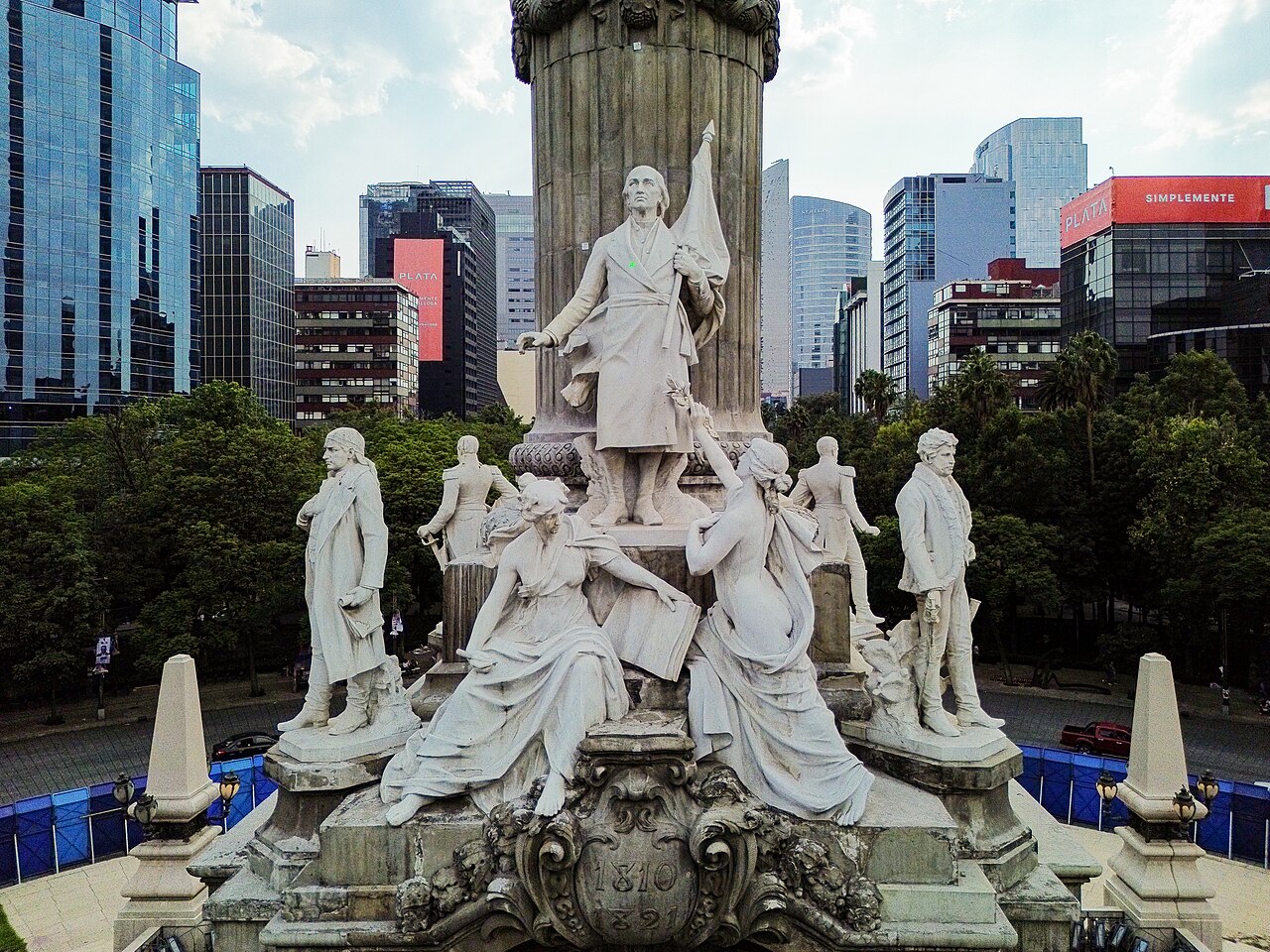
Hidalgo's death did not end the independence movement. Other leaders, including José María Morelos and later figures such as Vicente Guerrero, continued the struggle until independence was achieved in 1821. Hidalgo's symbolic importance grew in the decades that followed: towns such as Dolores were renamed, and the Mexican state of Hidalgo bears his name. He is commemorated in monuments, public ceremonies and school curricula as a champion of national liberation.
Notable aspects and debates
- Role of the Church: Hidalgo's position as a priest has prompted discussion about the interaction of religious authority and political rebellion in colonial Spanish America.
- Motivations: Historians debate the extent to which Hidalgo sought immediate independence versus reform or resistance to particular colonial officials; his aims are often presented as both political and social.
- Popular support: The movement he started mobilized broad social groups and highlighted grievances over land, taxation and social hierarchy.
Key moments associated with Hidalgo are often listed for quick reference:
- Birth and ordination as a cleric
- The proclamation in Dolores in 1810 (Grito)
- Military campaigning and early insurgent successes
- Capture, trial and execution in 1811
- Subsequent independence of Mexico in 1821 and ongoing commemoration
Miguel Hidalgo's life and legacy combine religious vocation, popular leadership and revolutionary action. Whether studied as a clerical reformer, an insurgent commander or a nationalist symbol, he remains a foundational figure in the history of modern Mexico. For additional reading and archival material consult specialized histories and primary-source collections linked through authoritative repositories (context on colonial Spain, clergy records, seminary archives, and commemorative resources such as those noted above).
Related articles
Author
AlegsaOnline.com Miguel Hidalgo y Costilla: priest, insurgent leader and Father of Mexican Independence Leandro Alegsa
URL: https://en.alegsaonline.com/art/64809
Sources
- britannica.com : Miguel Hidalgo y Costilla | Mexican leader | Britannica.com