
Mihai Eminescu — Romanian Poet (1850–1889)
Overview of Mihai Eminescu, the leading Romanian late-Romantic poet: life, major works, themes, influence, and enduring legacy in Romanian culture and literature.
Mihai Eminescu (born Mihail Eminovici; January 15, 1850 – June 15, 1889) is widely regarded as the most important Romanian poet of the 19th century. A central figure in Romanian letters, his work blends late Romantic sensibilities with national themes, philosophical reflection, and a marked attention to language. For pronunciation and audio references see the pronunciation entries commonly provided in language resources.
Image gallery
10 Images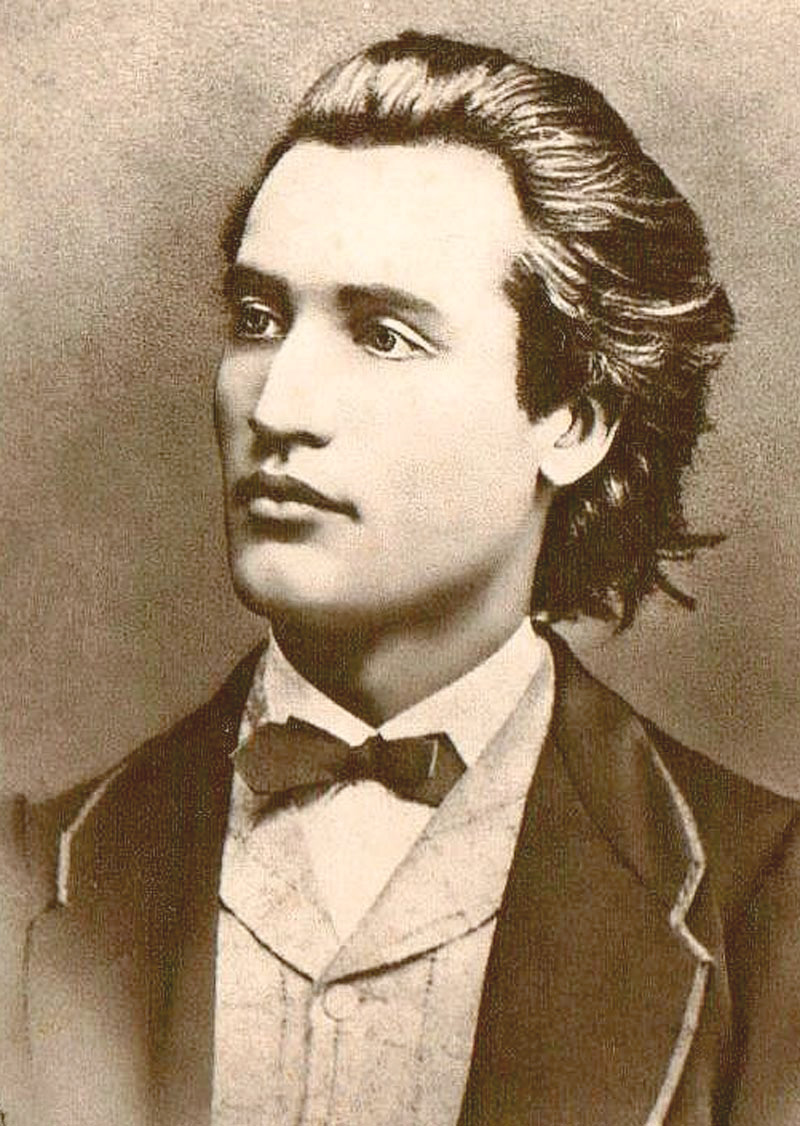




Life and literary career
Eminescu grew up in the historic regions that now form modern Romania and received a broad humanist education. He became active in the influential Junimea literary society and later worked as editor of the newspaper Timpul, associated with the Conservative Party. His career combined creative poetry with journalism and public debate. In his last years Eminescu experienced a decline in health; he died in 1889, leaving an imprint far larger than his relatively brief life might suggest.
Major works and themes
Many of Eminescu's poems are staples of Romanian culture. His most famous pieces include:
- Luceafărul ("Evening Star"), an expansive narrative lyric on love and metaphysical distance;
- Odă în metru antic ("Ode in Ancient Meter"), showing his engagement with classical forms;
- Scrisori ("Epistles" or satires), a sequence of reflective and critical poems.
Recurring themes in his oeuvre include nature and cosmology, unrequited or idealized love, historical and social commentary, the passage of time, and an often melancholic philosophical outlook. His language is notable for precise imagery, musical cadence, and occasional use of folklore and archaic forms.
Style, influences, and distinctions
Eminescu is commonly classified within the late Romanticism movement, but his verse also absorbs classical meters, folk elements, and modern philosophical concerns. His technical command — ranging from short reflective lyrics to long narrative pieces — and his cultivation of Romanian as a literary vehicle contributed to his reputation as a national poet. He influenced generations of writers and helped shape modern Romanian literary language and schooling curricula.
Legacy and cultural importance
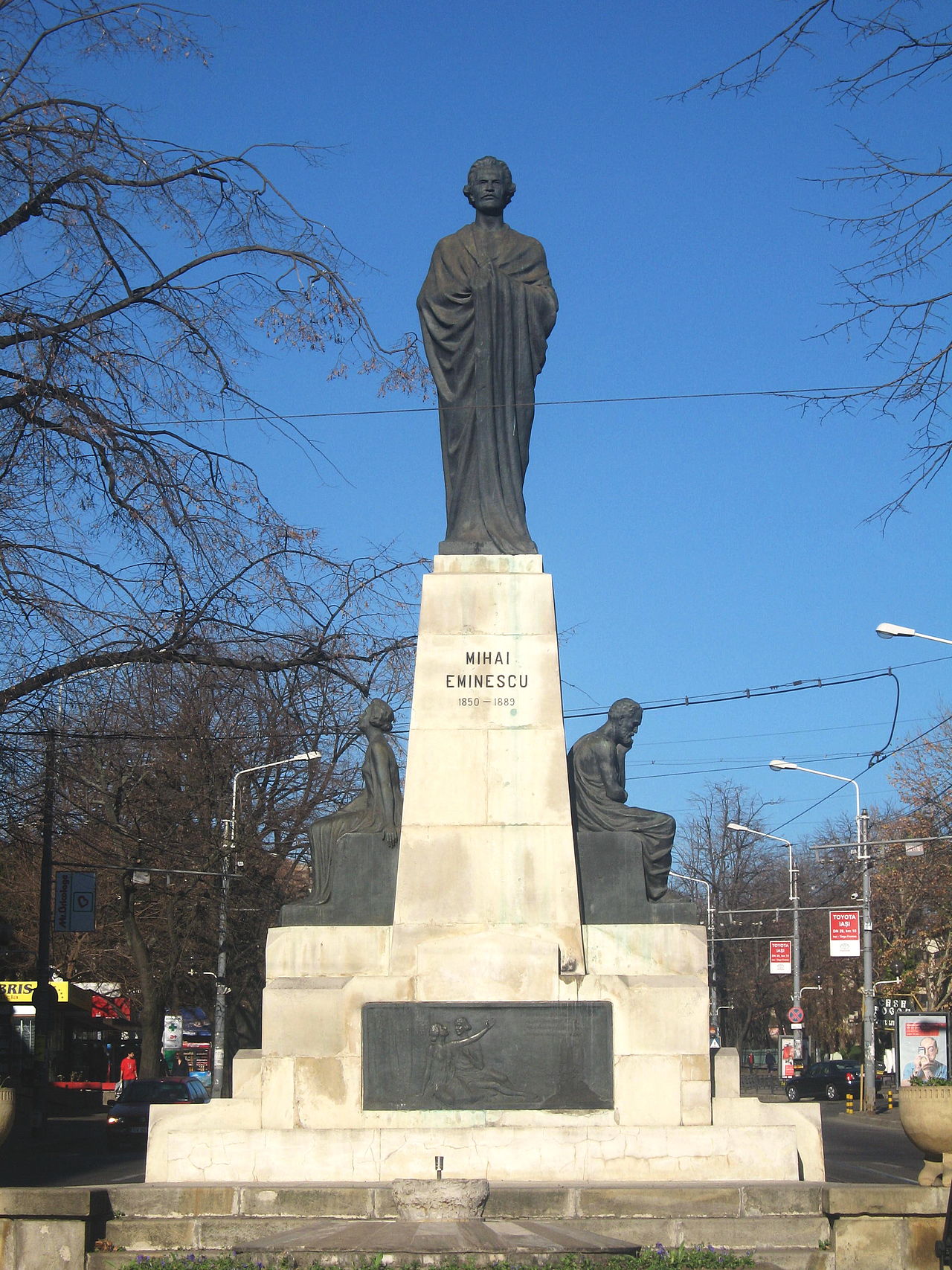
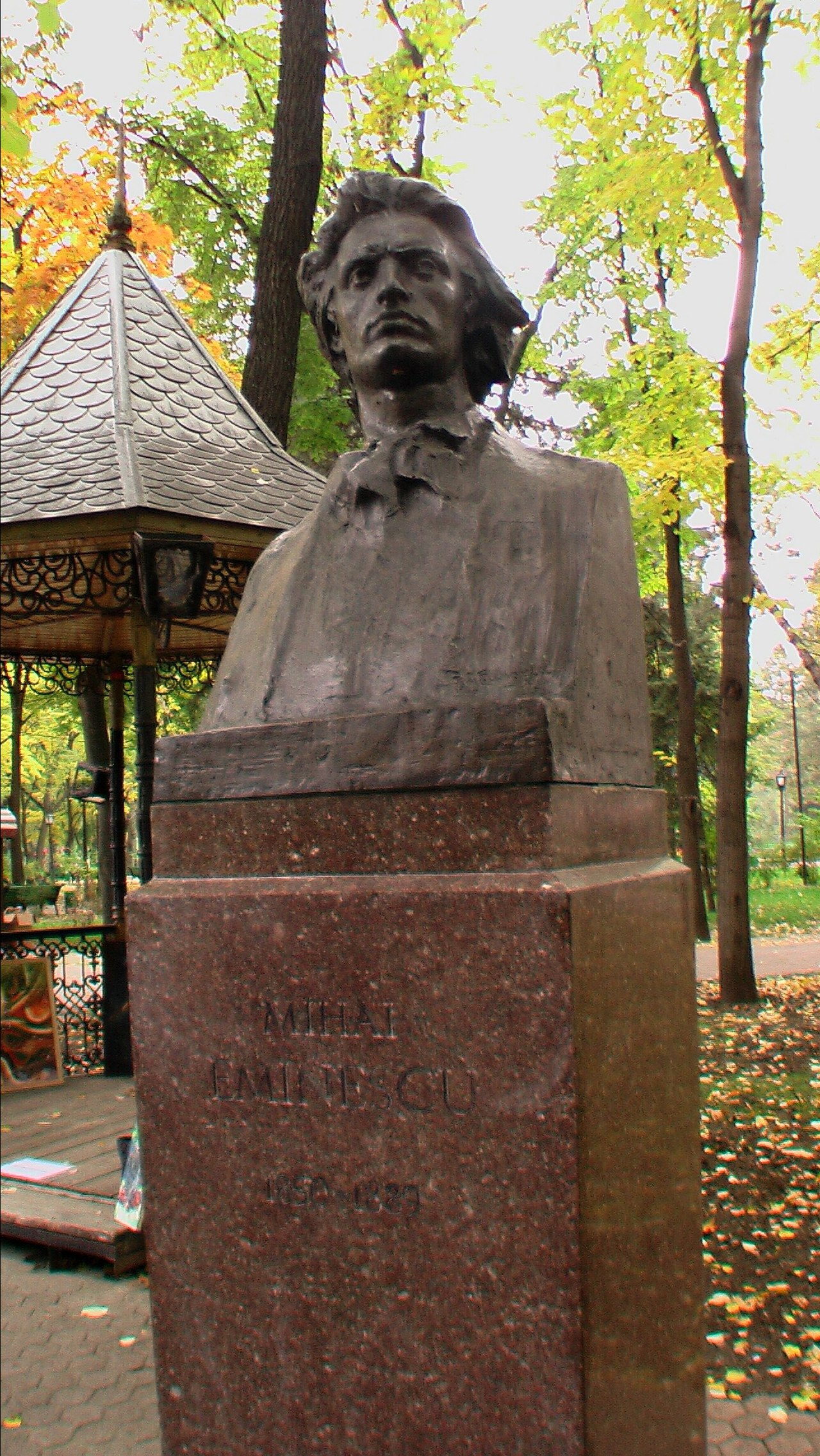
Today Eminescu is a central subject of literary study in Romania and among Romanian-speaking communities abroad. His poems are widely anthologized, taught in schools, set to music, and commemorated in public monuments, place names, and cultural institutions. While interpretation of particular poems varies among scholars, his overall status as a foundational figure in Romanian literature remains broadly accepted.
Related articles
Author
AlegsaOnline.com Mihai Eminescu — Romanian Poet (1850–1889) Leandro Alegsa
URL: https://en.alegsaonline.com/art/64815