
Hidalgo (state)
Hidalgo is a central-eastern state of Mexico with a mining heritage, diverse landscapes from mountains to valleys, a population near 2.35 million, and the capital Pachuca.
Hidalgo is a state in central‑eastern Mexico known for its mountainous terrain, historic mining towns and indigenous cultures. Its capital and largest city is Pachuca, often called "La Bella Airosa" for its breezy climate. The state has a population of about 2,350,000 people and combines urban centers with rural highland communities.
Image gallery
10 Images






Geography and environment
Hidalgo occupies a transitional zone between the Sierra Madre Oriental and interior basins. Elevations range from steep ridges and pine‑covered peaks to temperate valleys and river corridors. The varied relief produces multiple microclimates: cooler highlands with forests, milder valley floors used for agriculture, and striking volcanic formations such as the Basaltic Prisms near Huasca de Ocampo. Rivers and reservoirs supply water for towns, farms and industry.
History and cultural roots
The region was home to indigenous groups including Otomi (Ñähñu) and Nahua communities long before Spanish contact. During the colonial era Hidalgo became important for silver and other mineral extraction, shaping a mining economy and a built environment of shafts, haciendas and mining towns. The state takes its name from Miguel Hidalgo y Costilla, a leader of Mexican independence. Over centuries cultural exchange, migration and industry left a legacy visible in festivals, crafts and local cuisine.
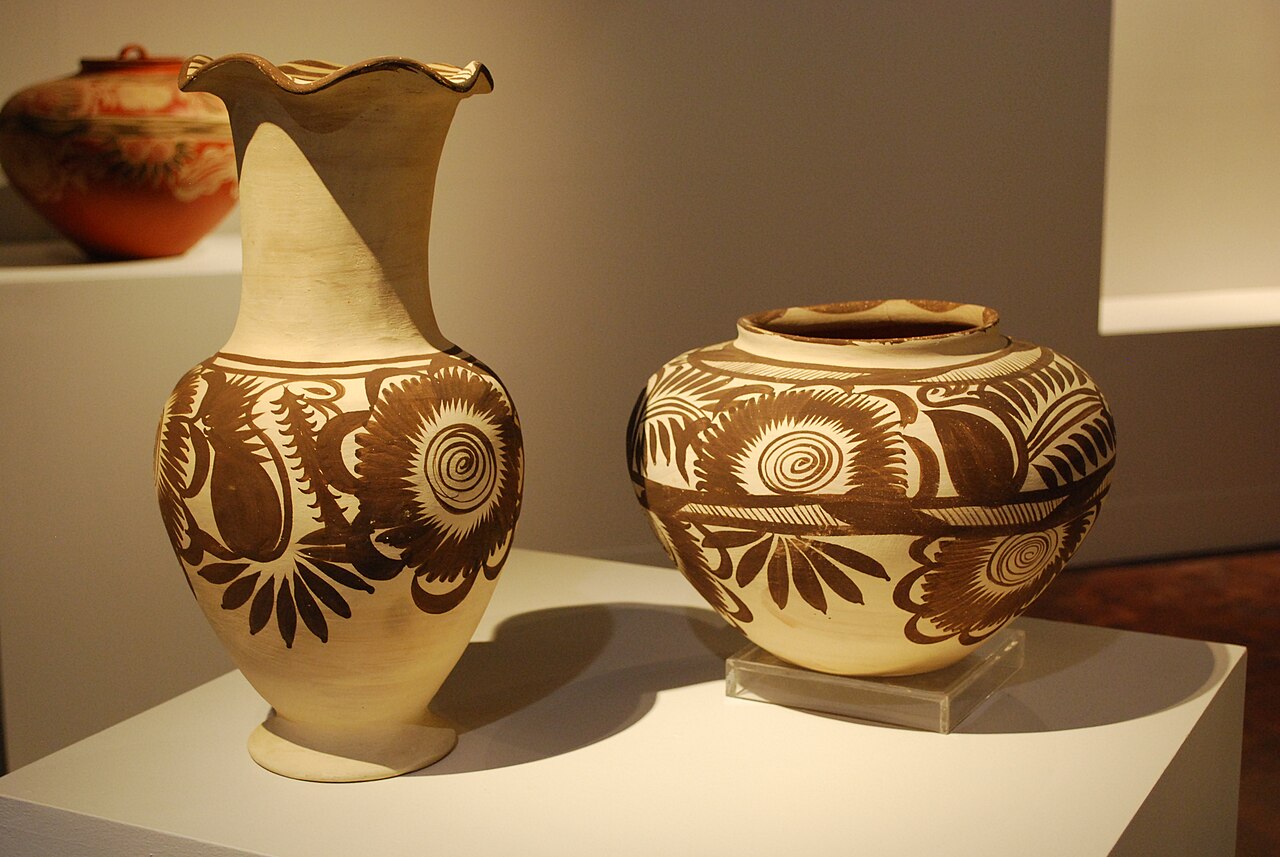
Mining brought foreign influences as well: 19th‑century Cornish miners introduced both mining techniques and a filled pastry that evolved locally into the popular "paste" of Hidalgo. Traditional crafts include textiles, pottery and metalwork, while local cuisine reflects indigenous ingredients and colonial-era recipes.
Economy, society and importance
Hidalgo's economy mixes mining, manufacturing, agriculture and services. Urban areas like Pachuca host government institutions, education and industry, while smaller municipalities rely on farming, forestry and tourism. Indigenous languages and communities remain an important part of social life; cultural preservation and bilingual education are ongoing priorities. The state's historical sites, natural parks and unique geological features attract domestic tourists.
Notable places and attractions:
- Real del Monte (mining town with historic architecture)
- Huasca de Ocampo and the Basaltic Prisms
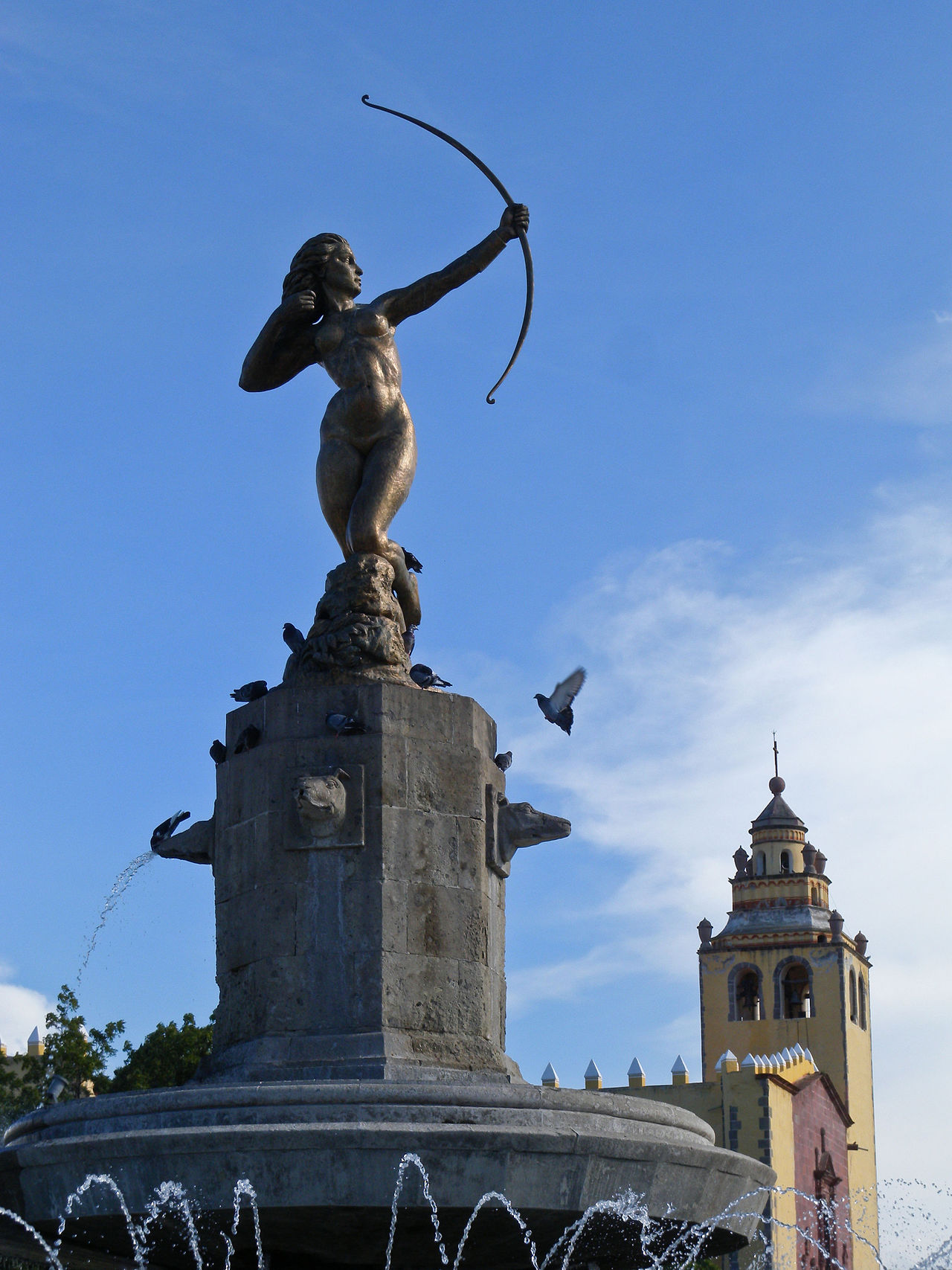
- Pachuca: civic center, museums and mining heritage
- Rural Otomi and Nahua communities that maintain traditional crafts and festivals
Hidalgo blends natural scenery, a distinct mining history and living indigenous traditions. For visitors and researchers alike it offers accessible examples of how landscape, resource extraction and cultural continuity shape a region within Mexico.
Related articles
Author
AlegsaOnline.com Hidalgo (state) Leandro Alegsa
URL: https://en.alegsaonline.com/art/44049