
Midland, Texas — Permian Basin city and Bush family hometown
Midland, Texas is a city in West Texas at the heart of the Permian Basin. Known for its oil and gas history, regional transport links, and ties to the Bush family, it remains an energy and service center.
Overview
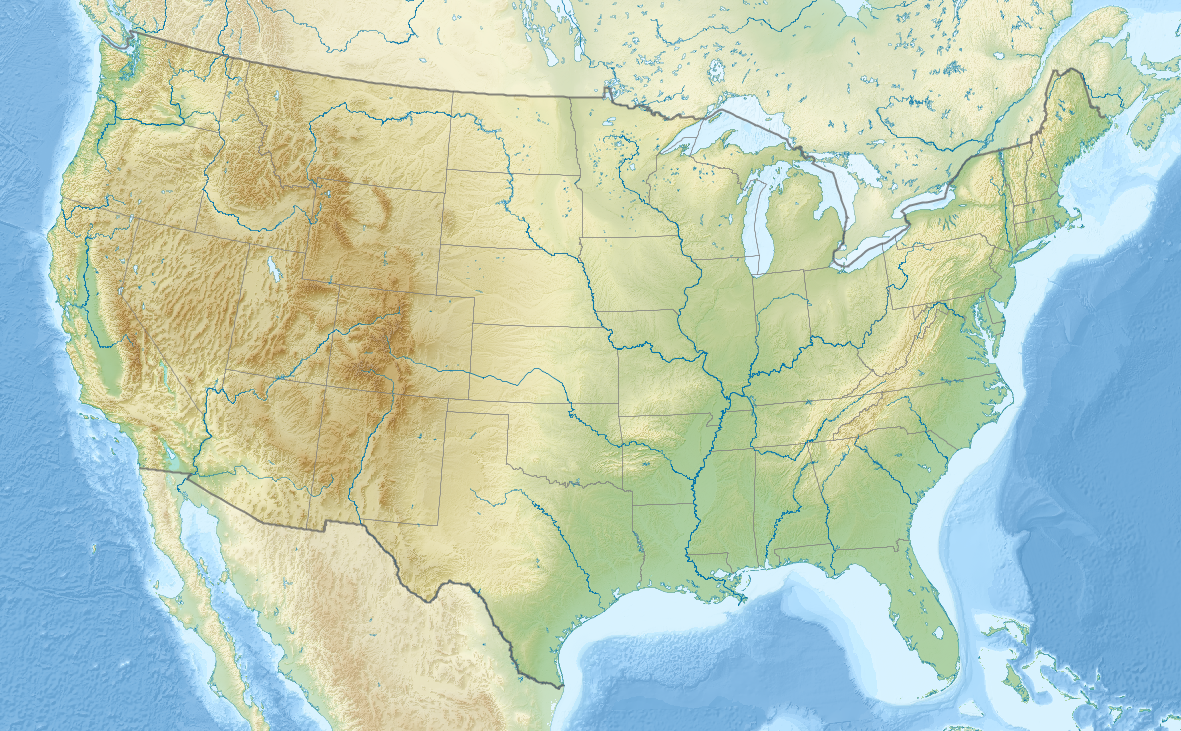
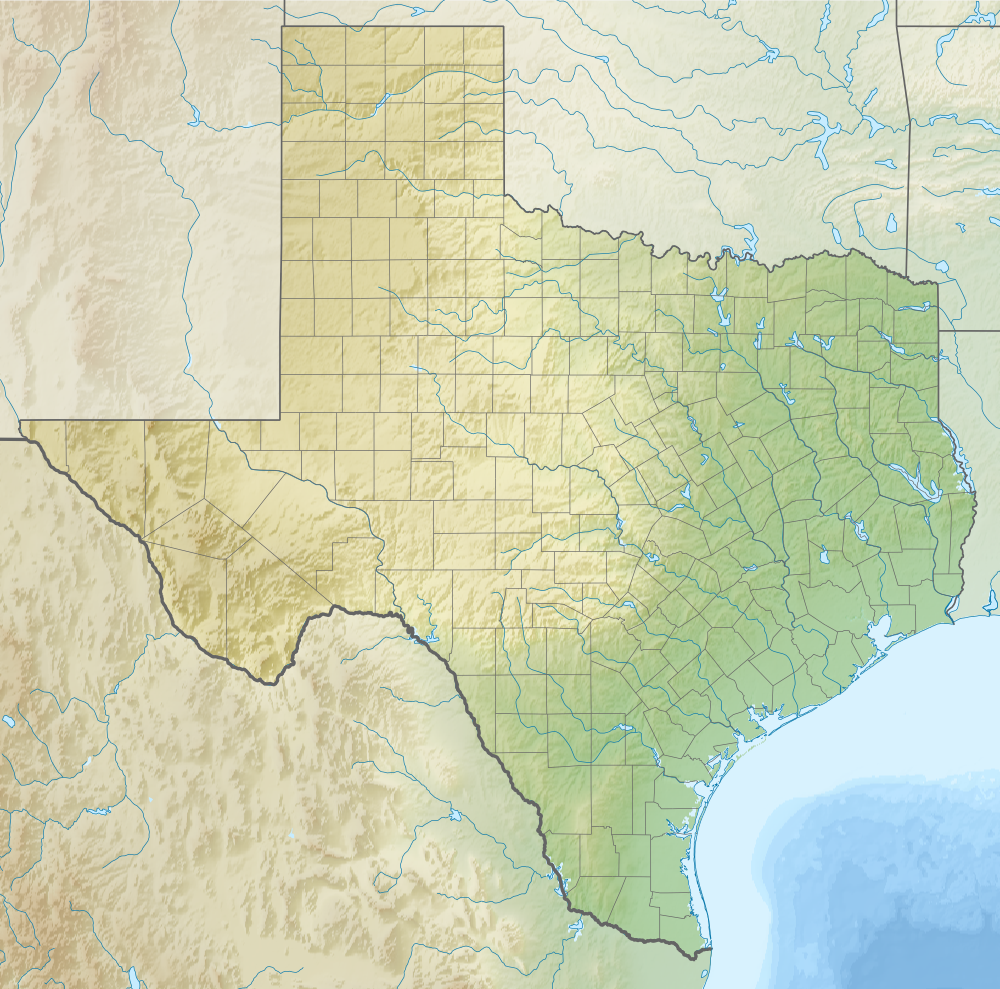
Midland is a city in the United States state of Texas, situated in the western part of the state. Its name reflects a geographic idea of being midway between larger hubs such as Fort Worth and El Paso. Midland functions as a regional center for commerce and services within the Permian Basin, a broad oil- and gas-producing area of Texas and adjacent New Mexico.
Image gallery
10 Images


History and economy
Modern Midland expanded rapidly after the discovery of petroleum in the early 20th century. A widely cited milestone is the oil finds of 1923, which anchored an energy-focused local economy dominated by oil and gas extraction and related industries. Over time the city's economy has diversified to include healthcare, education, retail, professional services and transportation, but energy remains central to employment and investment.
Geography and transportation
Located on relatively flat, semi-arid plains, Midland experiences hot summers and mild winters. Regional travel and freight rely on highways and air service; the city is served by a commercial airport that connects the area to larger hubs. The role of Midland as a logistics and support center helps connect energy production to national markets and supplies.
Culture, institutions and notable people
Midland hosts museums, community institutions and institutions tied to the region's petroleum heritage. It is also known for its association with the Bush family. Barbara Bush and her husband George H. W. Bush lived for a time in the area; their family includes George W. Bush and Jeb Bush. Local cultural organizations and museums interpret both the energy industry and the region's social history, which visitors and residents explore through exhibits, public programs and historic sites.
Distinctive facts
- Midland sits in the Permian Basin, one of North America's most productive hydrocarbon provinces.
- The city's growth has risen and fallen with commodity cycles tied to oil.
- Midland serves as a regional hub for government, education and medical services in West Texas.
For general information and local resources consult state and municipal pages, planning documents and regional economic reports available through official portals such as state resources and the area's civic organizations. Additional background on the city's development and notable residents can be found through regional historical societies and museum collections linked to the Permian Basin and the Bush family legacy, including broader references to the Bush family.
Related articles
Author
AlegsaOnline.com Midland, Texas — Permian Basin city and Bush family hometown Leandro Alegsa
URL: https://en.alegsaonline.com/art/64737
Sources
- midlandtexas.gov : "Mayor & City Council"
- midlandtexas.gov : "City Management"
- factfinder2.census.gov : "American FactFinder" · web.archive.org
- geonames.usgs.gov : "US Board on Geographic Names"
- commons.wikimedia.org : Midland, Texas