
Jeb Bush: American politician, governor, and public figure
Overview of John Ellis 'Jeb' Bush: family background, business and political career, two-term Florida governorship, policy priorities, 2016 presidential bid, and later public activity.
John Ellis "Jeb" Bush (born February 11, 1953) is an American businessman and Republican politician who served as the 43rd governor of Florida from 1999 to 2007. He is a member of the Bush family, which has played a prominent role in U.S. public life for several decades; for a concise external profile see supplementary profile. Bush's public career combines private-sector experience with extended engagement in state government and national politics.
Image gallery
10 Images


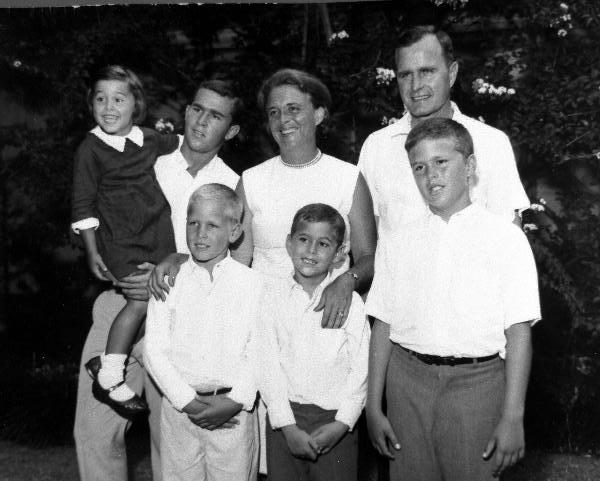


Family background and education
Bush grew up in a family with a multigenerational presence in American public affairs. He is the second son of former President George H. W. Bush and former First Lady Barbara Bush, and the younger brother of former President George W. Bush. His grandfather, Prescott Bush, served in the U.S. Senate, and family biographies and archival materials discuss these connections in more detail at biographical references and in historical records such as senatorial collections. Personal and family influences were significant in his early decisions about education and career; his family background has been a recurrent theme in public and media accounts of his life, including perspectives found at published profiles of family life.
Business career and early public roles
After completing his formal education, Bush moved to Florida and pursued a career in business, particularly in real estate development and related ventures. He later held a state-level appointment as Florida's Secretary of Commerce in the 1980s, serving in an administrative role that combined economic promotion with interactions between government and private industry. Accounts of his private-sector and early public-sector work appear in contemporary reportage and timelines of Florida business and politics; see a sampling of contemporary coverage at business and political accounts.
Gubernatorial campaigns and tenure
Bush first ran for governor of Florida in 1994 and narrowly lost that election. He ran again in 1998 and won the governorship, taking office in January 1999; he was reelected in 2002 and served two full terms. Coverage of those campaigns, their political context, and the electoral outcomes are available in campaign summaries and voting records such as those compiled in campaign reviews and electoral archives. As governor, Bush presided over an administration that prioritized management reforms, economic development, and policy changes that reflected both conservative and pragmatic elements.
Policy priorities and accomplishments
Education policy was one of Bush's central priorities as governor. His administration promoted standards-based accountability, expansion of school choice options including charter schools and voucher initiatives, and measures intended to increase school performance. He also supported tort reform measures aimed at limiting certain types of medical malpractice awards and pursued reforms in how the state managed Medicaid services, with an emphasis on managed care arrangements. Environmental policy under his administration included work on restoring parts of the Everglades and other conservation projects. Analysts, policy organizations, and environmental studies discuss these areas in detail; summaries and specialized reviews can be found via environmental reports and education policy analyses.
2016 presidential campaign and later activity
After leaving the governor's office, Bush remained involved in public policy and advocacy, including leadership of and participation in organizations focused on education and state-level reform efforts. He sought the Republican nomination for president in 2016; that campaign drew attention because of his governing record, his policy positions on education and fiscal matters, and his family name. The campaign attracted significant media coverage and debate within the party about priorities and direction. Following the campaign, Bush continued to engage on education and public-policy issues in both advisory and organizational roles.
Assessment and legacy
Assessments of Bush's career vary. Supporters point to improvements in certain education measures, efforts to streamline government operations, and active engagement with environmental restoration projects. Critics highlight controversies over privatization tendencies in public services, debates over the effects of tort reform and Medicaid restructuring on access to care, and differing views about the balance between economic development and environmental protection. Histories and policy studies that evaluate his administration are available for readers interested in deeper analysis, and the links above lead to a range of sources that offer further context.
- Full name: John Ellis Bush.
- Born: February 11, 1953.
- Principal public office: Governor of Florida, 1999–2007.
- Notable themes: education reform, environmental restoration, Medicaid and health delivery changes, tort reform, and state-level governance.
Questions and answers
Q: What is Jeb Bush's full name?
A: John Ellis "Jeb" Bush.
Q: When was Jeb Bush born?
A: February 11, 1953.
Q: Who are Jeb Bush's parents?
A: His parents are former President George H. W. Bush and former First Lady Barbara Bush.
Q: What did Jeb do after his father ran for Vice President in 1980?
A: He moved to Florida and pursued a career in real estate development.
Q: What position did he hold in 1986?
A: He was named Florida's Secretary of Commerce in 1986.
Q: How many times did he run for governor of Florida? A: He ran twice, losing the first election by less than two percentage points to the incumbent Lawton Chiles and winning the second with 56 percent of the vote to become Florida's first two-term Republican governor.
Q: What reforms did he make during his time as governor of Florida? A: He helped create environmental improvements, such as conservation in the Everglades, supported caps for medical malpractice litigation, moved Medicaid recipients to private systems, and created reforms to the state education system including issuing vouchers and promoting school choice.
Q: Did Jeb run for president in 2016? A: Yes, he was a candidate for the Republican nomination in the 2016 presidential election
Related articles
Author
AlegsaOnline.com Jeb Bush: American politician, governor, and public figure Leandro Alegsa
URL: https://en.alegsaonline.com/art/121721
Sources
- cbsnews.com : "Jeb Bush Makes History In Florida"
- jacksonville.com : "Gov. Jeb Bush's environmental legacy during eight years in office"
- stateimpact.npr.org : "Jeb Bush | StateImpact Florida"
- texastribune.org : "In Texas, a Focused Jeb Bush Stood Out From the Crowd"
- huffingtonpost.com : "Jeb Bush's Pros and Cons"
- bostonglobe.com : "Jeb Bush shaped by troubled Phillips Academy years"
- politico.com : "Andover, Mexico and the Making of Jeb Bush"
- news.google.com : "Florida's First Lady: Columba Bush settles into life in the governor's mansion"
- washingtonpost.com : "Hispanic consciousness lends weight to Jeb Bush as GOP eyes 2016 presidential race"
- blog.chron.com : "Where are they now? Jeb Bush"
- nytimes.com : "As Dynasty's Son, Jeb Bush Used His Connections Freely"
- dallasnews.com : "In Arlington, Jeb Bush says 'stand your ground' invalid in Trayvon Martin case"
- wsj.com : "What Kind of Republican is Bush? His Time as Governor Offers Clues"
- criminal.findlaw.com : "States That Have Stand Your Ground Laws"