
El Paso, Texas
Border city in far West Texas on the U.S.–Mexico border. A desert metropolitan center with a large Hispanic population, cross-border culture, universities, military presence and a long borderland history.
Overview
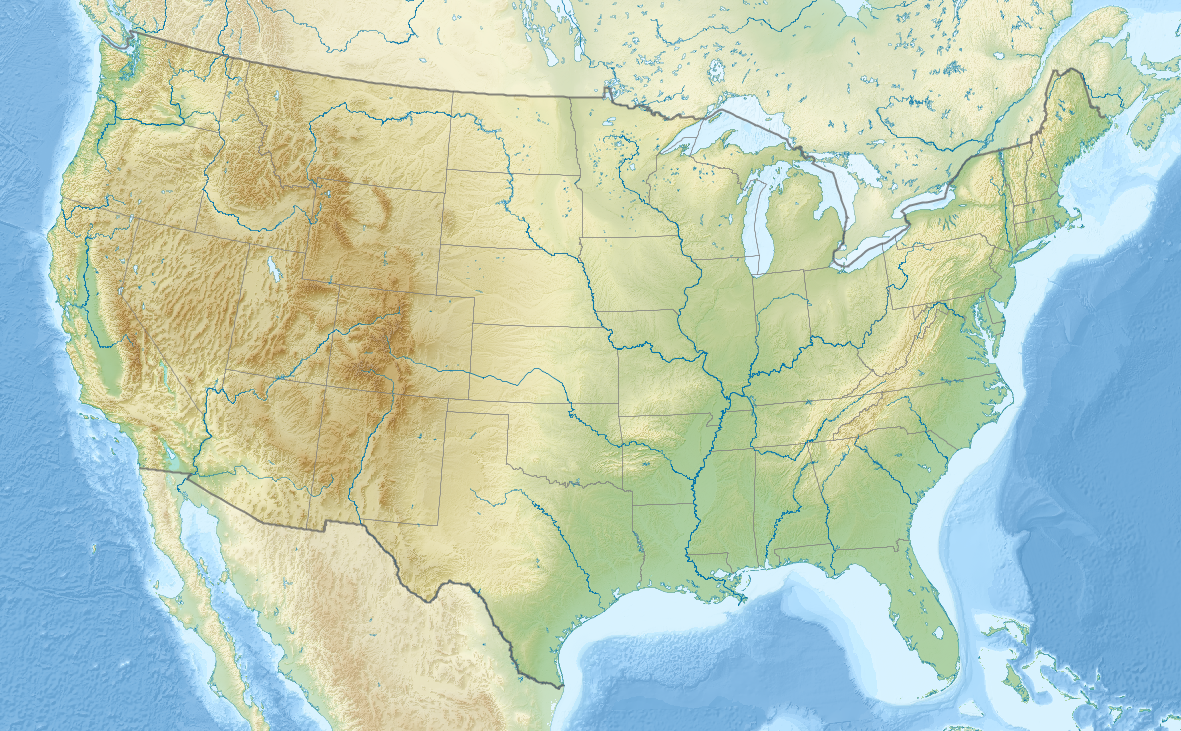
El Paso is a major city in the U.S. state of Texas, serving as the county seat for El Paso County. It sits in the far western corner of the state along Interstate 10 and forms one of North America’s largest binational metropolitan areas with Ciudad Juárez across the border. The city’s Spanish-derived name — commonly traced to "El Paso de Norte" — refers to an historic passage along the Rio Grande toward the northern interior.
Image gallery
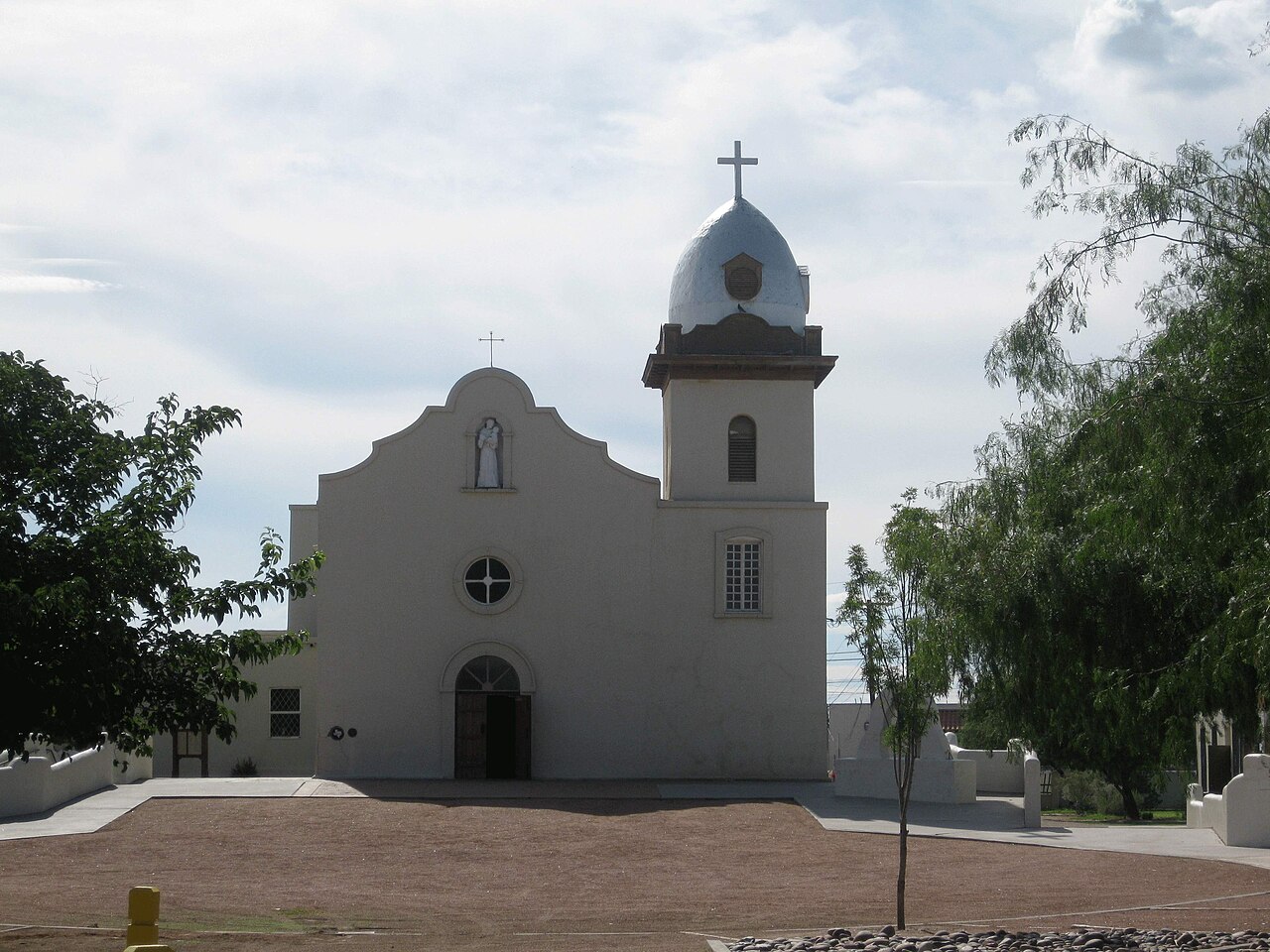
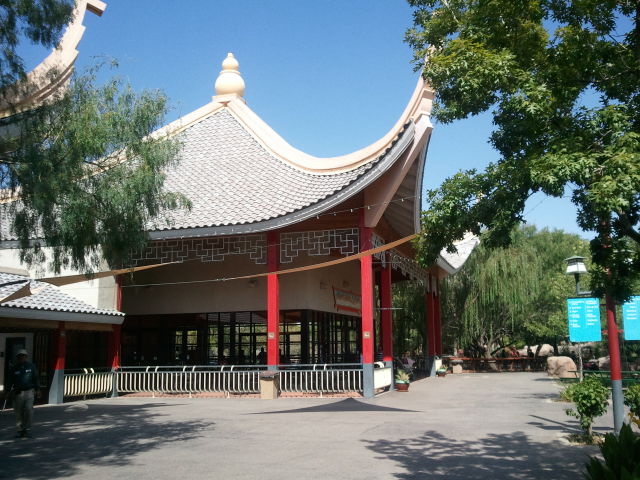
10 Images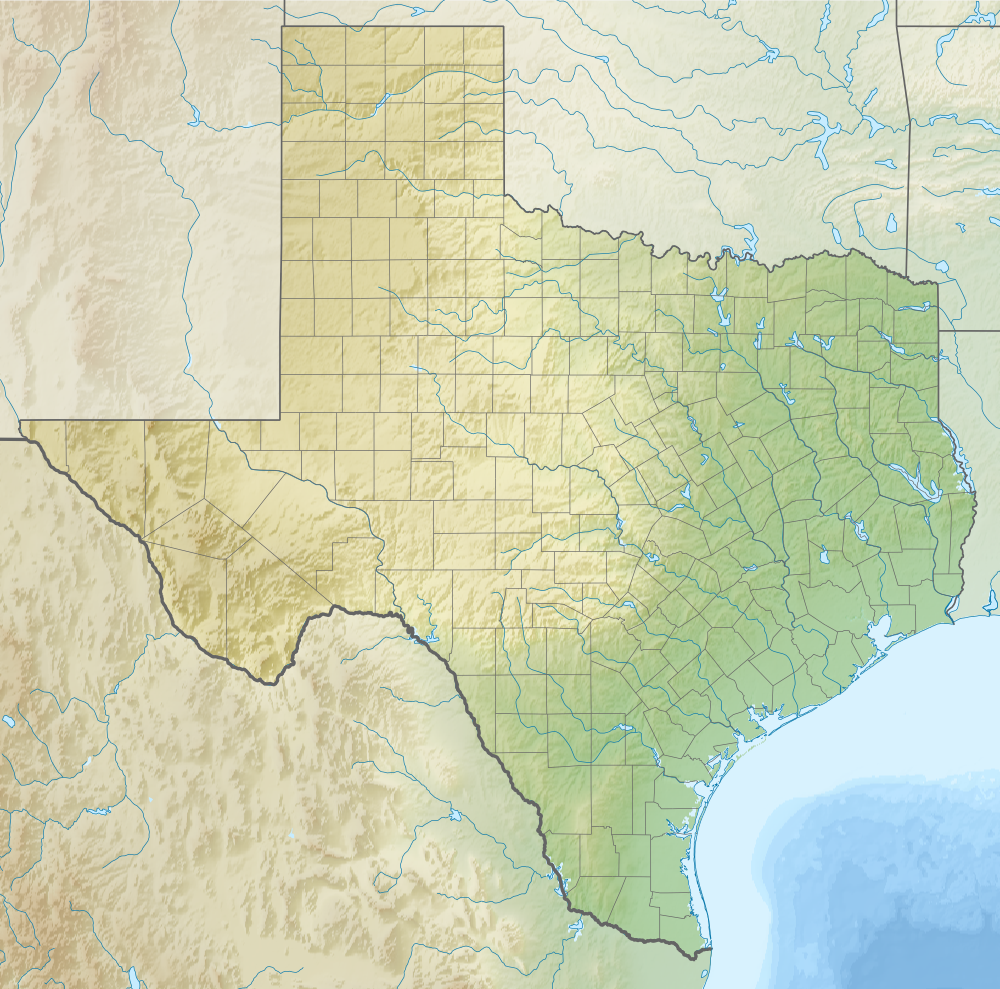



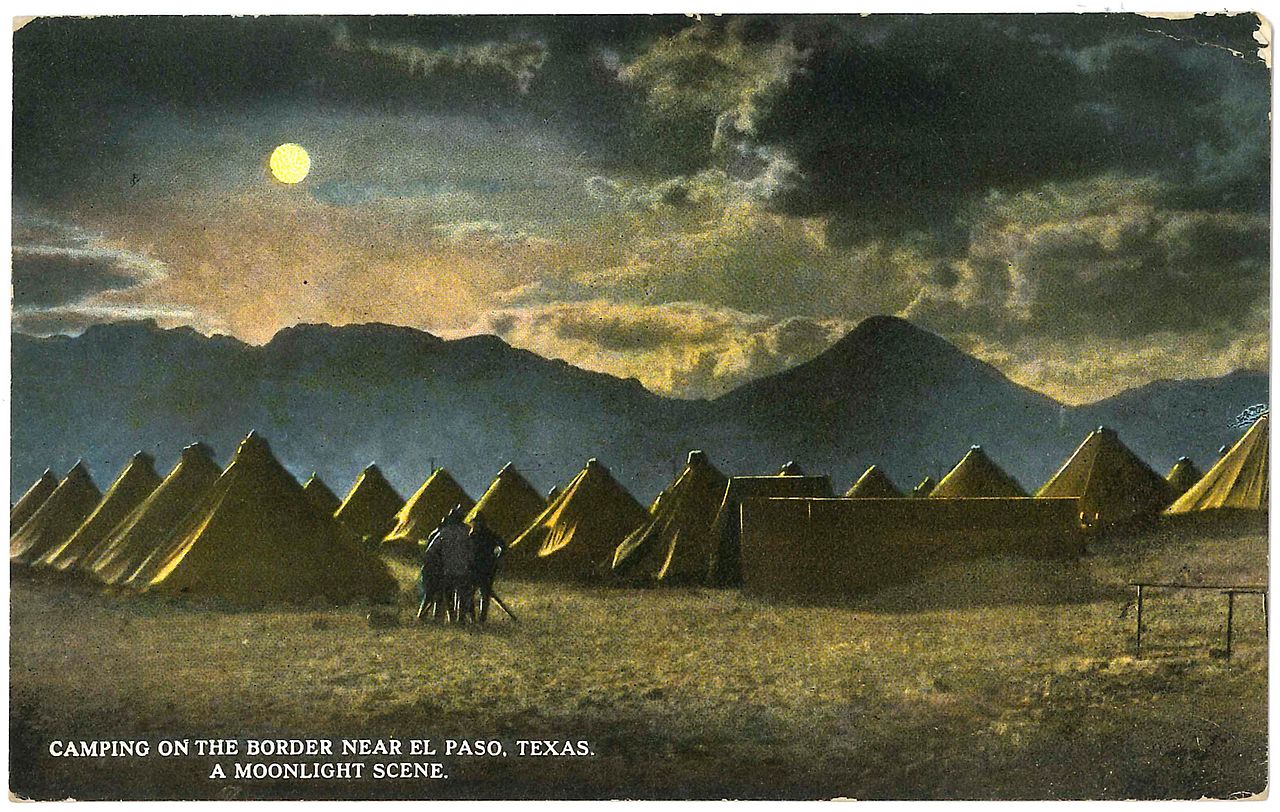


Geography and climate
El Paso lies at the intersection of desert plains and the Franklin Mountains in the Chihuahuan Desert. The city’s setting produces a desert climate characterized by hot summers, mild winters and low annual rainfall. Rivers, canyons and urban parks provide focal points for outdoor recreation despite the arid environment, and the Rio Grande remains the defining cross-border waterway.
History and development
The area now called El Paso has long been a crossroads of Indigenous peoples, Spanish colonial routes, Mexican territory and American settlement. Its growth accelerated with 19th- and 20th-century rail and highway connections and with military and industrial investments. Cross-border ties with communities to the south have shaped daily life, commerce and family networks for generations.
Population, identity and culture
El Paso’s population is majority Hispanic; the city’s cultural life reflects strong Mexican-American and borderland traditions. According to the U.S. Census Bureau the 2020 count was 678,815 residents, placing El Paso among the largest cities in the United States and the sixth-largest in Texas. It is also one of the largest cities in the Southwestern United States, second in that region only to Phoenix in population size.
Economy, education and institutions
El Paso’s economy blends government, military, education, cross-border trade and services. Notable institutions include the University of Texas at El Paso (UTEP), which is a major research and educational anchor, and Fort Bliss, a large U.S. Army installation that influences employment and demographics. The city has received civic recognition, earning multiple All-America City awards in recent decades.
Notable facts and recent events
El Paso is widely recognized for its unique binational culture, strong community ties and lower crime rates compared with many other U.S. cities of similar size. The city also has experienced tragedies: for example, a mass shooting in August 2019 that resulted in the loss of 22 lives and prompted local and national conversations on public safety and community resilience; contemporary coverage and official accounts document that event in detail (reports and resources). For further reading on municipal government, tourism, economic development and statistics, see local and federal resources linked below.
- County government and services
- Demographic and cultural profiles
- County seat information
- City overview and visitor guides
El Paso remains an important southwestern hub where geography, history and contemporary life intersect along an international border. Its blend of traditions, institutions and landscapes makes it a distinctive American city with deep regional and international connections.
Related articles
Author
AlegsaOnline.com El Paso, Texas Leandro Alegsa
URL: https://en.alegsaonline.com/art/30575
Sources
- ↑
- visitelpaso.com : "Visit El Paso, Texas" · archive.is
- elpasotimes.com : elpasotimes.com
- factfinder2.census.gov : "American FactFinder"
- geonames.usgs.gov : "US Board on Geographic Names"
- commons.wikimedia.org : El Paso, Texas