
Fort Worth, Texas
Fort Worth is a major North Texas city known for its western heritage, cultural institutions, and role in the Dallas–Fort Worth metroplex; it is the county seat of Tarrant County.
Overview
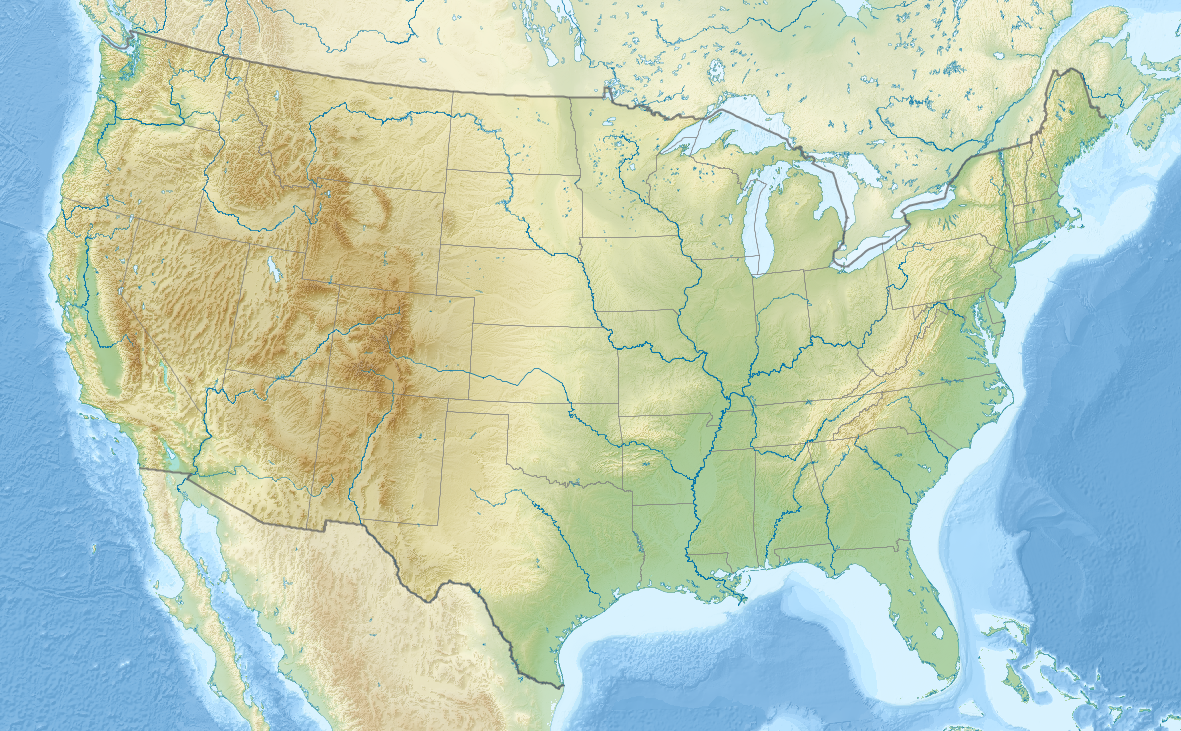
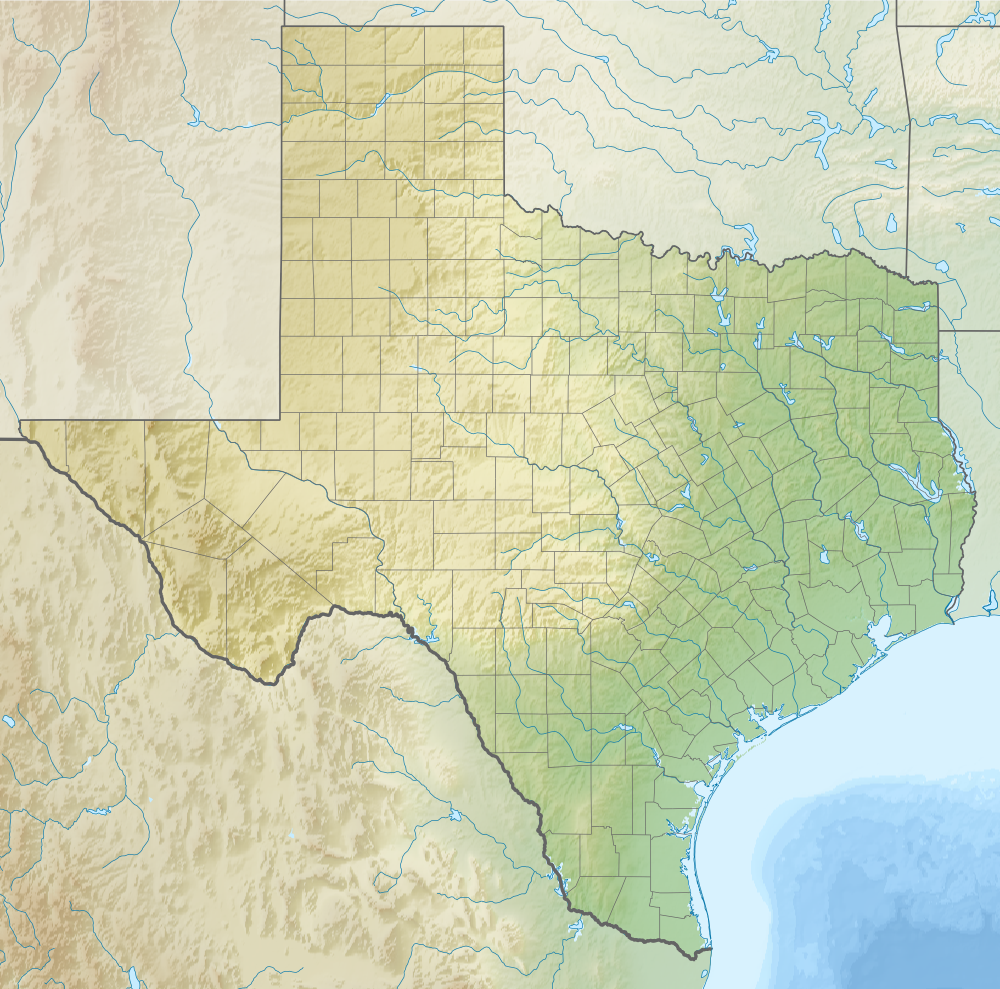
Fort Worth is a large city in North Texas often described as the fifth-largest city in the state and a significant member of the Dallas–Fort Worth metropolitan area. It sits adjacent to Dallas and together they form one of the United States' largest urban regions. Fort Worth's size and growth have made it tightly linked to its neighbor, yet the city retains a distinct identity shaped by both modern development and historical roots. For a quick reference to its rank within the state, see fifth-largest city, and to locate it within its state context visit Texas. Its national position is noted by many sources as the 16th-largest city in the United States.
Image gallery
10 Images


Geography and government
Fort Worth is the county seat of Tarrant County, serving as a regional center for government and public services. The city's role as county seat is often highlighted in civic materials; for official county information see county seat and specific county resources at Tarrant County. The metropolitan arrangement with Dallas produces a continuous urban corridor, commonly called DFW, with shared transportation, business, and cultural ties.
History and character
Founded in the mid-19th century as a military outpost, Fort Worth later developed into a major stop on cattle trails and a center for livestock trading. That western and ranching heritage remains an important part of the city's identity; local festivals, museums, and the preserved Stockyards celebrate the cowboy era while the city has expanded into diverse industries and neighborhoods. Fort Worth balances respect for its past with ongoing urban growth and demographic change.
Landmarks, arts, and entertainment
The city hosts a range of cultural institutions and entertainment districts. Notable downtown destinations include Sundance Square and the West 7th area, both offering dining, performance venues, and nightlife. The Fort Worth Stockyards preserve rodeo traditions and host regular events that attract visitors. Important cultural sites and civic attractions include museums, performing-arts centers, and professional sports and racing venues such as the Texas Motor Speedway.
Economy and significance
Fort Worth's economy mixes manufacturing, aviation, energy, logistics, and service industries. Proximity to a major airport, a strong transportation network, and regional corporate headquarters contribute to employment and growth. The city also supports higher education, research, and a growing arts scene, making it an influential partner within the larger DFW economy.
Visiting and notable facts
- Historic districts like the Stockyards offer rodeos and western-themed shops.
- Downtown areas such as Sundance Square provide theaters, restaurants, and public plazas.
- Regional attractions and events draw visitors throughout the year.
Fort Worth is therefore often described as a place where western tradition and contemporary urban life intersect: a major Texan city with its own cultural footprint inside the broader Dallas–Fort Worth metropolis.
Related articles
Author
AlegsaOnline.com Fort Worth, Texas Leandro Alegsa
URL: https://en.alegsaonline.com/art/35791