
Sleep deprivation: causes, effects, treatment, and societal impact
Comprehensive overview of sleep deprivation: definitions, causes, acute vs chronic forms, cognitive and physical effects, treatments and prevention, plus therapeutic uses and misuse.
Overview
Sleep deprivation is the condition of obtaining less sleep than is needed to support optimal functioning. It may be transient (acute) or long-lasting (chronic) and affects both brain activity and bodily systems. Researchers study how insufficient sleep changes attention, memory, mood, metabolism and immune function. For a brief definition and basic context see definition and basics.
Image gallery
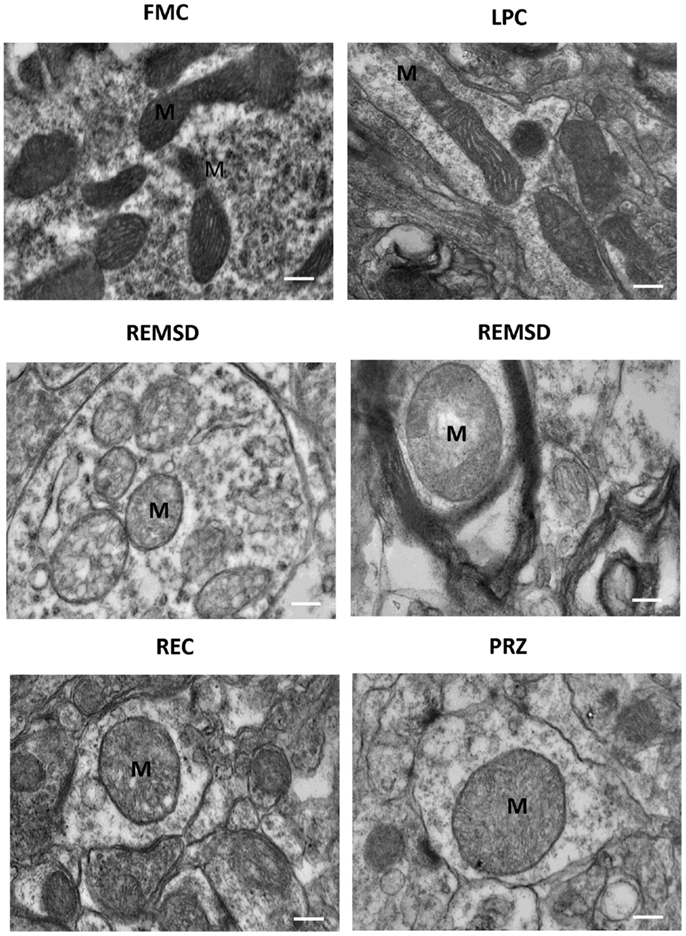
5 Images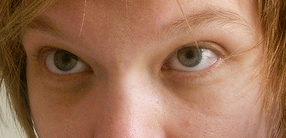


Causes and contributing factors
Multiple, often overlapping factors can lead to insufficient sleep. Common contributors include work schedules and shift work, social and family responsibilities, poor sleep habits (often called sleep hygiene), environmental noise or light, and psychiatric or medical conditions. Specific sleep disorders such as insomnia and obstructive sleep apnea reduce total sleep time and fragment sleep, worsening daytime impairment. Lifestyle choices such as excessive caffeine, alcohol, or screen use at night also play a role. For more on medical and occupational causes see causes and occupational links.
Typical effects and signs
The consequences of sleep deprivation affect cognition, mood and physiology. Day-to-day signs include sleepiness, slower reaction times, difficulty concentrating, impaired memory, irritability and lowered motivation. Physically, chronic short sleep is associated with metabolic changes, altered immune responses and greater cardiovascular risk. Acute total sleep loss can cause perceptual distortions and microsleeps; long-term patterns of insufficient sleep increase accident risk and reduce quality of life. The following list summarizes frequent outcomes:
- Cognitive slowing, attention lapses and memory problems
- Emotional instability and heightened stress reactivity
- Increased risk of workplace or driving accidents
- Metabolic and cardiovascular impacts with chronic insufficiency
Acute versus chronic sleep deprivation
Acute sleep deprivation describes a brief period of markedly reduced sleep, for example one all-nighter or several nights of poor rest; recovery is often possible with subsequent extended sleep. Chronic sleep deprivation refers to an ongoing pattern of insufficient sleep relative to individual needs, which can produce cumulative deficits and longer-term health consequences. Clinical assessment distinguishes these patterns when planning treatment; see acute and chronic distinctions for additional context.
Diagnosis, treatment and prevention
Evaluation often begins with a medical and sleep history, sleep diaries, and sometimes overnight monitoring for suspected disorders like sleep apnea. Treatment addresses underlying causes: improving sleep hygiene, adjusting schedules, cognitive behavioral therapy for insomnia (CBT-I), treating medical contributors, or using short-term medication when appropriate. Preventive measures emphasize regular sleep timing, reducing stimulating substances before bed, optimizing the sleep environment, and workplace policies that limit extended shifts. Practical guidance and clinical resources are available via treatment resources.
Therapeutic use and misuse
Paradoxically, brief controlled sleep deprivation has been used experimentally and clinically as an adjunct in treating some cases of severe depression, usually under medical supervision and combined with other therapies. Conversely, forced sleep deprivation has been employed as an interrogation technique and a form of torture, with recognized ethical and legal concerns; contemporary discussions of human rights provide critical perspective on such misuse. For discussion of therapeutic and ethical issues see ethical considerations and therapies.
Understanding sleep deprivation requires attention to individual variability, social context and comorbid conditions. Because adequate sleep supports cognition, mood and long-term health, public health efforts, workplace policies and clinical practice increasingly recognize sleep as an essential component of well-being.
Questions and answers
Q: What is sleep deprivation?
A: Sleep deprivation is the condition of not having enough sleep.
Q: How does it affect the brain?
A: It affects the brain and its cognitive function.
Q: What are the two types of sleep deprivation?
A: The two types of sleep deprivation are chronic and acute.
Q: Is there any medical use for sleep deprivation?
A: Yes, paradoxically, it can be used to treat certain disorders such as clinical depression.
Q: Has it been used as a form of torture?
A: Yes, sleep deprivation has been used as a form of torture.
Q: What factors can cause or contribute to sleep deprivation?
A: Multiple factors can cause or contribute to sleep deprivation including poor sleep hygiene, lifestyle choices, work obligations,sleep disorders, and other medical conditions.
Q: How does a breathing disorder like apnea affect both duration and quality of sleep?
A: Sleep apnea, a breathing disorder that induces dozens of nightly awakenings may hinder both sleep duration and quality.
Related articles
Author
AlegsaOnline.com Sleep deprivation: causes, effects, treatment, and societal impact Leandro Alegsa
URL: https://en.alegsaonline.com/art/91075
Sources
- betterhealth.vic.gov.au : "Sleep deprivation"
- apa.org : "Sleep Deprivation" · web.archive.org
- ninds.nih.gov : National Institute of Neurological Disorders and Stroke – Brain Basics: Understanding Sleep
- fi.edu : "The Human Brain – Sleep and Stress"
- health.harvard.edu : "Harvard Heart Letter examines the costs of not getting enough sleep – Harvard Health Publications"
- web.mit.edu : "The Role of Magnesium in Fibromyalgia"
- decp.org : "Nystagmus testing in intoxicated individuals"
- pubmed.ncbi.nlm.nih.gov : 14653658
- books.google.com : Epilepsy: A Comprehensive Textbook
- bjp.rcpsych.org : "Sleep-loss as a possible mediator of diverse causes of mania"
- ts-si.org : Neural Link Between Sleep Loss And Psychiatric Disorders