
MMR vaccine: overview, schedule, safety, and public health importance
The MMR vaccine is a combined live attenuated vaccine that protects against measles, mumps and rubella. Two doses are highly effective and it is a key tool in preventing outbreaks and congenital rubella.
The MMR vaccine is a combined immunization formulated to protect against three viral diseases: measles, mumps and rubella. It contains live attenuated strains of each virus and is administered by injection. The vaccine is widely used in childhood immunization programmes and is recommended for people without evidence of immunity to these diseases. For general information see vaccine guidance.
Image gallery
7 Images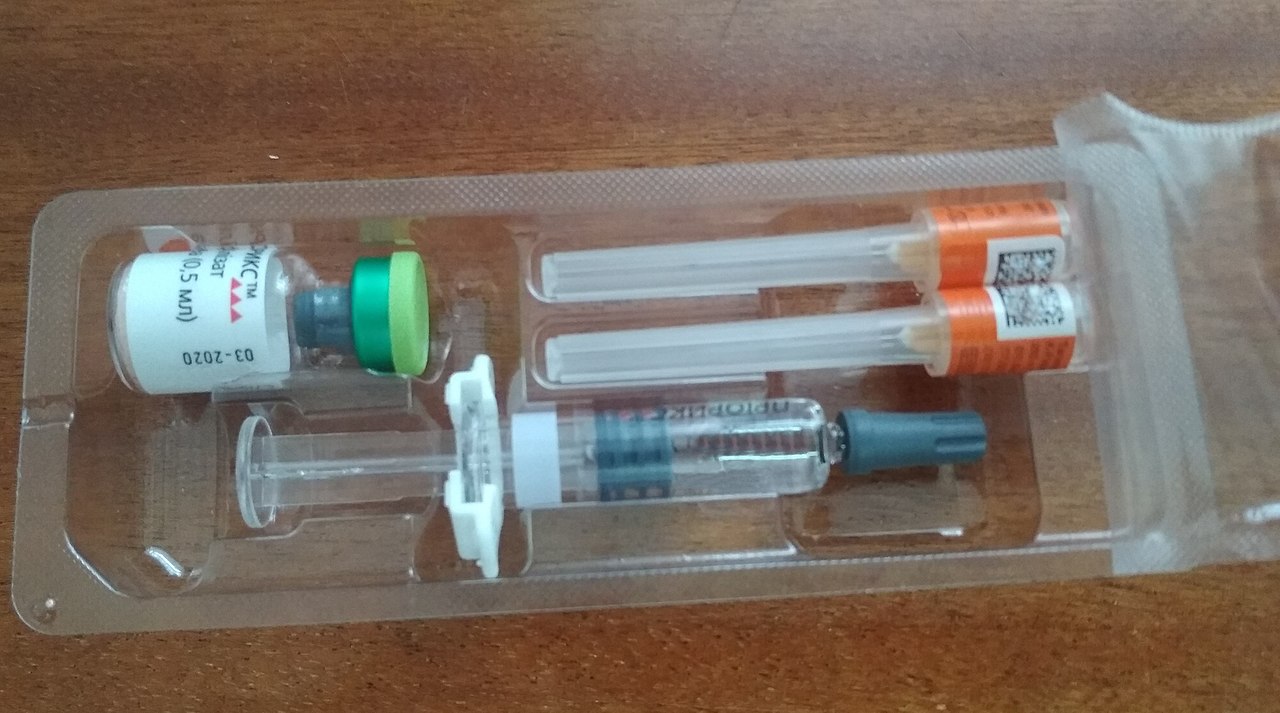


What it prevents
Measles can cause high fever, rash and serious complications such as pneumonia and encephalitis; mumps typically presents with swollen salivary glands and can rarely lead to meningitis or infertility in males; rubella (German measles) is usually mild in children but can cause severe congenital defects if a woman is infected during pregnancy. Reliable disease pages include measles, mumps and rubella.
Schedule and effectiveness
Typical schedules call for a first dose in infancy (commonly between about 9 and 15 months of age) and a second dose later in childhood (often between 15 months and 6 years), with at least four weeks between doses. After two doses, protection is high: roughly 97% against measles, at least 97% against rubella and about 88% against mumps. The vaccine is also advised for susceptible adolescents and adults and for people without documented immunity; see testing and eligibility guidance at immunity recommendations.
Safety, side effects and contraindications
Common side effects are mild and include fever, temporary rash and soreness at the injection site. Rare adverse events include febrile seizures and serious allergic reactions. Because it contains live virus, the MMR vaccine is generally not given during pregnancy or to people with severe immunosuppression, although it may be used in persons with well-controlled HIV infection under medical supervision. Large studies have found no link between the MMR vaccine and autism; the original claim that suggested such a connection was discredited and retracted.
History and public health impact
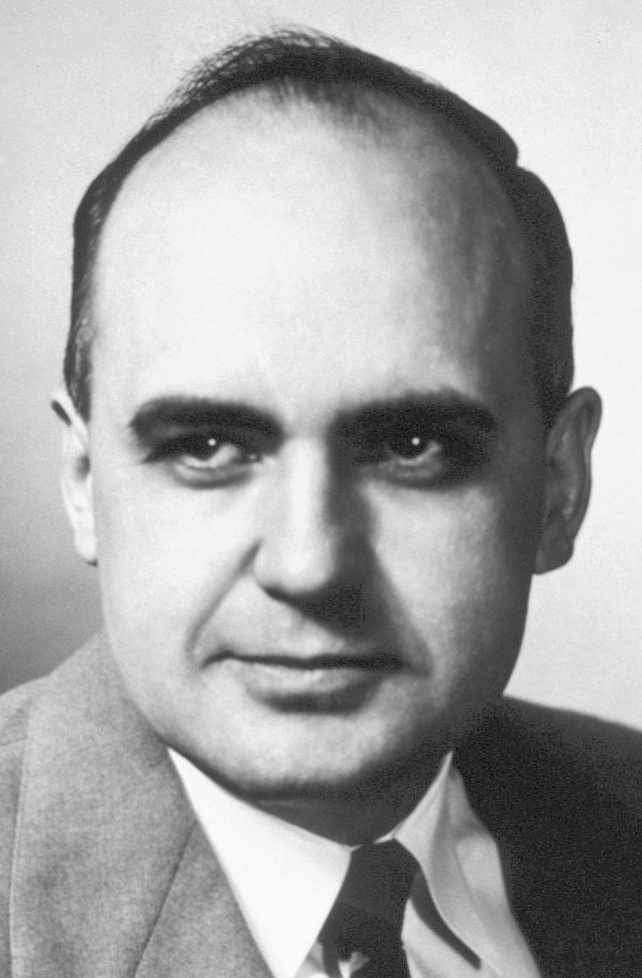
The combined measles–mumps–rubella vaccine replaced earlier separate preparations and became a cornerstone of childhood immunization programmes in many countries. High coverage with two doses has dramatically reduced incidence, hospitalizations and deaths from these diseases and is essential for preventing outbreaks and protecting pregnant women from rubella infection.
Practical considerations
- Administration: usually by subcutaneous or intramuscular injection.
- Catch-up: people without documented vaccination or immunity are often advised to complete a two-dose series.
- Outbreak response: targeted vaccination campaigns can quickly raise immunity in affected communities.
For further reading and local recommendations, consult official public health resources or your healthcare provider. Additional authoritative resources are indicated at vaccine guidance and the disease information links above.
Related articles
Author
AlegsaOnline.com MMR vaccine: overview, schedule, safety, and public health importance Leandro Alegsa
URL: https://en.alegsaonline.com/art/65640
Sources
- books.google.ca : Vaccines: Are they Worth a Shot?
- cdc.gov : "MMR Vaccination What You Should Know Measles, Mumps, Rubella"
- pubmed.ncbi.nlm.nih.gov : 28459148
- hiv.uw.edu : "Core Concepts - Immunizations in Adults - Basic HIV Primary Care - National HIV CurriculumImmunizations in Adults"
- pubmed.ncbi.nlm.nih.gov : 9639369