
Meuse (department)
Meuse is a department in northeastern France, named for the Meuse river. Its prefecture is Bar-le-Duc; the area is known for rural landscapes, World War I history at Verdun, and agricultural economy.
The Meuse department lies in eastern France and takes its name from the Meuse River that crosses the area. It is part of the Grand Est administrative region; for more administrative details see Grand Est and general information at Meuse (official). The department's prefecture is Bar-le-Duc, which serves as the main administrative and cultural center; other towns and sites are described below. Population estimates have been relatively low and dispersed: around 193,000 inhabitants in the early 21st century (2006 estimate).
Image gallery
7 Images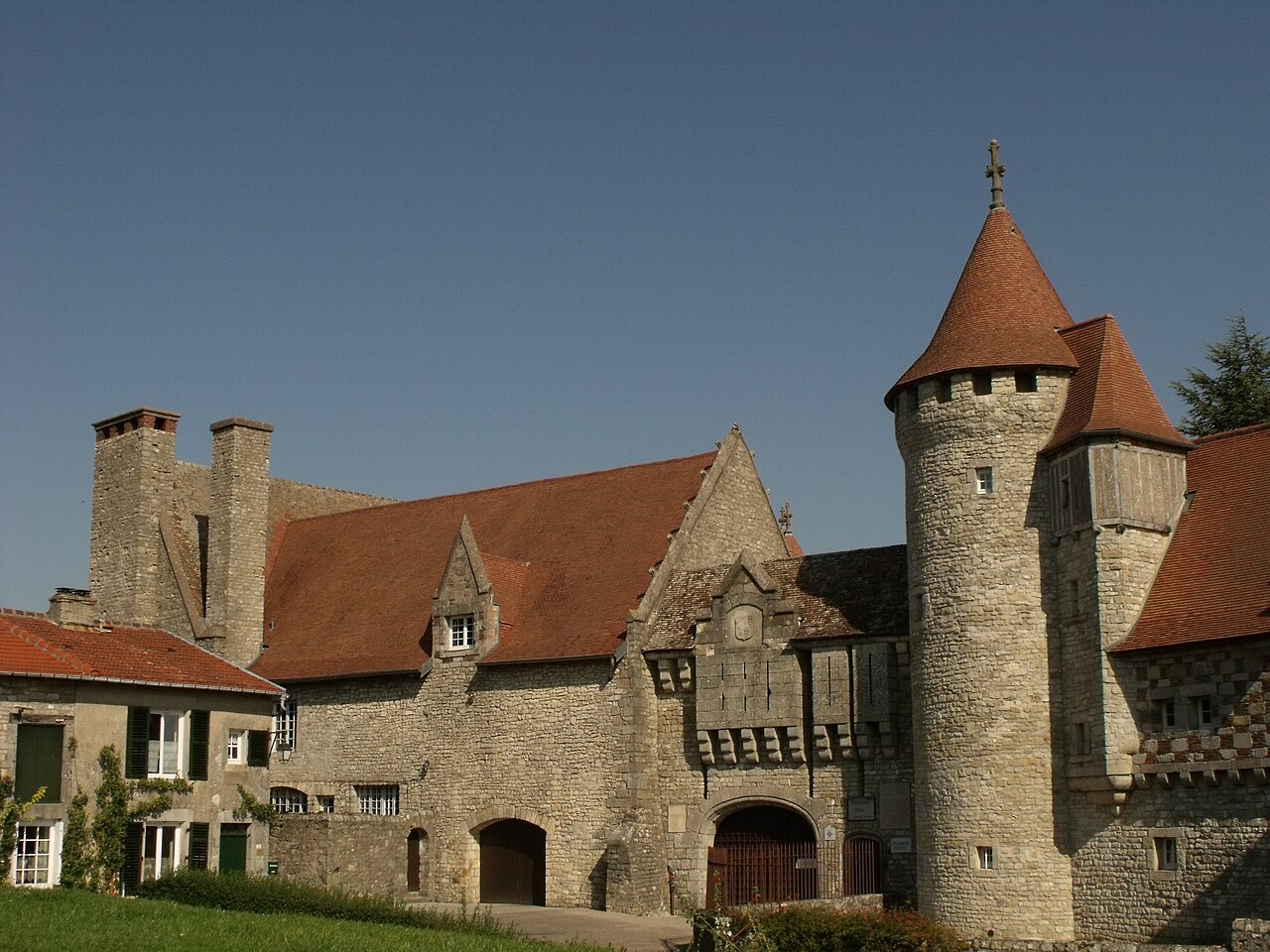


Geography and landscape
Meuse is characterised by river valleys, forests and agricultural plateaus. The Meuse River is the defining physical feature and has shaped local settlement and transport. The climate is generally temperate with continental influences, producing warm summers and cool winters. Rural land use dominates, with fields, pastures and wooded areas forming the bulk of the territory.
History
Created during the French Revolution as one of the original 83 departments, Meuse has a long administrative history tied to national reforms of the late 18th century. It is also widely known for the events of the First World War: the 1916 Battle of Verdun and associated battlefields and memorials remain central to the department's historical identity and attract visitors and scholars alike.
Administratively the department is organised around a prefecture and subprefectures; consult regional references and local government pages for current divisions and services via regional administration or prefectural services. Transport infrastructure links towns to larger cities in Grand Est and beyond, while agriculture and small-scale industry form the economic backbone.
Economy, culture and tourism
- Agriculture: cereals, livestock and mixed farming predominate in the countryside.
- Heritage tourism: visitors come to museums, memorials and conserved battlefields around Verdun.
- Local crafts and markets: small towns host markets and regional culinary specialities.
For practical visits or further reading see departmental resources and tourist information at local tourism and municipal portals such as those linked from the prefecture page. Meuse remains a largely rural department with significant historical importance and a landscape shaped by its river and past.
Notable place names, sites and public institutions are best confirmed via official portals and up-to-date guides; this article gives an overview rather than exhaustive administrative or demographic detail. For more on individual towns and sites, consult dedicated entries and local sources, including the municipal pages linked above and other regional references at Meuse info or Bar-le-Duc services.
Related articles
Author
AlegsaOnline.com Meuse (department) Leandro Alegsa
URL: https://en.alegsaonline.com/art/64303