
1880
1880, a leap year at the close of the 19th century, marked political shifts, expanding industrial technology, cultural movements, and accelerating global colonial activity.
Overview
1880 was a year in the late 19th century characterized by rapid industrialization, international political contests, and cultural change. It sits within a period when steam and coal remained dominant energy sources while electricity and telephony were moving from laboratory demonstration toward commercial use. Colonization, urbanization, and the standardization of public institutions intensified worldwide.
Image gallery
10 Images




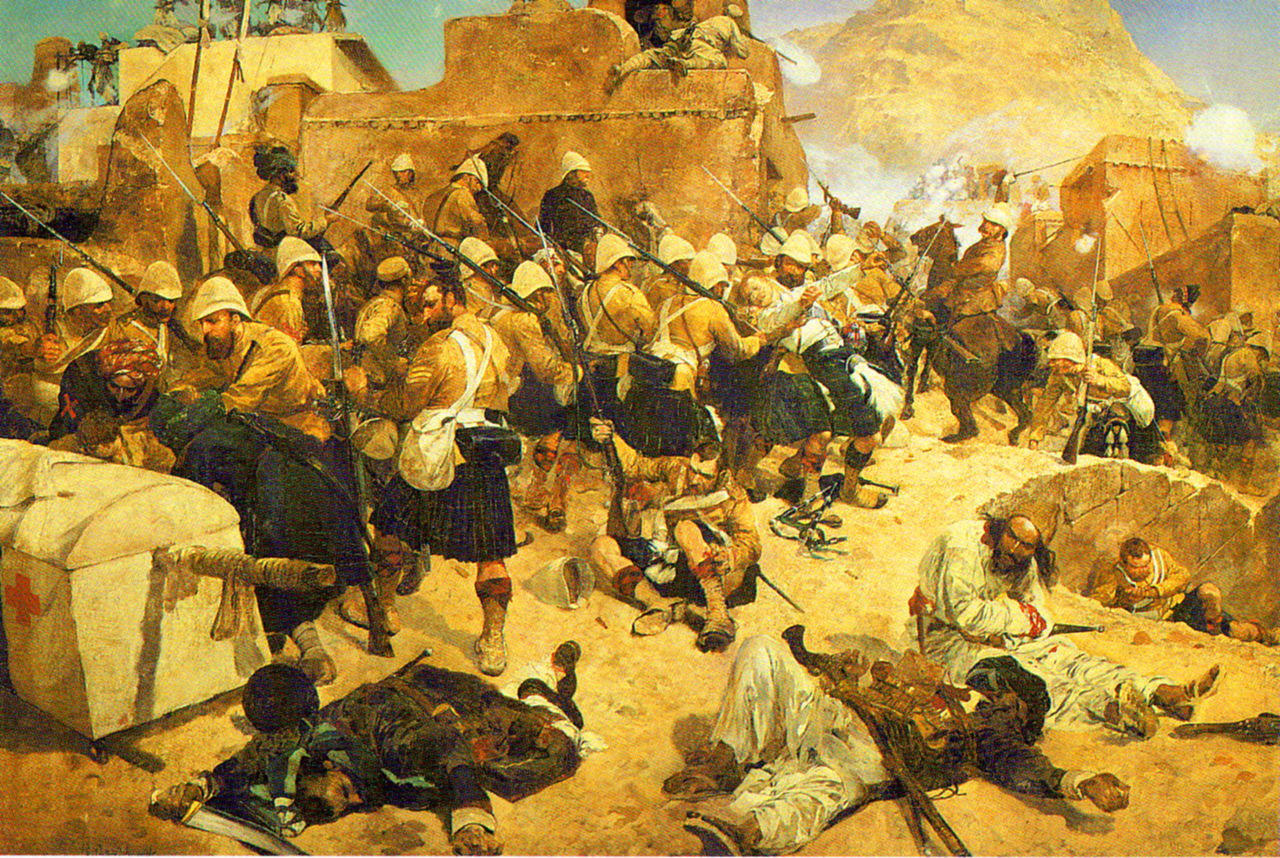
Politics and conflicts
Several national elections, imperial campaigns, and local uprisings shaped political life in 1880. In the United States the presidential election produced a change in leadership at a time when industrial expansion and westward settlement were pressing political questions. Elsewhere, military confrontations and colonial administration reflected the growing influence of European powers in Africa and Asia, and many regions experienced state reforms that strengthened central authority and public administration.
Science, technology and industry
The year saw practical advances that helped move new technologies into common use. Electric lighting, telephones, and improved engineering for railways and factories began to alter daily life and commerce in cities. Industries for coal, steel, and petroleum continued to expand, supporting infrastructure such as rail networks and urban utilities. Engineers and inventors refined devices that would underpin later mass electrification and mechanized transport.
Society and culture
Cultural life in 1880 reflected both continuity and change. Literature, visual arts, and music were influenced by movements that reacted to industrial modernity and urban life. Educational systems and social welfare arrangements were gradually extended in many countries, with governments increasingly focused on literacy, public health, and compulsory schooling for children.
Economy, exploration and notable developments
- Economic growth remained linked to coal, railways, and factories, while investment in new technologies rose.
- European imperial expansion intensified in parts of Africa and Asia, setting the scene for diplomatic conferences in the years that followed.
- Urban populations continued to grow, prompting municipal reforms in transportation, sanitation, and public services.
Notable facts
1880 was a leap year. It belongs to a decade often seen as the threshold between older 19th‑century industrial patterns and the more electrified, globally interconnected world that would take shape in the closing years of the century and beyond.
Related articles
Author
AlegsaOnline.com 1880 Leandro Alegsa
URL: https://en.alegsaonline.com/art/111848