
Memorial Stadium (Bristol)
Sports ground in Bristol, England, serving as a war memorial and the long-standing home of Bristol Rovers F.C.; used for football, formerly for rugby, and for community events.
The Memorial Stadium is a sports ground in Bristol, England. It is principally known as the home of Bristol Rovers F.C. and as a commemorative facility originally established to honour local rugby union players killed during World War I. The ground combines sporting use with memorial purpose, making it both a sporting venue and a site of local remembrance.
Image gallery
2 Images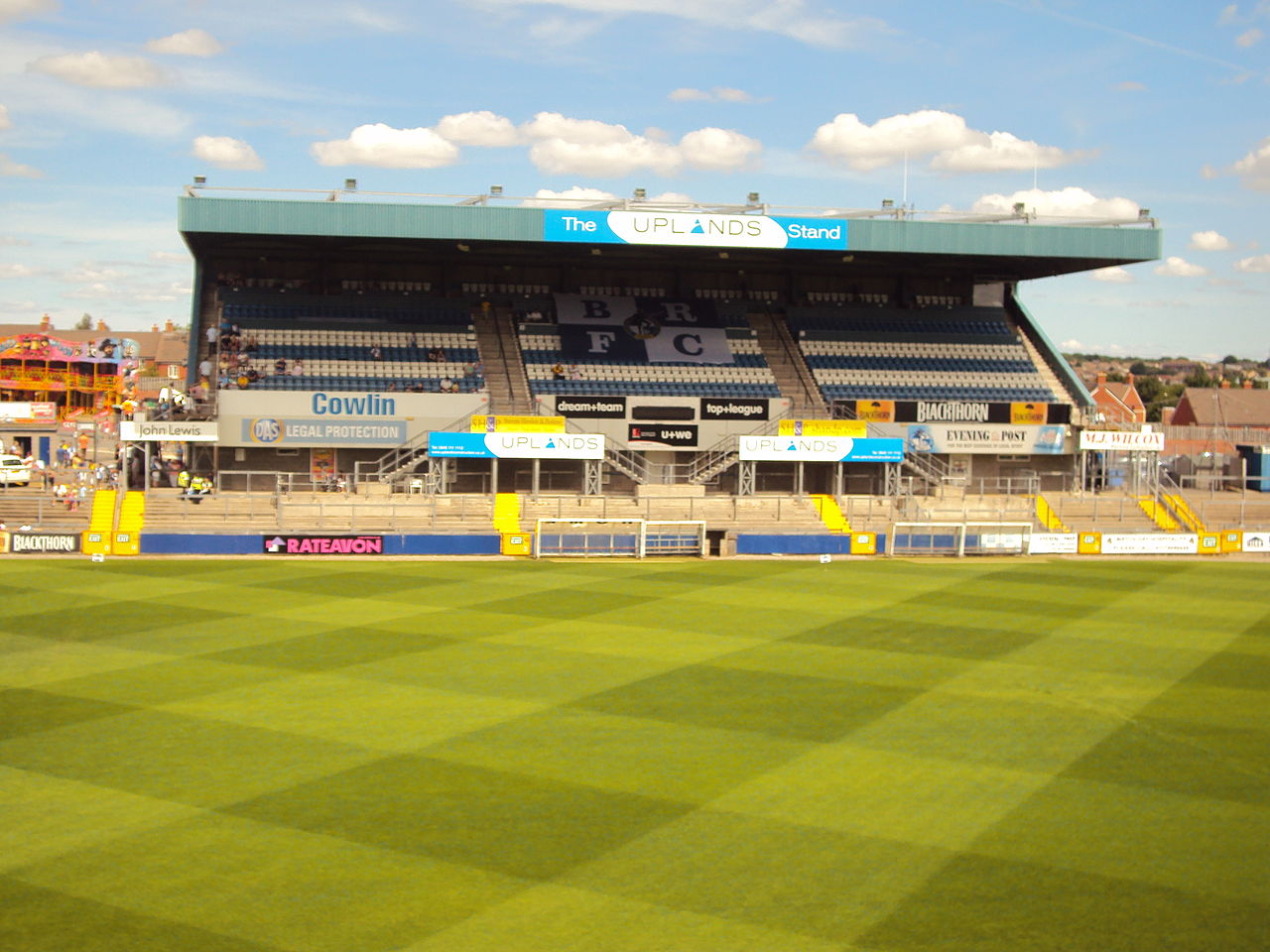

Origin and historical role
The stadium was created in the years after the First World War as a tangible tribute to those lost from the city’s rugby community. Over time it developed into a familiar sports venue for both rugby and association football. Its status as a memorial influenced early design choices and the inclusion of commemorative features in and around the ground.
Layout and facilities
The site consists of a main pitch, spectator stands and terraces, changing rooms, and ancillary spaces such as a clubhouse and community rooms. The architecture is functional rather than ornate, reflecting its dual role as a working sports ground and a remembrance site. Periodic renovations have upgraded spectator facilities, safety measures and accessibility while retaining the venue’s traditional character.
Sporting use and tenants
While best known today for hosting league football matches, the stadium has a history of multi-sport use. Its long association with Bristol Rovers has made it a focal point for local fans, and the ground has also accommodated rugby fixtures and lower-profile community sports events.
Community importance and events
Beyond competitive matches, the Memorial Stadium hosts memorial services, youth sports, and occasional non-sporting community events. Its role as a civic landmark gives it cultural significance that extends beyond the pitch, serving as a place where sporting life and local memory intersect.
Notable facts and distinctions
- The stadium is an example of a sports venue deliberately established as a war memorial, linking athletic activity with commemoration.
- It has adapted over decades to meet changing safety standards and spectator expectations while preserving commemorative elements.
- Although primarily a football ground today, its origins and earlier use reflect Bristol’s broader sporting history, including rugby union traditions.
Related articles
Author
AlegsaOnline.com Memorial Stadium (Bristol) Leandro Alegsa
URL: https://en.alegsaonline.com/art/63742