
Cetartiodactyla: whales, dolphins and even-toed ungulates
Cetartiodactyla is a modern grouping that unites cetaceans (whales, dolphins) with even-toed ungulates, reflecting evolutionary, anatomical and genetic evidence linking these mammals.
Overview
Cetartiodactyla is a taxonomic grouping that brings together two familiar sets of mammals: the fully aquatic cetaceans and the terrestrial even-toed ungulates. The name combines the older order names Cetacea and Artiodactyla to reflect current scientific understanding that whales and their kin are nested within the larger artiodactyl radiation. This redefinition emphasizes descent and shared ancestry rather than purely external habit.
Image gallery
10 Images




Main groups and characteristics
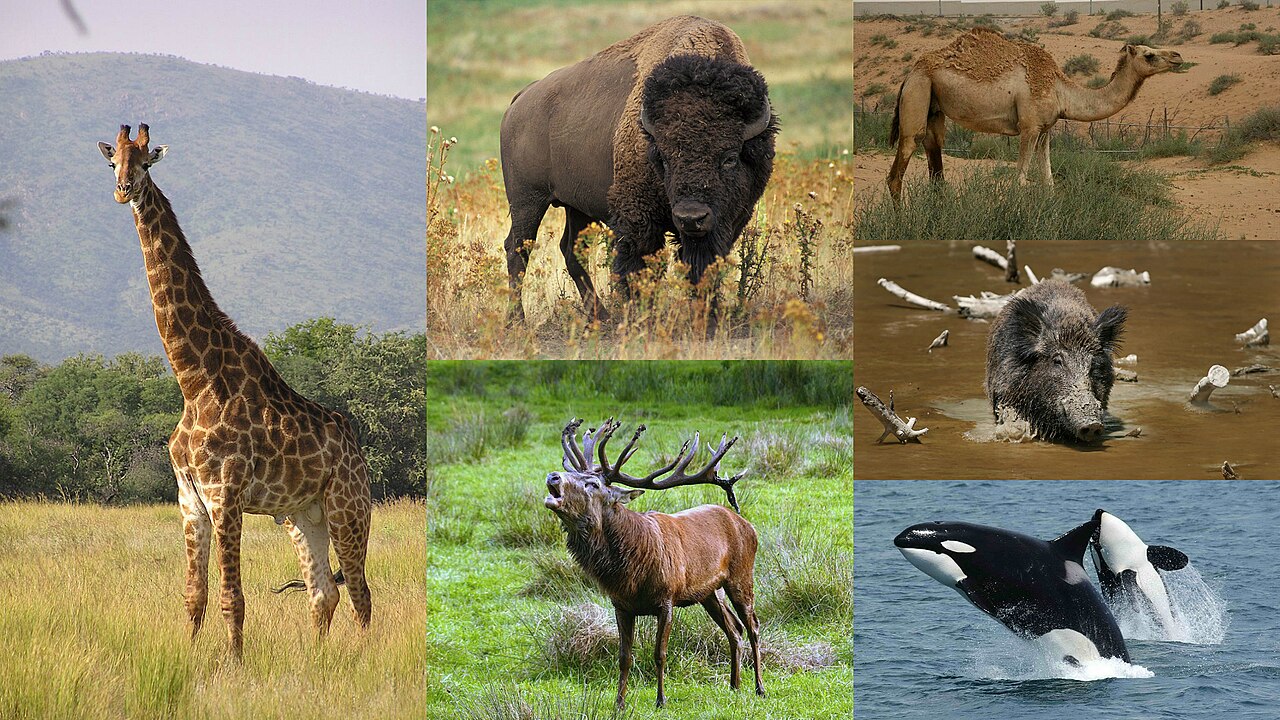
The clade includes two major components and several well-known families:
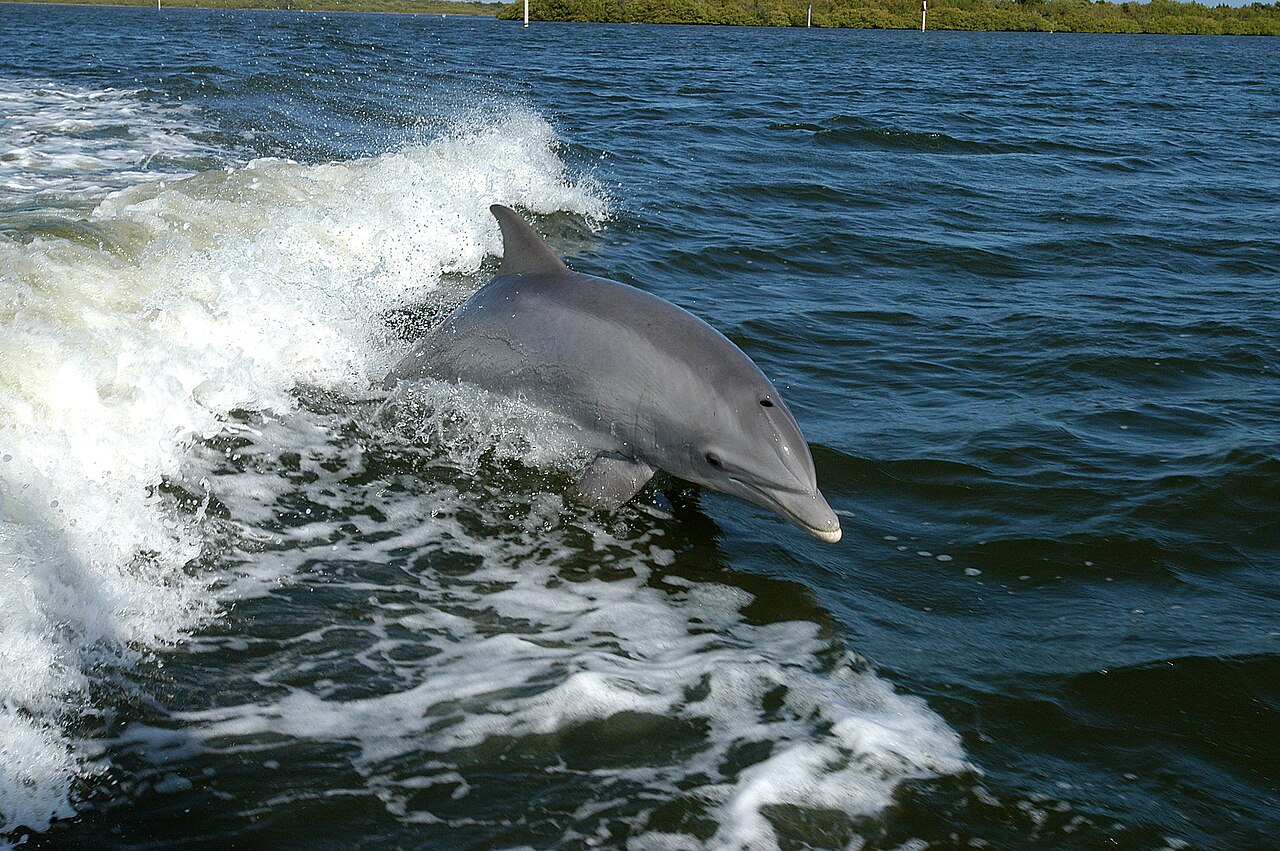
- Cetaceans — whales, porpoises and dolphins such as the large baleen whales and the toothed dolphins; see whales and dolphins for examples.
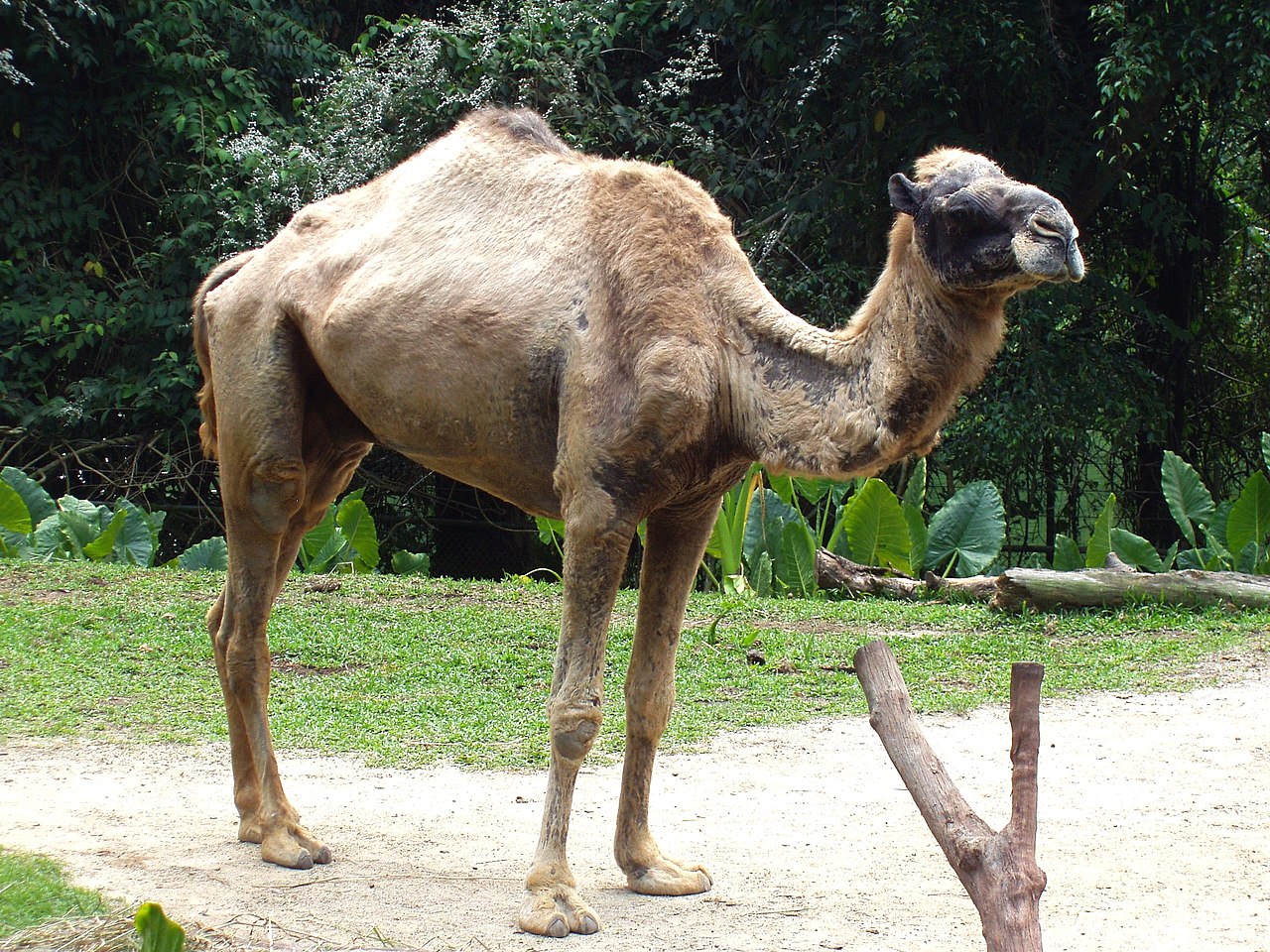
- Even-toed ungulates — terrestrial mammals with an even number of toes on each foot, including cattle, deer, pigs, giraffes, camels and hippopotamuses.
Evidence and evolutionary history
Molecular studies and comparative anatomy have shown that cetaceans evolved from within the artiodactyl lineage. Genetic analyses and fossil discoveries support a transition from land to water: early whale-like fossils display limb and skull features intermediate between terrestrial artiodactyls and modern whales. Scientists commonly state that whales evolved from artiodactyl ancestors during the early Cenozoic, a process that unfolded over millions of years and led to profound adaptations for an aquatic life.
Notable relationships and adaptations
One of the striking outcomes of this research is the recognition that the closest living terrestrial relatives of whales are hippopotamuses. Many studies therefore emphasize the close link to the hippopotamus. Anatomical clues, such as aspects of ear bones and ankle structure in fossil artiodactyls, together with DNA evidence, underpin this relationship. Cetaceans evolved streamlined bodies, blubber, and modified limbs for swimming, while many artiodactyls developed specialized digestive systems (rumination) and limb structures for cursorial or browsing lifestyles.
Classification and terminology
Not all references adopt a single label: some taxonomies retain separate orders for Cetacea and Artiodactyla, while others use the combined name Cetartiodactyla or prefer rank-free clade names. The grouping is an example of how modern phylogenetics has reshaped traditional classification to reflect evolutionary history rather than only superficial similarity. For a concise definition as a taxonomical category and its rank as a superorder, consult standard zoological resources.
Importance and diversity
Cetartiodactyla encompasses a wide range of ecological roles: grazers and browsers that shape terrestrial plant communities, and marine predators that influence ocean food webs. The group includes some of the largest animals ever to have lived, and species vary greatly in social behavior, reproduction and conservation status. Understanding this clade clarifies how dramatic evolutionary transitions—such as a return to the sea—can arise from common terrestrial ancestors.
Further reading and introductory resources can provide more detail on specific families, fossil taxa and the molecular work that united these mammals under a single evolutionary framework.
Related articles
Author
AlegsaOnline.com Cetartiodactyla: whales, dolphins and even-toed ungulates Leandro Alegsa
URL: https://en.alegsaonline.com/art/18261