
Middle East Respiratory Syndrome (MERS)
MERS is a viral respiratory illness caused by MERS‑CoV, first reported in Saudi Arabia in 2012. It can cause severe pneumonia and has been associated with zoonotic exposure and transmission in healthcare settings.
Middle East Respiratory Syndrome (MERS) is a viral respiratory disease first reported in Saudi Arabia in 2012. The illness is caused by a coronavirus named MERS-CoV, a member of the betacoronavirus genus. Coronaviruses form a large family; some cause mild human respiratory infections commonly described as common colds, while others have produced more serious outbreaks in people. For background on related mild infections see common cold coronaviruses.
Image gallery
4 Images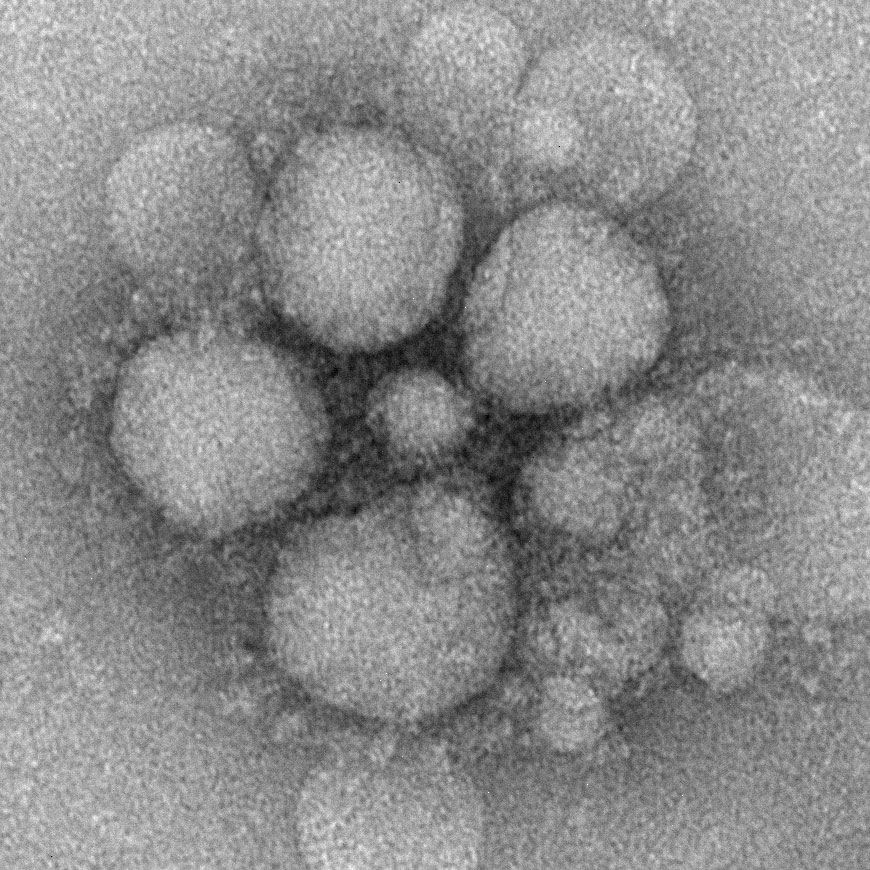


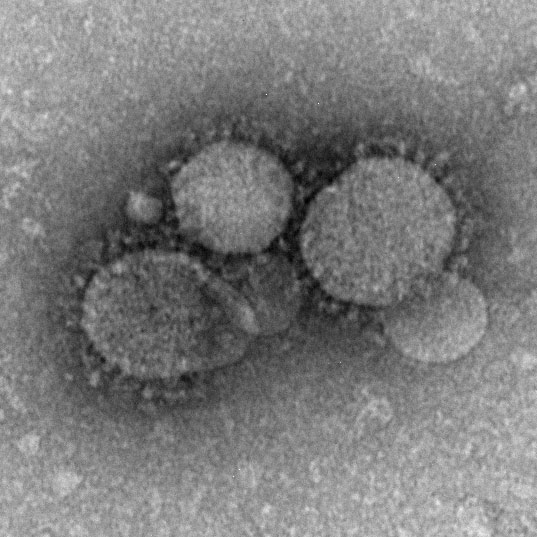
Key characteristics
MERS typically presents with fever, cough and shortness of breath; severe cases progress to pneumonia and sometimes kidney failure. Reported case-fatality ratios have been substantially higher than for seasonal respiratory viruses, though estimates vary by outbreak and clinical setting. MERS-CoV is considered zoonotic: genetic evidence links the virus to bats, while dromedary camels are widely recognized as a major animal reservoir and a source of human exposure.
Transmission and clinical course
Human-to-human spread of MERS-CoV has been documented, but sustained community transmission has not been observed. Most transmission has occurred in close-contact settings, notably households and health-care facilities where infection control was incomplete. Symptoms range from asymptomatic or mild respiratory illness to severe acute respiratory disease requiring intensive care. Older adults and people with chronic medical conditions are at higher risk of severe illness.
Diagnosis, treatment and prevention
Diagnosis relies on laboratory tests such as reverse-transcription polymerase chain reaction (RT-PCR) on respiratory samples and, in some cases, serology. There is no widely approved specific antiviral treatment; clinical management focuses on supportive care and organ support as needed. Infection prevention emphasizes standard and droplet precautions in care settings, hand hygiene, respiratory etiquette, and reducing contact with potential animal sources, particularly dromedary camels and their raw products.
History, outbreaks and public health response
Since its identification, MERS has caused sporadic cases and several hospital-based outbreaks, including a notable cluster outside the Middle East in 2015. Public health agencies have emphasized surveillance, rapid laboratory testing, hospital infection control and investigation of animal-to-human links. Research into vaccines and targeted therapies has been active but, as of now, no universally available vaccine for general use has been established.
Notable distinctions and naming guidance
MERS is one of several emerging zoonotic coronavirus diseases alongside other serious respiratory syndromes. International health organizations have issued guidance to avoid geographic or cultural stigmatization when naming diseases; the World Health Organization and related bodies encourage neutral, descriptive names to reduce inadvertent blame or stigma, a principle often referenced in communication about MERS and other pathogens (WHO guidance and considerations on naming can be consulted via official channels). Discussions about stigma and naming conventions are further outlined in policy and communication resources (naming guidance and stigma prevention).
Questions and answers
Q: What is MERS?
A: MERS is a disease caused by a coronavirus whose label is MERS-CoV.
Q: Where was MERS discovered?
A: MERS was discovered in Saudi Arabia in 2012.
Q: What is the origin of MERS-CoV?
A: MERS-CoV originated in bats.
Q: What is the relation between MERS and SARS?
A: MERS is a relative of SARS virus.
Q: What are coronaviruses?
A: Coronaviruses are a family of viruses some of which cause common colds. They can infect both animals and people.
Q: Why did WHO make rules for naming viruses?
A: WHO made rules for naming viruses to prevent stigma, or blame.
Q: What is the example of what not to do when naming a virus or disease according to WHO rules?
A: MERS is an example of what not to do when naming a virus or disease according to WHO rules.
Related articles
Author
AlegsaOnline.com Middle East Respiratory Syndrome (MERS) Leandro Alegsa
URL: https://en.alegsaonline.com/art/64024
Sources
- time.com : "What's in a Name? Why WHO's Formal Name for the New Coronavirus Disease Matters"
- npr.org : "New Coronavirus Disease Officially Named COVID-19 By The World Health Organization"
- wikidata.org : wikidata.org/wiki/Q16654806
- id.loc.gov : sh2016002585