
Metastasis (spread of cancer cells)
Metastasis is the process by which cancer cells leave a primary tumor and establish new tumors elsewhere. This article explains mechanisms, common sites, diagnosis, treatment approaches and clinical importance.
Metastasis describes the process by which cancer cells move from the original (primary) tumor site and form new growths in other parts of the body. It is a complex, multi-step biological phenomenon that makes many cancers more difficult to cure. Metastatic tumors are composed of cells derived from the original cancer, but they can behave differently depending on their new environment.
Image gallery
10 Images


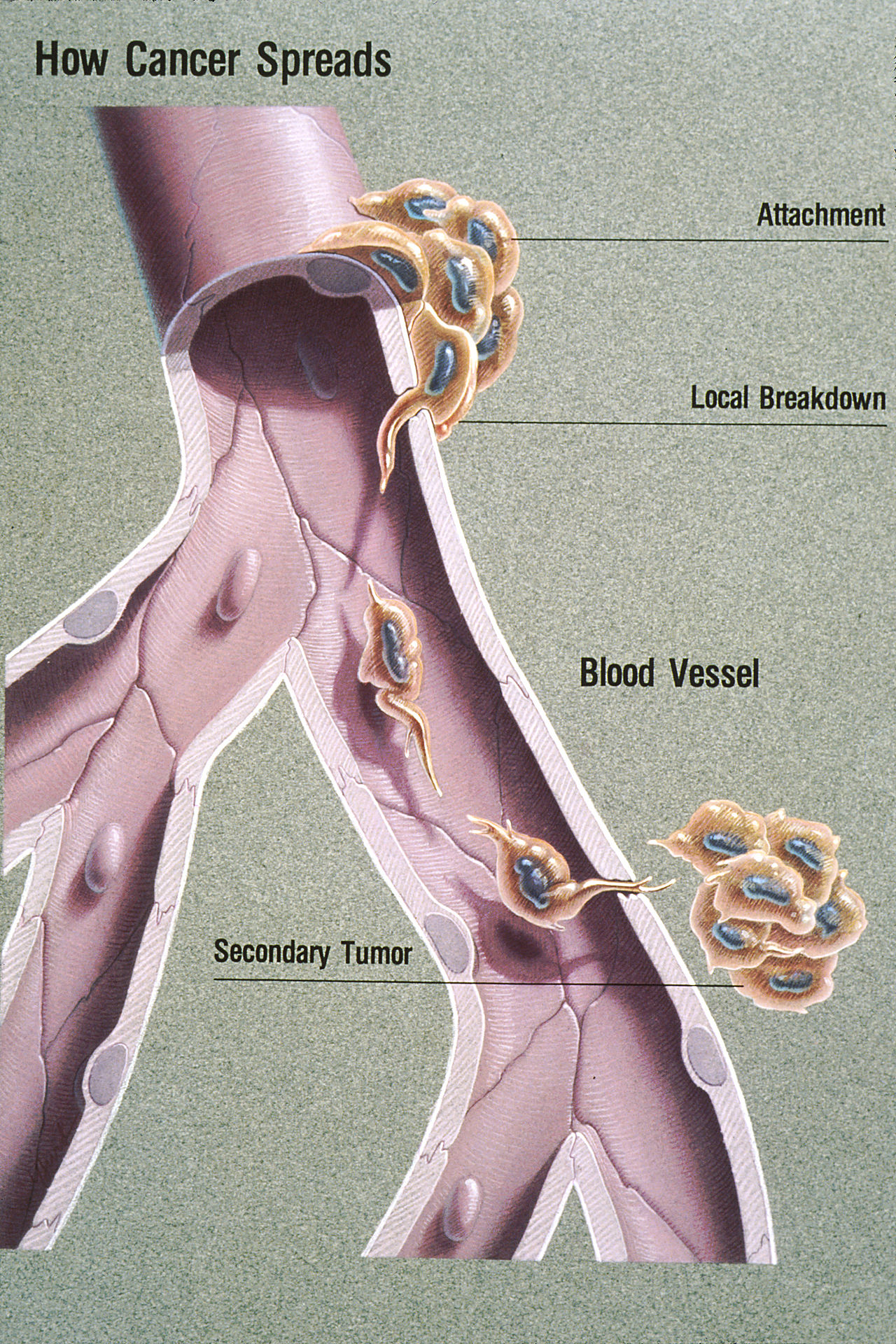


How metastasis occurs
The journey of metastatic cells typically follows several stages: local invasion of surrounding tissue, entry into the lymphatic system or bloodstream (intravasation), survival during transport, exit into distant tissue (extravasation), and colonization where new tumors grow. Cells often acquire molecular and behavioral changes that let them detach, move, and survive in circulation. Researchers describe this capability as involving changes in adhesion, motility, and resistance to stress.
Common routes and destinations
Cancer spreads most commonly through the lymphatic system and the blood. Certain organs are frequent targets for metastases — for example, many cancers spread to the bones, liver, lungs, and brain. Patterns of spread depend on tumor type, the anatomy of blood and lymph circulation, and the compatibility of the distant tissue microenvironment with tumor growth (a concept sometimes called the "seed and soil" relationship).
Diagnosis and monitoring
Metastasis is detected by imaging studies (such as CT, MRI, PET), biopsy of suspect lesions, and laboratory markers. Newer techniques include analysis of circulating tumor cells (CTCs) or tumor DNA fragments in blood, often called liquid biopsies, which can help monitor disease spread and molecular changes without invasive procedures. Accurate staging of metastatic disease guides treatment choices.
Treatment and clinical significance
Management of metastatic cancer depends on the extent and location of spread, the type of primary cancer, and patient goals. Options include local measures (surgery or radiation) to control specific lesions and systemic therapies (chemotherapy, targeted drugs, hormonal therapy, and immunotherapy) to address cancer throughout the body. In many cases, care focuses on prolonging life, controlling symptoms, and maintaining quality of life.
Because metastasis is the leading cause of cancer-related mortality, understanding and preventing the spread of cancer remains a major focus of research. Advances aim to detect metastasis earlier, interrupt the steps of dissemination, and develop therapies that specifically target metastatic cells. For more background and patient resources, see additional information.
Related articles
Author
AlegsaOnline.com Metastasis (spread of cancer cells) Leandro Alegsa
URL: https://en.alegsaonline.com/art/64179