
Mercury poisoning
Toxic effects caused by exposure to mercury and its compounds, their sources, clinical features, diagnosis, treatment, prevention, and notable historical incidents.
Overview
Mercury poisoning is the term for the harmful effects that occur after exposure to mercury in its elemental, inorganic, or organic forms. Mercury is a naturally occurring element found at low levels in the environment but it can become concentrated in certain settings and food chains. Human exposure occurs through contaminated food, occupational contact, artisanal mining, or incidental release from products and industry. The severity and pattern of illness depend on the chemical form of mercury, the dose, and the route and duration of exposure.
Image gallery
7 Images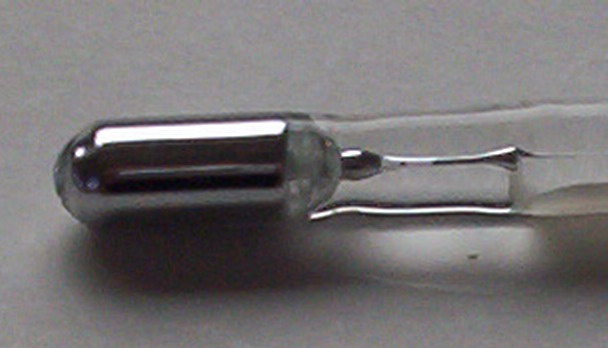






Forms, sources, and environmental behavior
Different chemical forms of mercury have distinct properties and health impacts. Elemental mercury (liquid metal or vapor) is primarily hazardous when inhaled as a vapor. Inorganic mercury compounds (salts) are typically associated with skin or gut exposure and kidney effects. Organic mercury, most importantly methylmercury, bioaccumulates in aquatic food chains and is a major route of human exposure through consumption of contaminated fish and shellfish.
- Natural sources: volcanic emissions and weathering of rocks.
- Anthropogenic sources: mining (especially small-scale gold mining), coal combustion, industrial processes, and legacy uses in products.
- Food chain: methylation by microbes in aquatic sediments concentrates mercury in predatory fish, posing risks to people who consume them regularly.
For further environmental context and monitoring information, see environmental resources and public health guidance.
Clinical features and mechanisms
Mercury affects multiple organ systems. Methylmercury primarily targets the central nervous system and developing fetal brain, giving rise to neurodevelopmental deficits, sensory disturbances, and coordination problems. Elemental mercury vapor is readily absorbed by the lungs and can cause tremor, behavioral changes, memory impairment, and, with high exposures, acute respiratory and neurological toxicity. Inorganic mercury salts can produce gastrointestinal irritation and renal damage. Common signs reported in poisoning cases include numbness or tingling, tremors, cognitive and mood changes, excessive salivation, gingivitis, and, in some people, hair loss.
Diagnosis and investigation
Diagnosis combines exposure history, clinical features, and laboratory testing. Measurement of mercury levels in blood, urine, and hair helps determine recent or chronic exposure and the likely chemical form. Hair mercury is often used as a marker of methylmercury exposure over weeks to months, while urine mercury can reflect inorganic or elemental exposure. Interpretation requires clinical context because measured concentrations must be correlated with symptoms and known toxic thresholds.
Treatment and prevention
Management includes removing the person from further exposure and providing supportive care. Chelation therapy with agents such as dimercaptosuccinic acid (DMSA) or dimercaprol (British Anti-Lewisite) may be used in selected cases under specialist supervision, but chelators are not a substitute for exposure control and are chosen based on the mercury form and clinical status. Prevention focuses on reducing environmental releases, dietary guidance to limit intake of high-mercury fish species (particularly for pregnant women and young children), safer mining practices, and regulatory actions such as international agreements to curb mercury pollution.
History, public health responses, and notable incidents
Historically significant episodes of mass mercury poisoning include the Minamata disease outbreak in Japan, caused by industrial discharges of methylmercury into coastal waters, and high-profile incidents of contamination in other regions. Such events drove research, stricter controls, and global initiatives to reduce mercury use and emissions. Contemporary public health measures emphasize surveillance, remediation of contaminated sites, community education, and international treaties. For policy and historical summaries see policy summaries and case studies.
Notable facts and distinctions
- Different mercury species produce different patterns of toxicity; treatment and monitoring depend on identifying the likely form.
- Fetal and early childhood exposure to methylmercury can cause irreversible developmental harm at lower doses than those producing symptoms in adults.
- Public health advice often balances nutritional benefits of fish with risks of mercury, recommending lower-mercury species for vulnerable groups.
For clinical resources, diagnostic thresholds, and patient guidance consult specialized sources and occupational health services: clinical guidance.
Related articles
Author
AlegsaOnline.com Mercury poisoning Leandro Alegsa
URL: https://en.alegsaonline.com/art/63921