
Media studies: scope, methods, history and contemporary debates
An overview of media studies: what it examines, common approaches and methods, historical development, practical applications, and ongoing debates about media effects, representation and regulation.
Overview
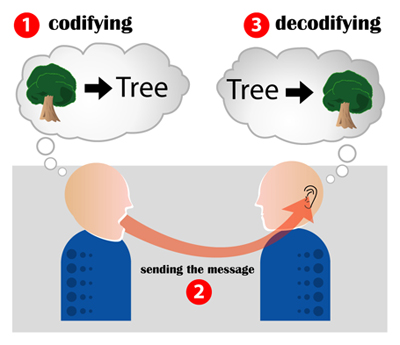
Media studies is an academic field that examines communication technologies, cultural forms and the institutions that produce and circulate information. It treats mass media as social, economic and technological systems rather than simply as collections of individual messages. Media studies typically focuses on a range of platforms including newspapers, radio, television and the internet, and it draws on concepts and methods from both the humanities and the social sciences. The field asks questions about how media shape public opinion, construct identities, distribute power and influence everyday life.
Image gallery
4 Images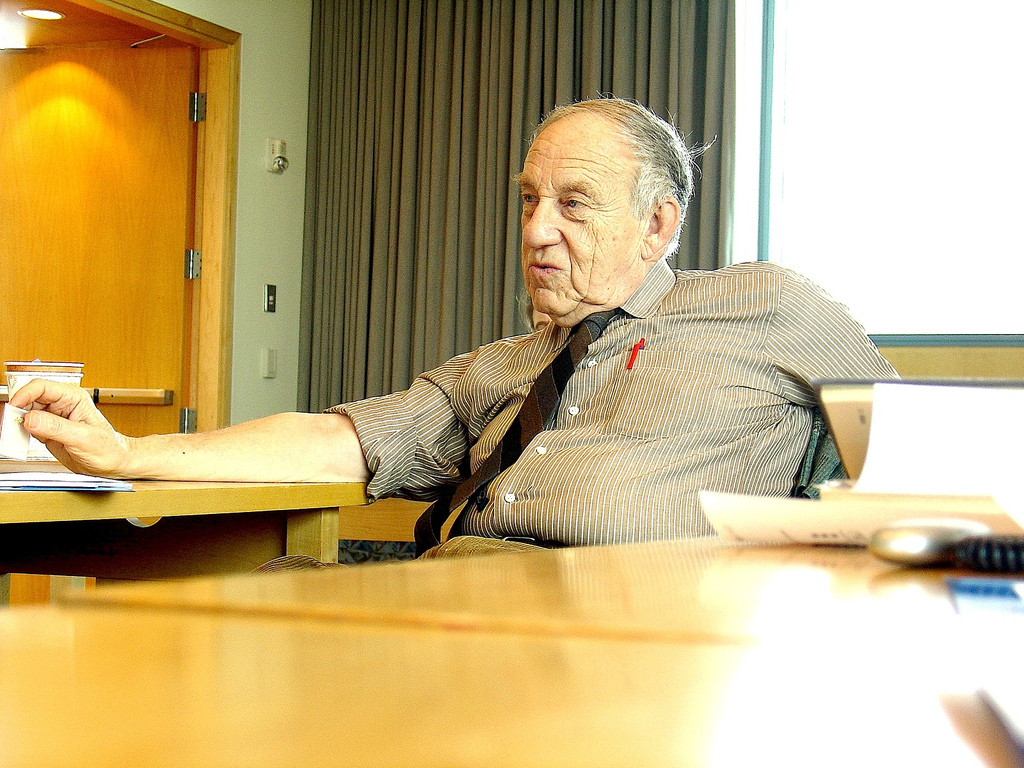


Key approaches and concepts
Scholars in media studies employ a variety of theoretical lenses. Cultural and textual analysis explores how meaning is produced in media content; political economy investigates ownership, regulation and market forces; audience studies examine how different groups interpret and use media; and critical theory highlights power, ideology and representation. Core concepts include representation, framing, agenda-setting, media effects, mediation and technological determinism. The field emphasizes that production practices and institutional contexts shape what audiences experience.
Methods and typical topics
Research methods span qualitative and quantitative techniques. Common approaches include:
- Content analysis of media texts to identify themes and patterns.
- Ethnography and interviews to study audience behavior and workplace cultures.
- Survey research and experiments to measure attitudes and effects.
- Archival and historical research to trace institutional change.
Typical subjects of study range from news production and advertising to popular culture, digital platforms, media law and ethics, representation of race and gender, and media literacy. Many programs offer applied modules in production alongside theoretical study; some consider practice-based research as well.
History and intellectual development
The modern formation of media studies accelerated after World War II as new broadcast and mass communication technologies expanded. Influential thinkers helped connect media change to social life. For example, the ideas of Marshall McLuhan are often cited in introductory accounts: his book Understanding Media and his formulation that "the medium is the message" drew attention to how forms of communication shape perception and social organization; biographical and critical material about him appears under the author name Marshall McLuhan. Over decades the field broadened from studies of radio and television to include digital platforms, social media and networked communication, and it increasingly interacts with fields such as journalism and communication practice (journalism).
Applications, careers and public importance
Media studies prepares students for roles in media production, editing, research, policy, public relations and education. Graduates work in newsrooms, cultural institutions, government agencies, non-governmental organizations and tech companies. The field also supports media literacy initiatives that help citizens understand and evaluate information sources and persuasive messaging.
Debates, distinctions and notable facts
Key debates include the strength and nature of media effects (how directly media change behavior), the balance between regulation and freedom of expression, and questions about platform power and algorithmic influence. Distinctions within the discipline reflect different orientations: some scholars prioritize critical, theory-driven inquiry while practitioner-oriented programs emphasize production skills. National traditions shape emphases and institutional structures, so media studies varies internationally in its balance between research, teaching and professional training.
For further reading and resources consult introductory overviews, university course pages and specialist journals. Those interested in contemporary media environments should follow developments in regulation, platform governance and media literacy as digital technologies continue to evolve.
Mass media overview | Newspaper studies | Radio history | Television research | Internet and digital media | Humanities connections | Social science methods | Journalism and practice | Marshall McLuhan | Understanding Media
Questions and answers
Q: What is media studies?
A: Media studies is an academic area of study that focuses on mass media and its history and effects.
Q: What are the main areas of focus in media studies?
A: The main areas of focus in media studies are newspapers, radio, television, and internet.
Q: What other areas of study does media studies take ideas from?
A: Media studies takes ideas from other areas of study, such as humanities and the social sciences.
Q: Do most production and journalism courses use media studies content?
A: Yes, most production and journalism courses use media studies content.
Q: Are there separate departments for media studies in academic institutions?
A: Yes, academic institutions such as universities often start separate departments for media studies.
Q: Do media studies students consider themselves as creators or practitioners of media?
A: No, media studies students often see themselves as observers of media and not as creators or practitioners.
Q: What sparked the development of media studies?
A: The development of media studies was sparked by the growth of new media in the post-Second World War period, with the most famous source being Marshall McLuhan's Understanding Media: The Extensions of Man.
Related articles
Author
AlegsaOnline.com Media studies: scope, methods, history and contemporary debates Leandro Alegsa
URL: https://en.alegsaonline.com/art/63395