
Arthur Schlesinger Jr.: Historian, Presidential Adviser, and Liberal Critic
Biography and appraisal of Arthur M. Schlesinger Jr., American historian, presidential aide to Kennedy, Pulitzer winner, popularizer of “imperial presidency,” and influential commentator on 20th-century liberalism.
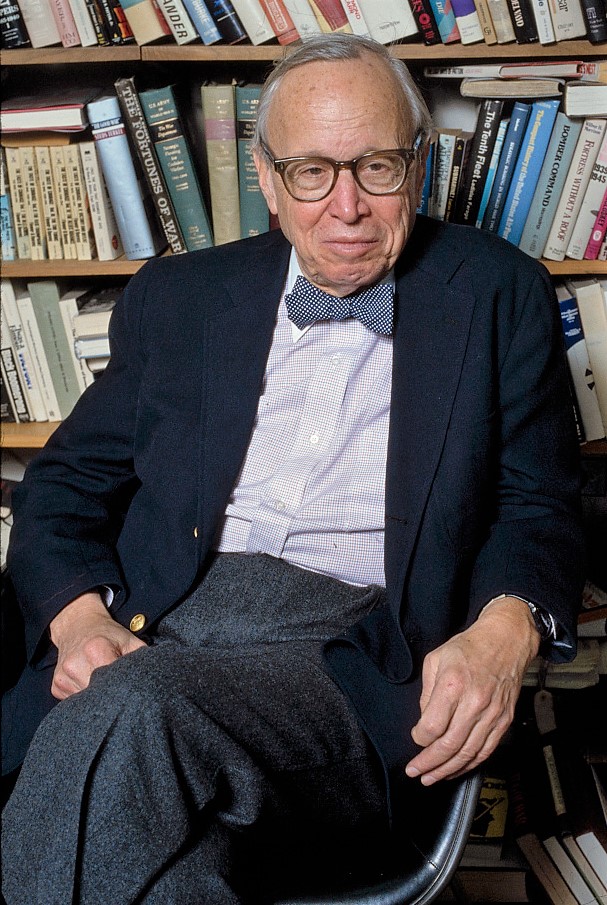
Arthur Meier Schlesinger Jr. (October 15, 1917 – February 28, 2007) was a prominent American historian and public intellectual whose writings and public service shaped mid‑20th century debates about liberalism, the presidency, and American politics. A prolific author and commentator, he combined scholarly research with active engagement in political life, winning a Pulitzer Prize and teaching and writing for decades about the evolution of democratic institutions.
Schlesinger wrote widely on the history and character of liberalism in the United States, examining the ideas and careers of leaders such as Franklin D. Roosevelt, John F. Kennedy and Robert F. Kennedy. He moved comfortably between academic analysis and public advocacy, serving as a close aide and historian in the Kennedy White House and later as a commentator on national affairs.
Image gallery
6 Images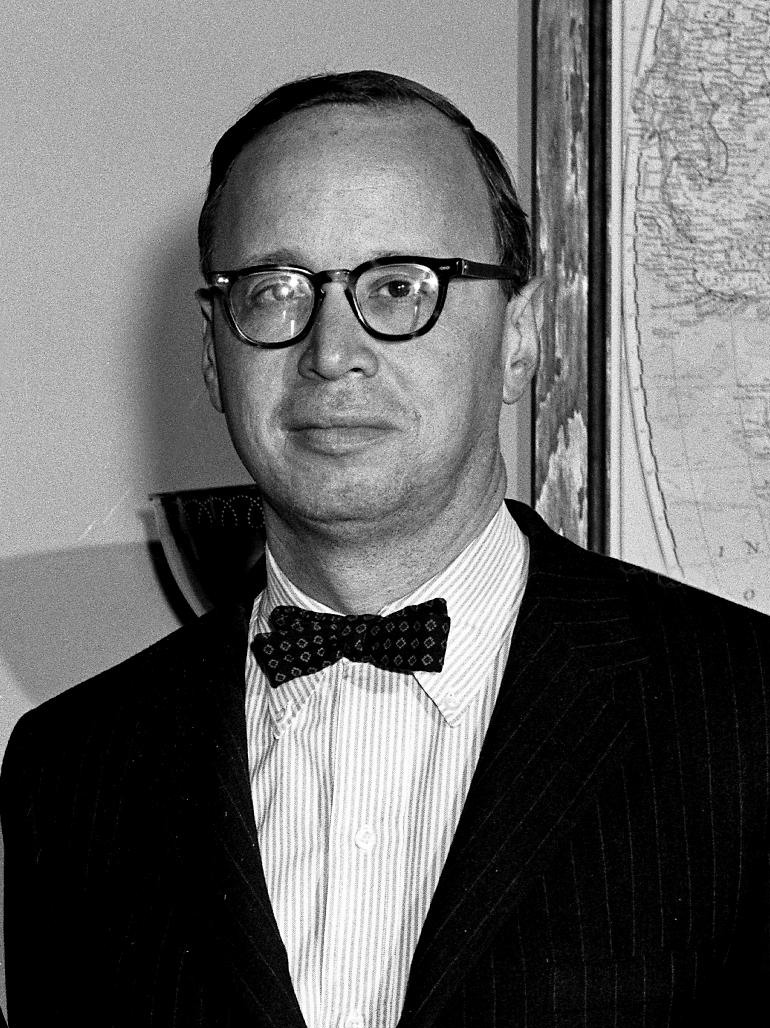


Major works and themes
- A Thousand Days — a narrative account of the Kennedy administration, written from the perspective of someone who served inside it.
- The Imperial Presidency — an influential study that coined and popularized a critical phrase used to describe expanding executive power during the Nixon era and beyond.
- Longer scholarly books and essays on 19th‑ and 20th‑century American political history that traced shifting party alignments and policy debates.
Across his work Schlesinger emphasized the interplay of ideas, institutions and personalities. He explored how presidents balance constitutional limits, public expectations and global responsibilities, and he argued that vigorous scholarly attention can inform better public decisions.
Career, public service, and influence
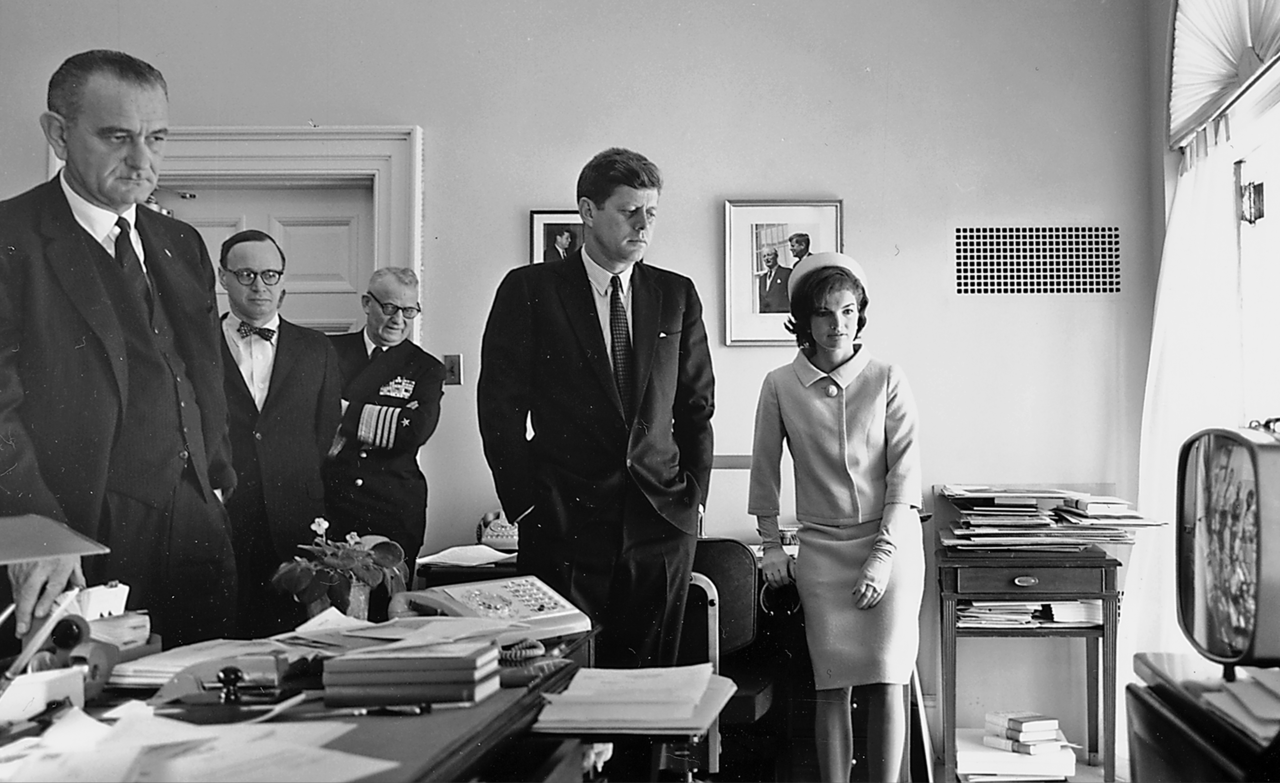
Schlesinger combined university teaching with periods of government service. In the early 1960s he served in the White House as Special Assistant and Court Historian to the President, a role that gave him direct participation in policy discussions and a front‑row view of political leadership. His practical experience informed later historical writing and commentary, while his books and essays helped define key concepts used by critics and scholars alike.
Notable episodes and controversies
One of the better‑known episodes from his time in government concerns the 1961 Bay of Pigs invasion of Cuba. Schlesinger was among the small number of aides who privately opposed the plan; he later reflected on his reluctance to press his objections more forcefully in the cabinet room, a judgement he said he regretted after the operation failed. Throughout his later career he took public positions that sometimes provoked controversy: for example, from the 1990s he expressed skepticism about certain currents in multiculturalism, arguing for civic unity and shared democratic ideals while acknowledging cultural pluralism.
Schlesinger is often remembered for popularizing the phrase "imperial presidency," which critiqued tendencies toward unchecked executive authority and became a touchstone in discussions of presidential power during and after the Nixon administration. His blend of historical narrative and contemporary moral concern made his writing accessible to a wide readership and influential among politicians, journalists and scholars.
Legacy and significance
As a public historian Schlesinger bridged scholarship and civic life. His biographies, interpretive histories and memoirs introduced generations to the complexities of American government and political leadership. While his positions and judgments have been debated, his commitment to liberal democratic ideals, his insistence on the importance of presidential accountability, and his role as a chronicler of mid‑20th century politics secure his place among the most widely read American historians of his era.
For further reading and sources on Schlesinger’s life and work see collections of his essays and archival materials, which discuss both his scholarly contributions and his time inside the White House. Contemporary debates about executive power, historical memory, and the relationship between scholarship and public life continue to reference his work.
Selected references: see entries on Schlesinger in major historical compendia and bibliographies of American political history, and consult institutional archives and collected papers for original documents.
historian profile • social critic • Pulitzer Prize • liberalism • FDR • JFK • RFK • White House aide • Bay of Pigs • Cuba • multiculturalism debate • Nixon era
Tags
Related articles
Author
AlegsaOnline.com Arthur Schlesinger Jr.: Historian, Presidential Adviser, and Liberal Critic Leandro Alegsa
URL: https://en.alegsaonline.com/art/6314
Sources
- nypl.org : "NYPL Acquires Papers of Arthur M. Schlesinger, Jr"
- books.google.com : "The Zinn Reader: Writings on Disobedience and Democracy By Howard Zinn"