
August Wilson: American Playwright and the Pittsburgh Cycle
August Wilson (1945–2005) was an influential American playwright best known for the ten-play Pittsburgh Cycle, which dramatizes African-American life across the 20th century and earned two Pulitzer Prizes.
August Wilson was an American playwright whose work reshaped contemporary theater by centering the experiences of Black Americans across decades of the twentieth century. Born in Pittsburgh and raised in its Hill District, he is best known for an interconnected collection of ten plays often called the Pittsburgh Cycle. That body of work earned him critical acclaim and two Pulitzer Prizes, and it continues to be staged and studied internationally.
Image gallery
5 Images


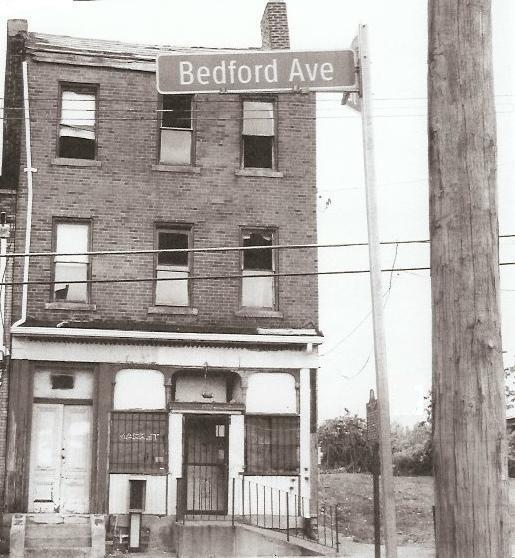
The Pittsburgh Cycle and major works
The Pittsburgh Cycle (also called the Century Cycle) comprises ten plays, each set in a different decade and exploring social, economic and cultural life in African-American communities. Titles commonly cited in the cycle include:
- Gem of the Ocean
- Joe Turner’s Come and Gone
- Ma Rainey’s Black Bottom
- The Piano Lesson
- Seven Guitars
- Fences
- Two Trains Running
- Jitney
- King Hedley II
- Radio Golf
These plays vary in cast size and scale but share recurring themes: memory and history, family dynamics, labor and migration, and the collision between personal desire and social constraint. Wilson drew on everyday speech, blues rhythms and oral storytelling to craft dialogue with both lyricism and force.
Life, influences and career
Wilson began writing in the 1960s and worked in regional theaters and community programs before gaining national attention. He often set plays in the Hill District where he grew up and portrayed characters whose struggles reflected larger historical forces such as segregation, the Great Migration and economic change. Two of his plays received the Pulitzer Prize for Drama, and several have been adapted for film and television, increasing his reach beyond the stage.
Critics and scholars note Wilson’s blending of realism with symbolic elements and his use of music, especially blues and jazz, as structural and thematic devices. His language privileged African-American vernaculars and aimed to preserve cultural memory while interrogating contemporary issues.
Wilson died in Seattle in 2005 of liver cancer, leaving a durable legacy in American letters and theater. Productions of his plays remain central to discussions about race, representation and the American century. For further reading and archival materials, see institutional and library collections that preserve scripts, correspondence and production histories related to his life and work.
Tags
Related articles
Author
AlegsaOnline.com August Wilson: American Playwright and the Pittsburgh Cycle Leandro Alegsa
URL: https://en.alegsaonline.com/art/7325