
Franklin D. Roosevelt
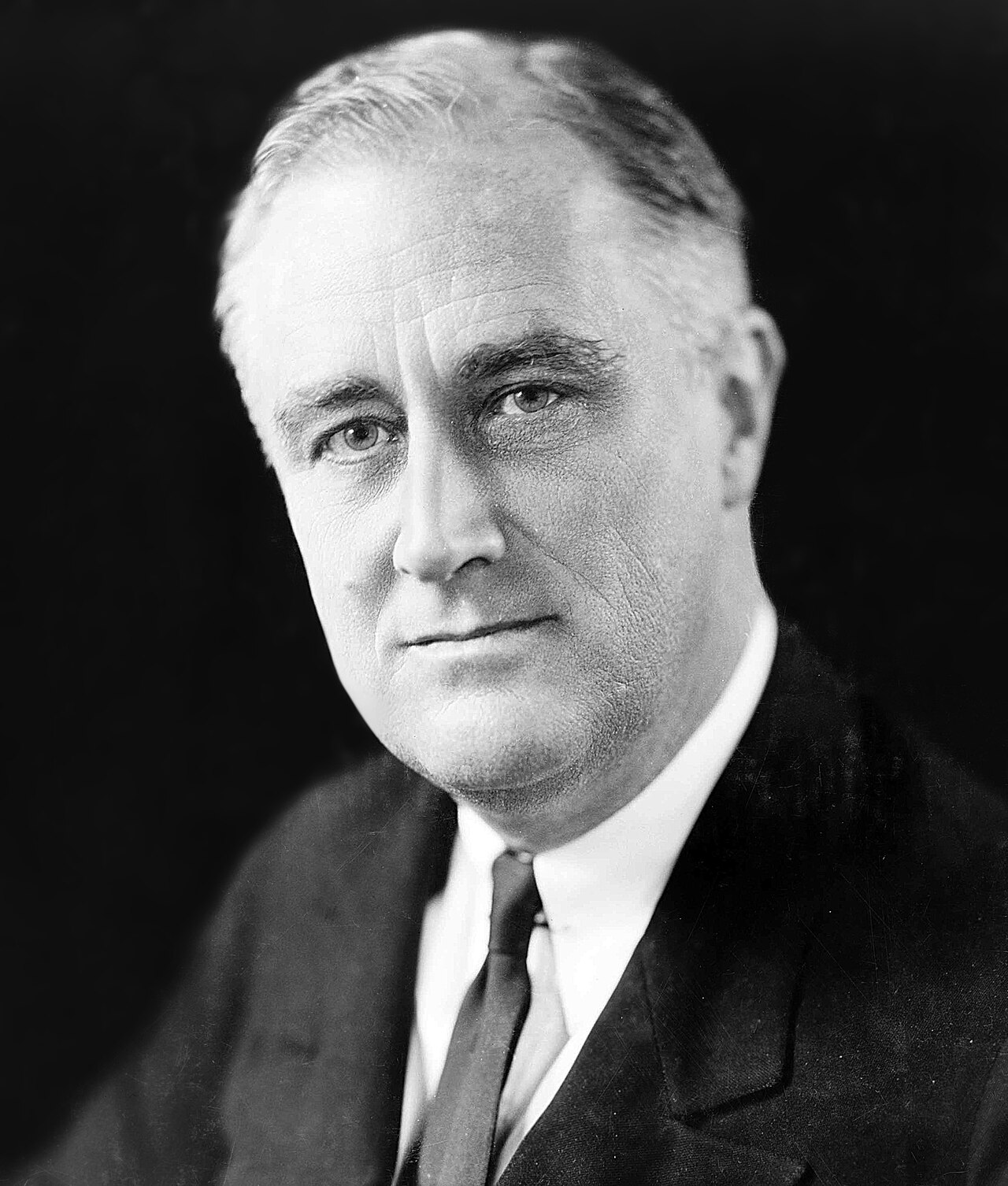
32nd President of the United States (1933–1945), architect of the New Deal and wartime leader during World War II; longest-serving U.S. president and a pivotal figure of 20th-century American history.
Overview
Franklin Delano Roosevelt (January 30, 1882 – April 12, 1945) served as the 32nd President of the United States from 1933 until his death in 1945. He remains the longest-serving U.S. president, elected to four terms and leading the country through the Great Depression and most of World War II. His presidency reshaped the federal government's role in the economy and social welfare.
Image gallery
10 Images



Early life and political rise
Roosevelt came from a prominent family and trained in law before entering politics. He began his elected career in the New York State Senate, later served in the Woodrow Wilson administration as Assistant Secretary of the Navy, and was elected Governor of New York. A serious paralytic illness in 1921 (commonly attributed to polio) left him with lasting disability, but he remained active in public life and returned to statewide office.
Presidency and domestic program
Taking office during the Great Depression, Roosevelt launched a broad set of programs and reforms known collectively as the New Deal. These measures included federal job programs, banking reforms, agricultural support, and regulations intended to stabilize markets and provide relief to millions of Americans. Landmark initiatives during his administration included the creation of social insurance systems and agencies that expanded the federal safety net.
World War II and international leadership
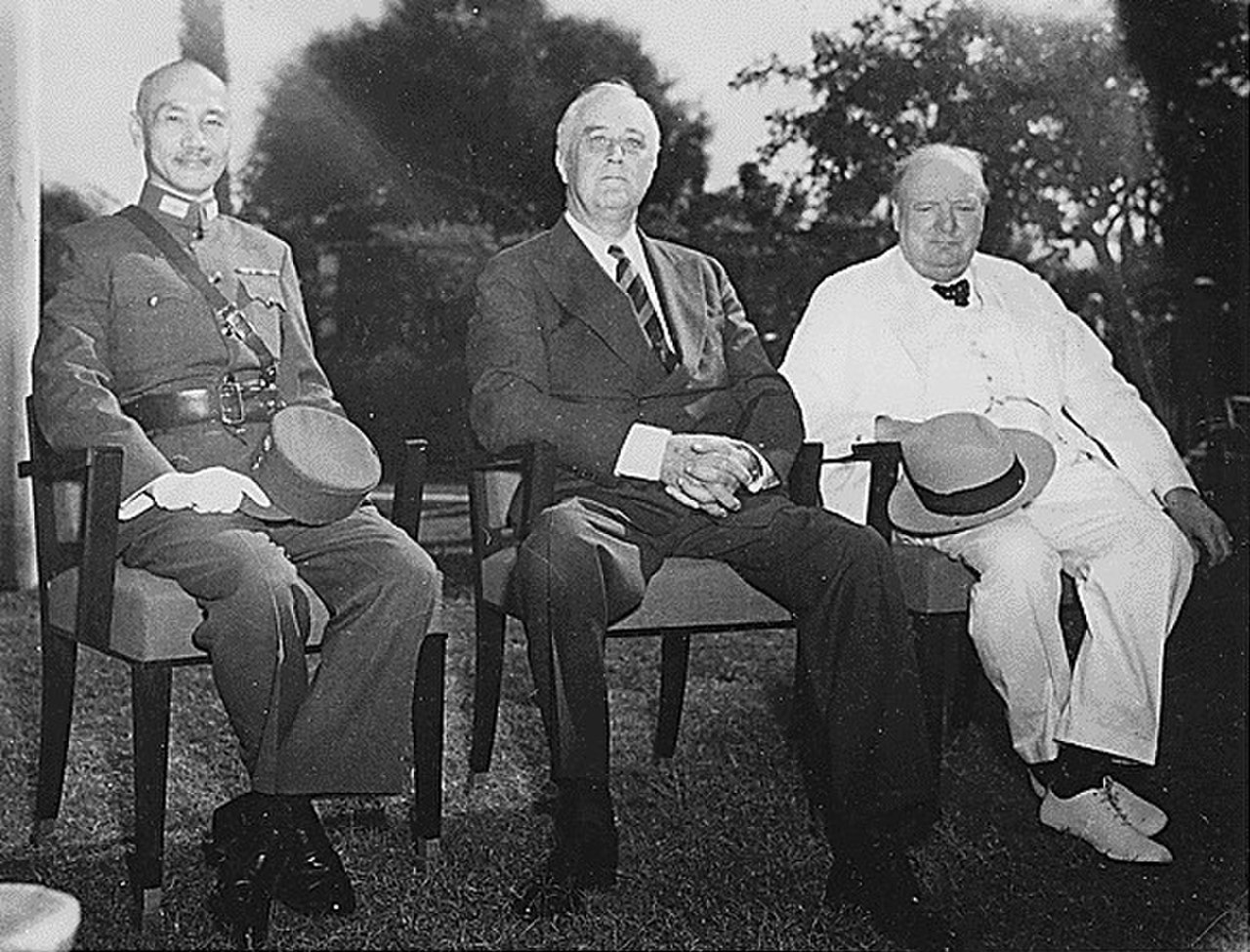
As Nazi Germany and Imperial Japan threatened global stability, Roosevelt moved the United States from neutrality to active support for allies, including policies such as Lend-Lease and high-level diplomacy with Britain and the Soviet Union. He was a key participant in wartime conferences that shaped postwar institutions and strategy. Roosevelt died in office in April 1945, shortly after beginning his fourth term.
Legacy, reforms, and controversies
- Institutional change: His administration greatly expanded the scope of the federal government in economic and social life.
- Social programs: Many programs originating under his leadership influenced later policies and remain part of American governance.
- Controversies: Some wartime actions, most notably the removal and internment of Japanese Americans, remain subjects of historical criticism.
- Constitutional consequence: Roosevelt’s four-term presidency prompted the adoption of the 22nd Amendment, which limits presidential terms.
Notable facts
Roosevelt pioneered direct communication with citizens through his "fireside chats," cultivated a close wartime alliance with other Allied leaders, and is widely studied for his crisis leadership and political skill. For more on his presidency, see the main presidency article and related biographies that explore his public and private life in detail.
Questions and answers
Q: Who was Franklin D. Roosevelt?
A: Franklin Delano Roosevelt was the 32nd President of the United States from 1933 until his death in 1945.
Q: How long did Roosevelt serve as president?
A: Roosevelt served as president for 12 years, dying shortly after beginning his 4th term, the longest ever spent in office.
Q: What was the length of the presidency term before the 22nd Amendment came into effect?
A: The length of the presidency term before the 22nd Amendment came into effect was not limited.
Q: What effect did Roosevelt's death have on the presidency?
A: Roosevelt's death led to the 22nd Amendment which limited how long a person could be president.
Q: What other government positions did Roosevelt hold before becoming president?
A: Before becoming president, Roosevelt was Governor of New York from 1929 to 1932, Assistant United States Secretary of the Navy from 1913 to 1920 and a state senator from the state of New York.
Q: When was Roosevelt born?
A: Roosevelt was born on January 30, 1882.
Q: When did Roosevelt die?
A: Roosevelt died on April 12, 1945.
Author
AlegsaOnline.com Franklin D. Roosevelt Leandro Alegsa
URL: https://en.alegsaonline.com/art/138573