
Mattertal: the Swiss valley beneath the Matterhorn
Mattertal is a high Alpine valley in Switzerland carved by glaciers beneath the Matterhorn. It contains villages such as Zermatt and Täsch and is known for mountaineering, skiing, and dramatic glacial landscapes.
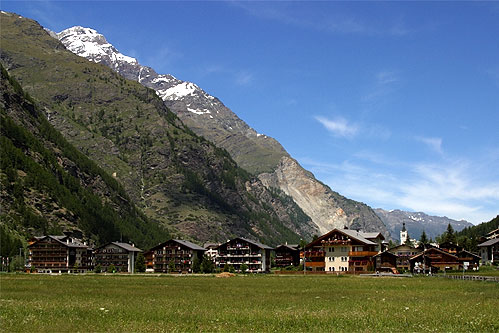
The Mattertal is a prominent valley in the Swiss Alps located in Switzerland. It extends from the classic pyramidal peak of the Matterhorn down through steep-sided terrain toward lower alpine pastures. The valley's dramatic scenery, distinctive geology and long association with mountain recreation make it one of the best-known valley landscapes in the Alps.
Image gallery
7 Images



Formation and physical characteristics
Geologically, the Mattertal is a classic glacial or U-shaped valley created when an ice mass carved and widened the original river course. The role of ice is central to the valley's form and to many ongoing processes; the term glacier (glacier) describes the slow-moving ice that created those broad valley floors and steep walls. Steep rock faces and high slopes contribute to frequent rockfalls and avalanches; localized landslides have altered valley slopes and occasionally affected villages and infrastructure.
Villages, settlement and images
Human settlement in the Mattertal clusters on flatter valley terraces where water and pastures are accessible. Notable communities include:
- Zermatt — the best-known village at the valley head, noted for views of the Matterhorn.
- Täsch — the last car-accessible village before the car-free resort, with valley-floor settlement patterns.
- Randa — a village that has experienced significant slope movements in modern times.
- Grächen — a smaller high-elevation village on a sunny terrace.
- St. Niklaus — an agricultural and service centre in the middle section of the valley.


Economy, recreation and access
The valley's traditional economy was based on alpine dairying and seasonal grazing; many historic wooden chalets reflect this pastoral past. Over the last century the economy has shifted strongly toward the tourist industry, with summer hiking and winter sports forming the backbone of local employment. Visitors come for skiing, glacier walks and glacier-ski areas, and for mountain climbing on classic peaks. Zermatt is largely car-free and is reached via shuttle trains and roads that terminate at Täsch, which functions as the main parking and transfer hub.
History, conservation and notable facts
Interest in the Mattertal increased with the rise of alpine tourism in the 19th century, when climbers and sightseers first popularized ascents and views of the Matterhorn. Conservation and hazard management have become important as glaciers retreat and permafrost thaws, increasing slope instability. The valley remains an important case study in alpine geomorphology, mountain tourism and the interactions between traditional farming and modern recreation.
Why the Mattertal matters
Beyond its visual appeal, the Mattertal illustrates how glacial processes shape mountain environments and how communities adapt to high-elevation conditions. It remains a focus for outdoor recreation, scientific study and cultural tourism, offering a compact example of Alpine geography, settlement and economy in one well-known valley.
Related articles
Author
AlegsaOnline.com Mattertal: the Swiss valley beneath the Matterhorn Leandro Alegsa
URL: https://en.alegsaonline.com/art/62885