
Monsoon trough
A region of low pressure and wind convergence that links the Intertropical Convergence Zone with seasonal monsoon circulations, steering heavy rainfall and tropical cyclone formation.
Overview
The monsoon trough is the elongated area of low pressure and converging winds that develops as part of the broader Intertropical Convergence Zone (ITCZ) when it becomes embedded within a seasonal monsoon circulation. In simple terms, it is a zone where moist tropical air flows toward a common axis, rises, and fuels widespread cloudiness and precipitation. It is most active during the warm season when land–sea temperature contrasts strengthen the monsoon flow. Forecasters often mark it on maps to indicate regions of enhanced convective activity and lower surface pressures.
Image gallery
6 Images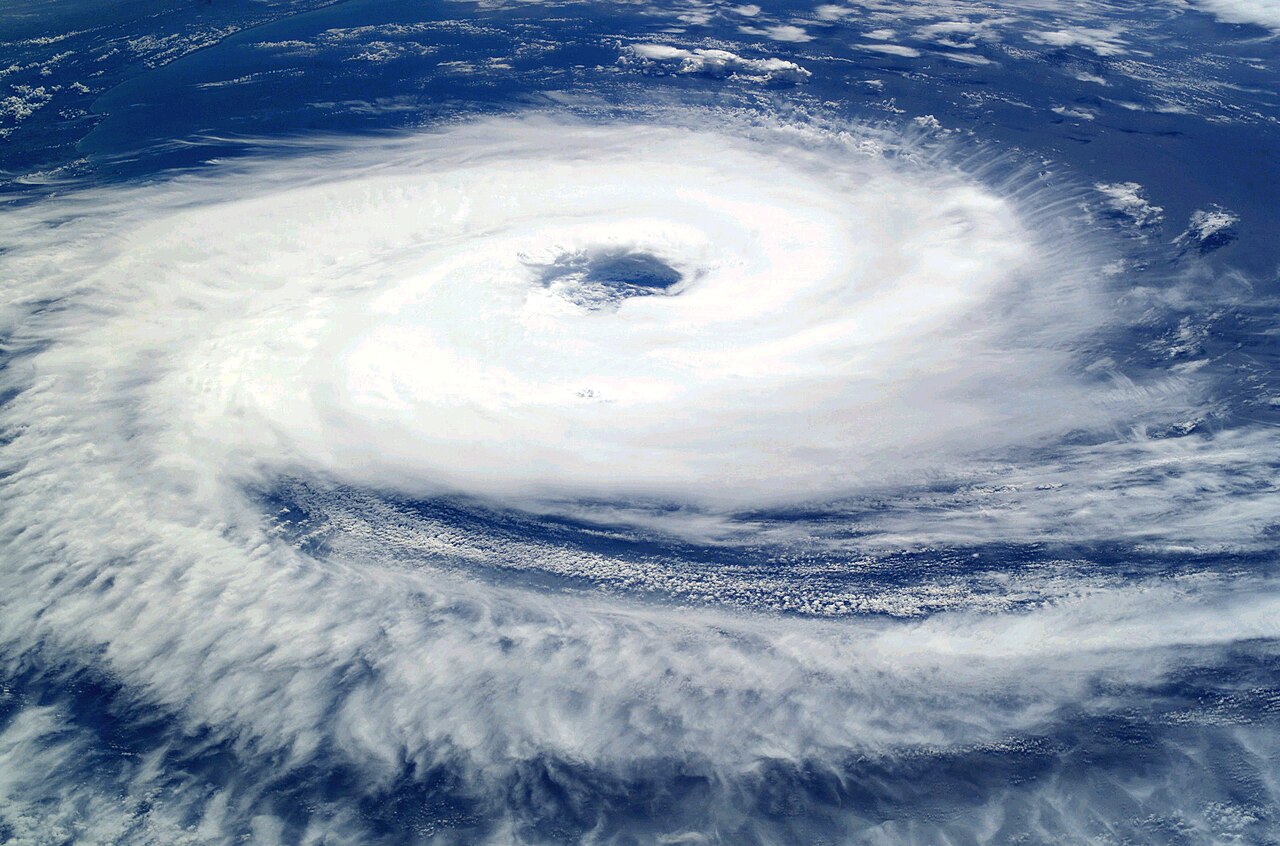


Characteristics
The trough differs from other tropical features in several ways. It is typically elongated rather than circular, oriented according to prevailing monsoon winds, and associated with persistent, often daily, thunderstorms. On surface weather charts the monsoon trough appears as a line connecting centers of relatively low pressure and is accompanied by a shift in wind direction across the axis. It can extend over thousands of kilometers and migrate with the seasons.
Seasonal behavior and location
The position of the monsoon trough changes through the year. During summer in each hemisphere it shifts poleward from the equatorial ITCZ and aligns with the dominant monsoon flow, bringing the wet season to adjacent continents. In the Northern Hemisphere this results in the well-known Asian monsoon pattern, while other basins such as the Western North Pacific and northern Australia develop their own troughs. In winter the trough retreats toward the equator or weakens as monsoon circulation reverses.
Role in weather and cyclones
Because it concentrates moisture and upward motion, the monsoon trough is a major source of prolonged heavy rainfall and can trigger flooding across large areas. It also provides a favorable environment for tropical cyclogenesis: disturbances embedded in the trough can organize into tropical depressions and, under suitable conditions, mature tropical cyclones. Meteorologists therefore monitor the trough closely during the active season.
Observation and forecasting
On synoptic charts the trough is plotted as a line of lower pressure and wind convergence; it is commonly identified on satellite imagery by a band of dense convection. Operational analyses and models use the trough's location to predict monsoon onset, active breaks in rainfall, and potential areas for cyclone development. For general background on the monsoon circulation see monsoon circulation, and for how it is depicted on maps consult a typical weather map.
Notable examples and distinctions
- Major instances include the Indian monsoon trough, the Western North Pacific monsoon trough, and the Australian monsoon trough.
- Distinction from the ITCZ: the ITCZ is a more zonally continuous convergence near the equator, while the monsoon trough is the seasonally displaced, monsoon-linked manifestation of that convergent zone.
- Practical importance: its shifts control the timing and intensity of regional wet seasons and are therefore central to agriculture, water resources, and disaster preparedness in affected countries.
Related articles
Author
AlegsaOnline.com Monsoon trough Leandro Alegsa
URL: https://en.alegsaonline.com/art/66173
Sources
- amsglossary.allenpress.com : "Monsoon trough"
- books.google.com : The Asian Monsoon.