
Arthur Conan Doyle
British physician and prolific writer best known for creating Sherlock Holmes; also wrote science fiction, historical fiction and non‑fiction, and became a prominent spiritualist later in life.
Overview
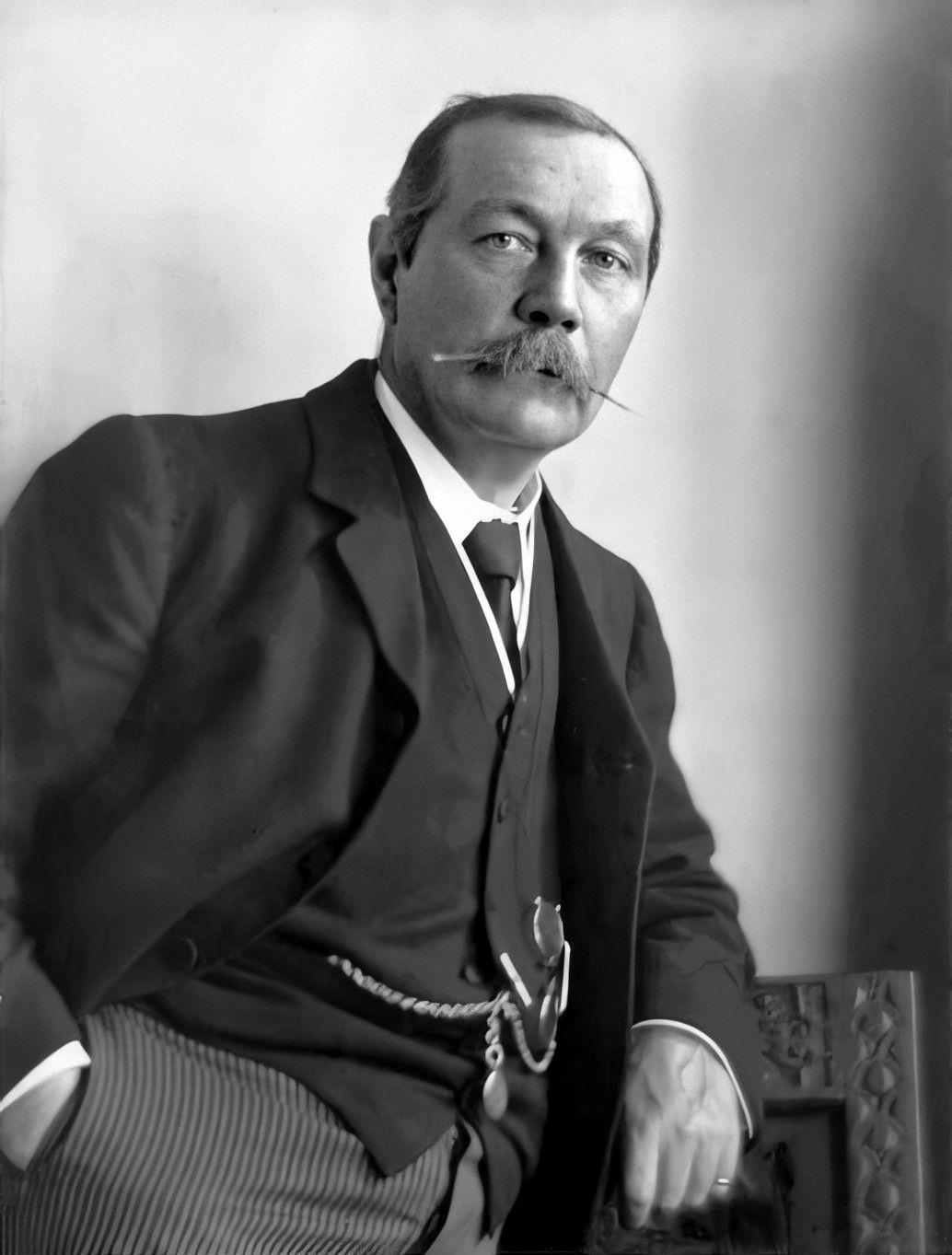
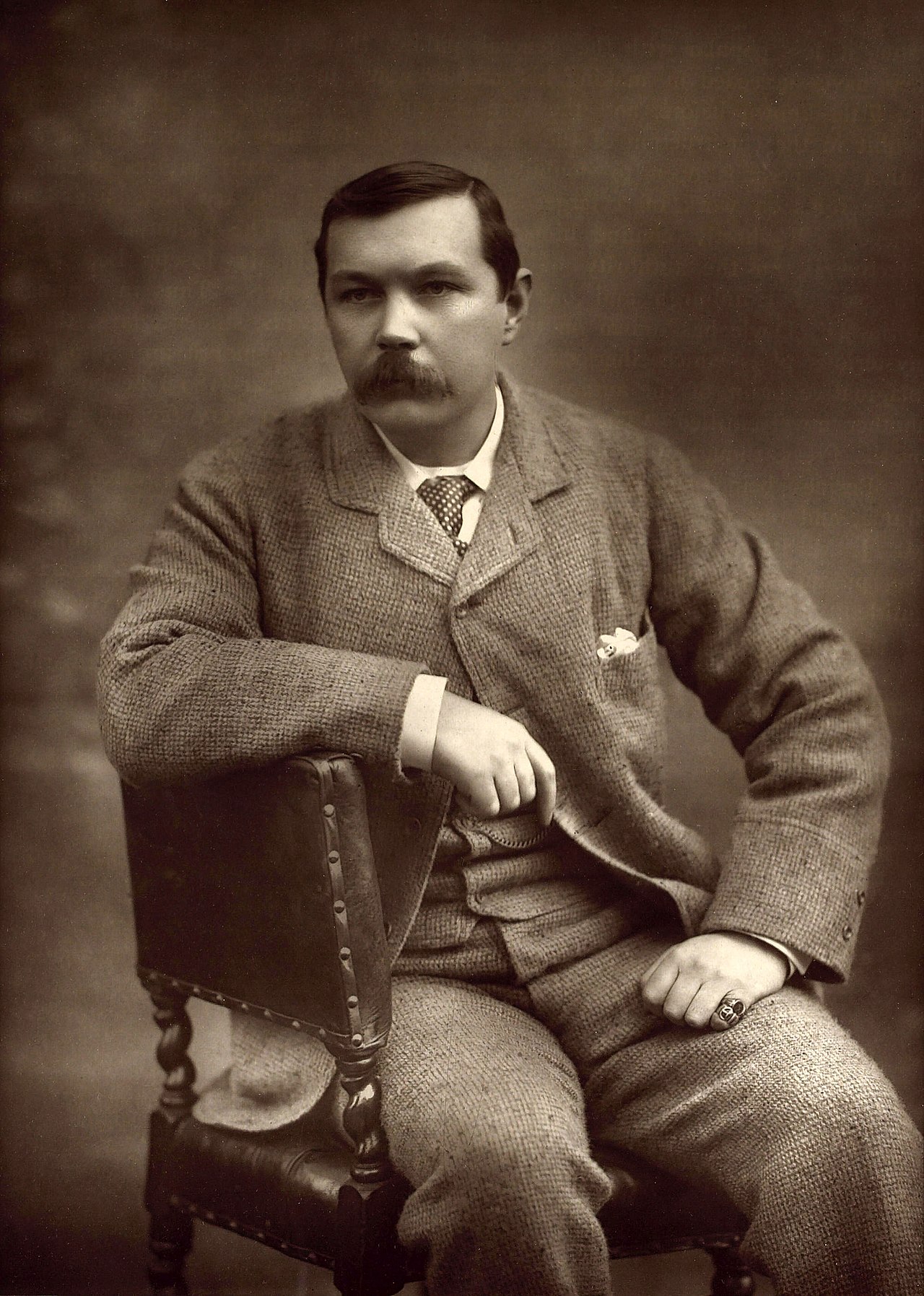
Sir Arthur Conan Doyle (1859–1930) was a British physician, novelist and short‑story writer whose work spans detective fiction, adventure, science fiction and historical narrative. He achieved global fame for creating the detective Sherlock Holmes, a figure that reshaped popular expectations of crime fiction and deductive reasoning. Beyond Holmes, Doyle produced novels, plays and essays, and later in life became a public advocate for spiritualism.
Image gallery
10 Images


Life and professional background
Doyle trained in medicine at the University of Edinburgh, where clinical observation shaped his approach to character and method. While practising as a physician in the late 19th century he began publishing fiction to supplement his income and reputation. His early medical training and acquaintance with a lecturer known for diagnostic skill influenced the model of his detective. He maintained an active writing career alongside occasional involvement in public affairs and journalism, and was knighted in 1902.
Major works and characters
The first published Sherlock Holmes story, A Study in Scarlet, introduced Holmes and his friend Dr John Watson; subsequent novels and short stories established Holmes’s techniques of observation and deduction and a recurring gallery of allies and antagonists. Notable Holmes novels include The Hound of the Baskervilles and others that emphasize logical deduction; many of the short stories appeared in an influential periodical of the era and were later collected in volumes such as The Adventures of Sherlock Holmes. Doyle also created Professor Challenger, a bold scientist and explorer who stars in The Lost World, a novel combining adventure with speculative creatures and survival on an isolated plateau in South America.
Themes, style and variety
Doyle’s writing is often driven by plot energy and clear character types: an analytical protagonist, a steady chronicler or narrator, and vivid villains. He worked across genres, producing historical fiction that aimed to dramatize past events, and speculative works that reflect contemporary fascination with science and discovery. His storytelling skills—pacing, descriptive detail and dialogue—helped make forensic reasoning and investigative method accessible and compelling to readers.
Later life, grief and spiritualism
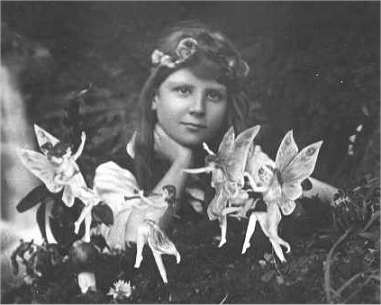
Personal tragedy after the First World War, including the loss of close family members, coincided with Doyle’s deepening interest in spiritualism. Already skeptical in his youth, he later became one of spiritualism’s most visible proponents, writing and lecturing about mediumship and life after death and joining organizations that investigated supernatural claims. His advocacy for mediumistic research and for those affected by bereavement remained controversial among literary and scientific circles.
Legacy and influence
Doyle’s most enduring creation, Sherlock Holmes, has influenced crime fiction, forensic science in the public imagination, and adaptations across stage, screen and radio. His other works—adventure tales like The Lost World, historical novels, and non‑fiction—remain in print and in study. Collections of his short stories and novels continue to be reissued, and his life and ideas are explored in biographies, critical studies and popular culture. For introductions to his writing and further context see contemporary guides and annotated editions of his works published in both scholarly and popular formats (Sherlock Holmes studies; short‑story collections; science fiction anthologies). For his views on the afterlife and related controversies, consult resources on spiritualism.
Selected works and notes:
- A Study in Scarlet — first Holmes novel (text and commentary)
- The Sign of the Four and other Holmes stories — many first published in periodicals
- The Hound of the Baskervilles — gothic detective novel (readings and adaptation history)
- The Lost World — adventure and speculative fiction (exploration of its themes)
For bibliographies, critical essays and reliable biographical summaries, consult collections and reference works that survey late‑Victorian and Edwardian literature, as well as archives of periodicals that first serialized much of his fiction.
Questions and answers
Q: Who was Sir Arthur Conan Doyle?
A: Sir Arthur Conan Doyle was a British doctor and author. He is well known for writing short stories about the detective Sherlock Holmes, as well as science fiction and historical stories.
Q: What did he study at Edinburgh University?
A: He studied medicine at Edinburgh University from 1876 to 1881.
Q: What were his great gifts as a writer?
A: His great gifts as a writer were story-telling and character creation.
Q: What was the first Sherlock Holmes story that was published?
A: The first Sherlock Holmes story that was published was A Study in Scarlet.
Q: Who is Moriarty?
A: Moriarty is one of the great villains in fiction and is balanced by Holmes himself and Watson.
Q: How many children did Conan Doyle have?
A: Conan Doyle had six children - Mary Louise, Arthur Alleyne Kingsley (with Louise), Jean Lena Annette, Denis Percy Stewart, and Adrian Malcolm (with Jean).
Q: What organization did he join after his son's death during WWI? A: After his son's death during WWI, Conan Doyle joined The Ghost Club, a renowned supernatural organization which attempted to find proof of existence beyond the grave.
Related articles
Author
AlegsaOnline.com Arthur Conan Doyle Leandro Alegsa
URL: https://en.alegsaonline.com/art/6276
Sources
- britannica.com : "Biography & Facts"
- mysteriousbritain.co.uk : "The Ghost Club – a history by Peter Underwood"