
Arthur de Gobineau
French aristocrat, diplomat and writer (1816–1882) best known for An Essay on the Inequality of the Human Races and for proposing racial theories that influenced later racialist movements.
Overview
Arthur de Gobineau (1816–1882) was a French aristocrat, diplomat and man of letters whose writings addressed history, travel and politics. He is most widely remembered for An Essay on the Inequality of the Human Races (1853–1855), a work that articulated racial hierarchies and argued that origins and racial mixing shaped the fate of civilizations.
Image gallery
10 Images


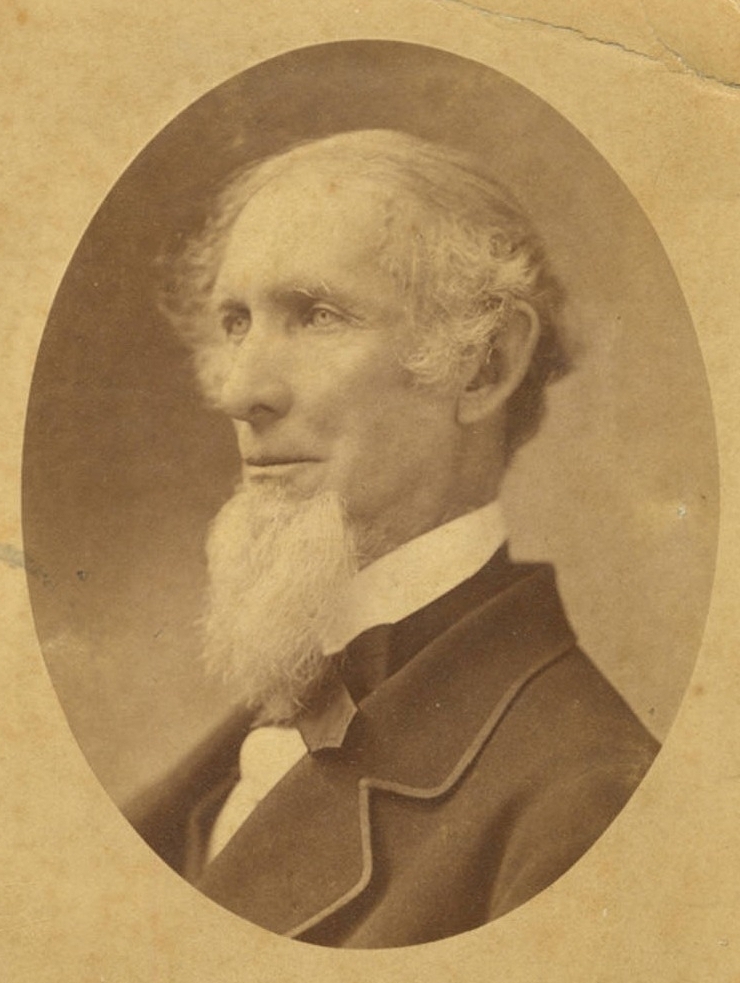


Life and career
Born into the French provincial nobility, Gobineau studied and wrote widely before entering diplomatic service. His postings included assignments in South America and Persia, where his travel writing and observations on local societies informed some of his historical and sociological reflections. He published novels, histories and essays in addition to the book that made his name.
Major work and central ideas
An Essay on the Inequality of the Human Races set out a racialist interpretation of human history. Gobineau proposed that the original "Aryan" peoples were culturally and biologically superior and that racial mixing led to cultural decline. He combined literary style with speculative anthropology and moralizing history rather than systematic empirical research. His argument stressed heredity and temperament as decisive factors in the rise and fall of peoples.
Reception and influence
During his lifetime Gobineau's book had a mixed reception. Some contemporaries found his tone pessimistic and his methods unscientific; others, particularly in late 19th- and early 20th-century circles, embraced or adapted his themes. Over time his ideas were taken up, transformed and sometimes misused by racialist and nationalist movements in several countries. Modern scholarship treats his racial theories as part of the history of pseudoscientific race thought and critiques their lack of empirical foundation.
Other writings and legacy
Beyond his racial essay, Gobineau produced fiction, historical studies and travel accounts that reflect the literary and intellectual currents of his era. His reputation remains contested: he is studied both as a literary figure and as an origin point for influential but discredited racial doctrines. Contemporary readers approach his work as a historical document that illustrates how ideas about race circulated in 19th-century Europe.
Further reading and references
- Biographical overview
- Text of An Essay on the Inequality of the Human Races (selection)
- Studies on Gobineau's diplomatic career
- Critical assessments of his racial theory
- Context: 19th-century intellectual currents
- Comparative history of racial thought
- Reception in Germany and other countries
- Gobineau's travel writing and novels
- Modern historiography and critiques
Related articles
Author
AlegsaOnline.com Arthur de Gobineau Leandro Alegsa
URL: https://en.alegsaonline.com/art/6280