
Arthur H. Rosenfeld: pioneer of energy efficiency and public service
Arthur H. Rosenfeld (1926–2017) was an American physicist and policymaker who shaped modern energy-efficiency standards and programs in California and the United States, earning national recognition for his impact.
Arthur H. Rosenfeld (June 22, 1926 – January 27, 2017) was an American physicist and a leading advocate for energy efficiency. During a long career that blended technical research, public policy and practical program design, he helped create the standards, codes and institutional practices that dramatically reduced energy use in buildings and appliances. He is widely regarded as one of the most influential figures in modern energy conservation efforts.
Image gallery
2 Images
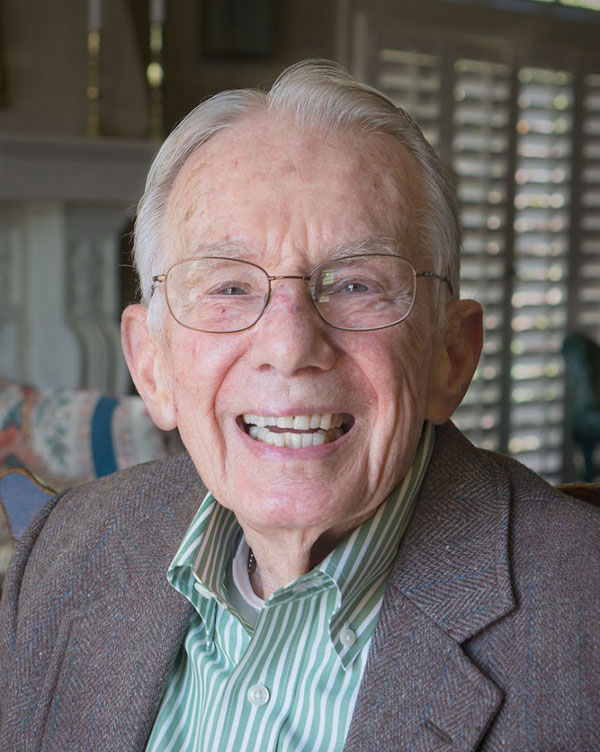
Early life and training
Rosenfeld was born in Birmingham, Alabama, and trained as a physicist before turning his attention to applied energy problems. Trained to think like an experimental scientist, he brought rigorous measurement and laboratory-style testing to problems of buildings and appliances. That scientific approach made it possible to develop practical, verifiable efficiency solutions that could be adopted by industry and regulators.
Career and public roles
Over several decades Rosenfeld worked at research institutions and in government, translating technical findings into policy. He served as a Senior Advisor for Energy Efficiency and Renewable Energy at the United States Department of Energy from 1994 to 1999, and later was a Commissioner of the California Energy Commission from 2000 to 2010. During these years he promoted programs that combined technical standards with incentives and public education to achieve large, verifiable savings.
Major contributions and influence
- Developing appliance efficiency standards and test methods that allowed manufacturers and regulators to compare products objectively.
- Integrating energy performance into building codes and promoting measures to reduce heating, cooling and lighting demand.
- Advocating for market‑based programs and utility-run efficiency initiatives that lower energy bills and defer expensive generation capacity.
- Popularizing compact fluorescent lighting and other higher-efficiency technologies to the general public and decision makers.
- Encouraging measurement, verification and data collection so policy choices could be judged by outcomes rather than intentions.
His practical, data-driven methods produced measurable reductions in per-capita energy consumption in many sectors; analysts and colleagues sometimes refer to the broad impact of his work as a lasting change in how energy is used and regulated.
Recognition, legacy and distinctions
Rosenfeld received national recognition for his lifetime achievement, including the National Medal of Technology and Innovation in 2011. Colleagues and media frequently called him the "godfather of energy efficiency" for his role in making efficiency an accepted, central component of energy policy. His influence extended internationally as other jurisdictions adopted similar standards and program designs.
Personal life and death
Rosenfeld was married to Roselyn Bernheim "Roz" Rosenfeld for many decades; she predeceased him in 2009. They had two children. Rosenfeld died of pneumonia on January 27, 2017, in Berkeley, California. His work remains a reference point for engineers, policymakers and advocates seeking cost-effective ways to reduce energy use and emissions.
Related articles
Author
AlegsaOnline.com Arthur H. Rosenfeld: pioneer of energy efficiency and public service Leandro Alegsa
URL: https://en.alegsaonline.com/art/6284