
Gum arabic (acacia gum): origin, composition, uses, and production
Gum arabic is a natural exudate from Acacia species used as an emulsifier, binder and stabilizer in food, pharmaceuticals, inks and art. This article covers its sources, chemistry, harvesting, uses and economic importance.
Overview: Gum arabic, also called acacia gum or meska, is the dried sap (exudate) collected from certain acacia trees. It is valued for water solubility, low viscosity at useful concentrations, film-forming ability and emulsifying properties. General introductions to natural plant gums commonly treat gum arabic as a model example; see general information on natural gums.
Chemical composition and properties: Chemically, gum arabic is a complex mixture of polysaccharides and glycoproteins. A major fraction is made up of arabinogalactan-type polysaccharides with small amounts of proteinaceous material that confer emulsifying capacity and surface activity. Its composition gives low intrinsic viscosity, good solubility in cold water and the ability to form clear, flexible films. Early chemical work on the material led to isolation of sugars such as arabinose and ribose; for more technical discussion see composition and chemistry and composition studies.
Botanical sources and distribution: The principal commercial sources are the acacia species Senegalia (Acacia) senegal and Vachellia (Acacia) seyal. Most commercial gum is harvested from wild and managed trees across the Sahel region of Africa, extending from Senegal to Somalia. Regions and production patterns are described in regional surveys such as Sahel production, with national summaries for countries including Senegal and Somalia. Historically, the product was also collected and traded from Arabia and western Asia; see historical cultivation.
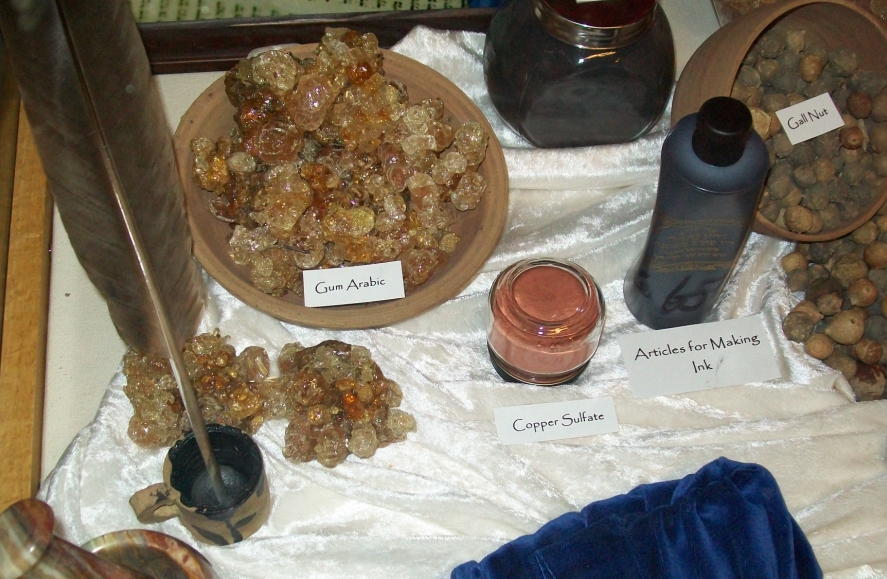
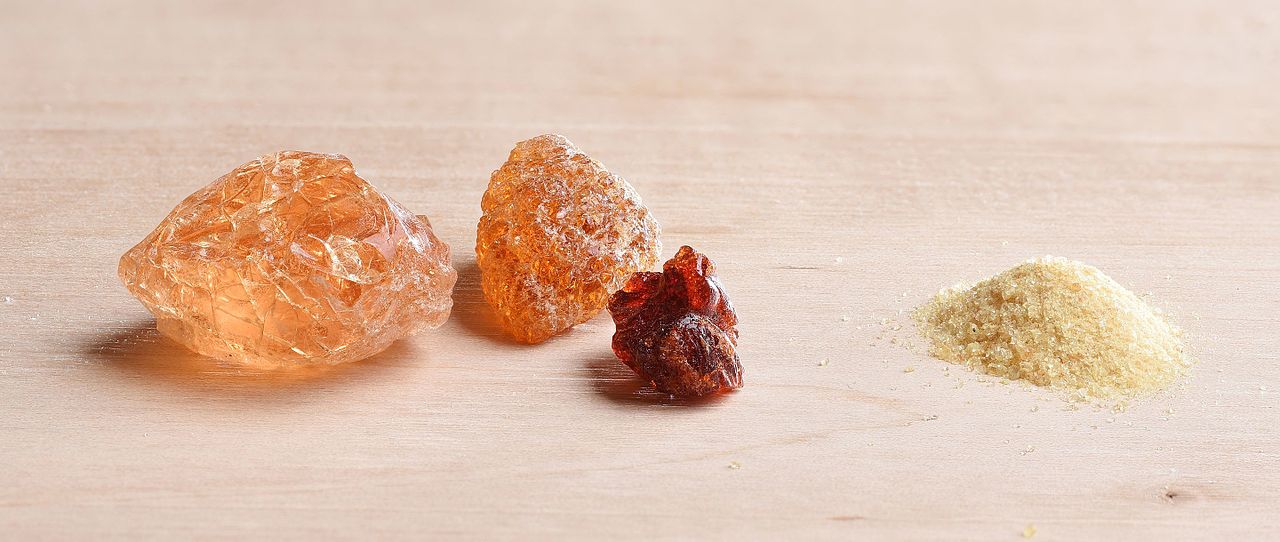
Harvesting and processing: Harvesters collect hardened nodules, often called "tears," that form after bark wounds or insect damage. Nodules are cleaned, graded and sometimes sorted by size and color. Industrial processing for food and pharmaceutical grades can include washing, filtration and controlled drying; powdered and purified forms are produced by milling and, where required, spray-drying. Analytical approaches to its constituent glycoproteins and polysaccharides are available in detailed studies (glycoprotein details, polysaccharide analysis).
Image gallery
10 Images






Uses and applications
- Food industry: used as an emulsifier, stabilizer, film-former and glazing agent in beverages, confections, fillings and icings.
- Pharmaceuticals and cosmetics: functions as a binder, suspending agent and protective coating for tablets, lozenges and topical formulations.
- Industrial and artistic uses: employed in printing inks, watercolour painting and lithography as a binder; also used in adhesives and textile finishes.
- Other technical uses: in microencapsulation and as a carrier for flavors and essential oils because of its emulsification and film-forming properties.
Grades, safety and nutrition: Commercial grades vary from technical to food and pharmaceutical quality; regulatory bodies provide standards and guidance for permitted uses. Gum arabic is largely composed of non-digestible polysaccharides and contributes to dietary fibre when consumed; it is generally regarded as safe for most people, although rare sensitivities or digestive effects have been reported. For historical chemical context, including early sugar isolation work, see historical sugar isolation.
Environmental and economic importance: Gum arabic is an important cash commodity for many rural communities in the Sahel, providing income from wild harvesting and managed stands. Its availability and quality are influenced by climate variability and land management. Sustainable harvesting practices and value-added processing have been promoted to support local economies and conserve tree populations.
Alternatives and handling: Other hydrocolloids such as guar gum, locust bean gum and xanthan gum are used in some applications as alternatives, but they differ in properties and functionality. Storage recommendations include keeping the material dry, cool and protected from contamination to preserve quality and prevent caking.
Further reading: For botanical, historical and technical information consult the linked summaries and specialist literature noted above (technical composition, regional production, historical trade).
Questions and answers
Q: What is gum arabic?
A: Gum arabic, also known as acacia gum, or meska, is a natural gum made of hardened sap from two species of acacia tree; Senegalia (Acacia) senegal and Vachellia (Acacia) seyal.
Q: Where is gum arabic found?
A: Gum arabic is found in wild trees throughout the Sahel from Senegal to Somalia, and it has also been cultivated in Arabia and west Asia.
Q: What is gum arabic made of?
A: Gum arabic is a complex mixture of glycoproteins and polysaccharides.
Q: What were the first two sugars discovered and isolated from gum arabic?
A: The first two sugars discovered and isolated from gum arabic were arabinose and ribose.
Q: What is the historical significance of gum arabic?
A: Gum arabic has historical significance as the source of the sugars arabinose and ribose, which were first discovered and isolated from it.
Q: How is gum arabic harvested?
A: Gum arabic is harvested by making incisions in the bark of the acacia tree and allowing the sap to flow out and harden into resinous pieces.
Q: What are some common uses of gum arabic?
A: Gum arabic is commonly used in the food industry as a stabilizer and thickener, as well as in the production of paints, inks, and adhesives.
Tags
Related articles
Author
AlegsaOnline.com Gum arabic (acacia gum): origin, composition, uses, and production Leandro Alegsa
URL: https://en.alegsaonline.com/art/41400
Sources
- journals.cambridge.org : journals.cambridge.org/action/displayAbstract?fromPage=online&aid=3347744
- siteresources.worldbank.org : Policy note, export marketing of acacia gum from Sudan
- seattletimes.nwsource.com : "Impact of Bush's Sudan sanctions doubted"