
Arthur Ashe — Tennis champion, activist, and humanitarian
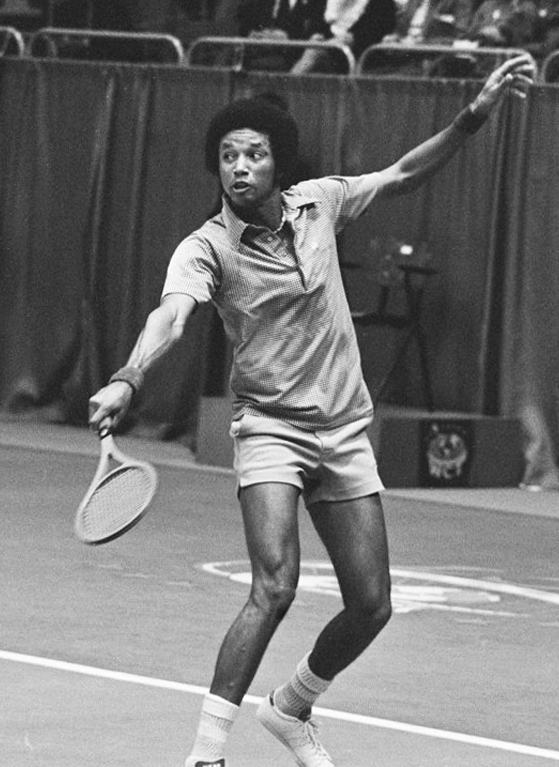
Arthur Ashe (1943–1993) was an American tennis player, the first Black man to win major singles titles, a civil-rights advocate and public-health campaigner who used sport to advance social causes.
Overview
Arthur Robert Ashe, Jr. (July 10, 1943 – February 6, 1993) was an American tennis player and public figure. He rose from segregated Richmond, Virginia to become one of the most accomplished athletes of his generation. Ashe combined on-court success with steady involvement in civil-rights advocacy, education and later, public health outreach after his HIV diagnosis.
Image gallery
8 Images




Career highlights
Ashe began playing competitively as a youth and made the transition to the professional game in 1969, after already winning a major title as an amateur in 1968. He captured three major singles championships: the US Open in 1968, the Australian Open in 1970 and Wimbledon in 1975. In doubles he added Grand Slam victories to his resume, including a title at the French Open and another at the Australian Open. He retired from full-time competition in 1980 but remained an influential presence in tennis.
Playing style and characteristics
Known for a tactical, intelligent approach rather than sheer power, Ashe's game emphasized precise serving, crisp volleys and strategic court sense. His style earned respect from peers and commentators for combining athletic skill with mental discipline. He often trained with and competed against leading contemporaries, helping to shape modern professional standards after the start of the Open Era in the late 1960s.
Activism, public life and later years
Off the court Ashe used his platform to speak on civil rights, educational opportunity and international issues such as apartheid. He was the first Black man selected for the United States Davis Cup team, and his visibility challenged racial barriers in sport. Following heart surgery in the 1980s, Ashe contracted HIV from a blood transfusion; he disclosed his illness publicly in 1992 and became a visible advocate for AIDS awareness and research until his death in New York City in 1993.
Legacy and honors
Ashe's legacy extends beyond match records. He authored and supported books and institutions, promoted youth tennis and worked on prison reform and social justice causes. In recognition of his impact, he received numerous honors during and after his life, including posthumous awards and induction into halls of fame. The Presidential Medal of Freedom was awarded after his death in 1993 as a testament to his combined sporting and humanitarian achievements.
Notable facts and context
- Born and raised in Richmond, Virginia, he developed his game in an era of segregation and limited access to facilities.
- He first began competing in top-level events before turning professional in 1969, and he formally retired from regular competition in 1980.
- Ashe won multiple Grand Slam singles and doubles titles; examples include the US Open, the Australian Open and Wimbledon.
- He also claimed Grand Slam doubles success, including at the French Open.
- Later in life he raised awareness of AIDS and its social implications and died in New York City.
For more on Ashe's match records, writings and charitable foundations, consult dedicated tennis archives and biographies that trace both his sporting achievements and his broader public service.
Grand Slam and career summaries, as well as historical context about race and sport, provide useful background for understanding why Arthur Ashe remains a prominent figure in both athletic and civic histories.
Tags
Related articles
Author
AlegsaOnline.com Arthur Ashe — Tennis champion, activist, and humanitarian Leandro Alegsa
URL: https://en.alegsaonline.com/art/6267
Sources
- atpworldtour.com : ATP
- biography.com : "Arthur Ashe"
- arthurashe.org : "Life Story"