
Grand Slam (tennis)
The Grand Slam tournaments are the four most prestigious annual tennis events — Australian Open, French Open, Wimbledon and US Open — renowned for ranking points, prize money, history and global attention.
The term Grand Slam (often called the Majors) refers to the four top-tier tennis tournaments that dominate the sport’s calendar and public attention. These events award the most ranking points, offer the highest prize money in tennis, and attract the greatest global audiences and media coverage. They are widely considered the primary measures of a player’s achievement and legacy in tennis.
Image gallery
10 Images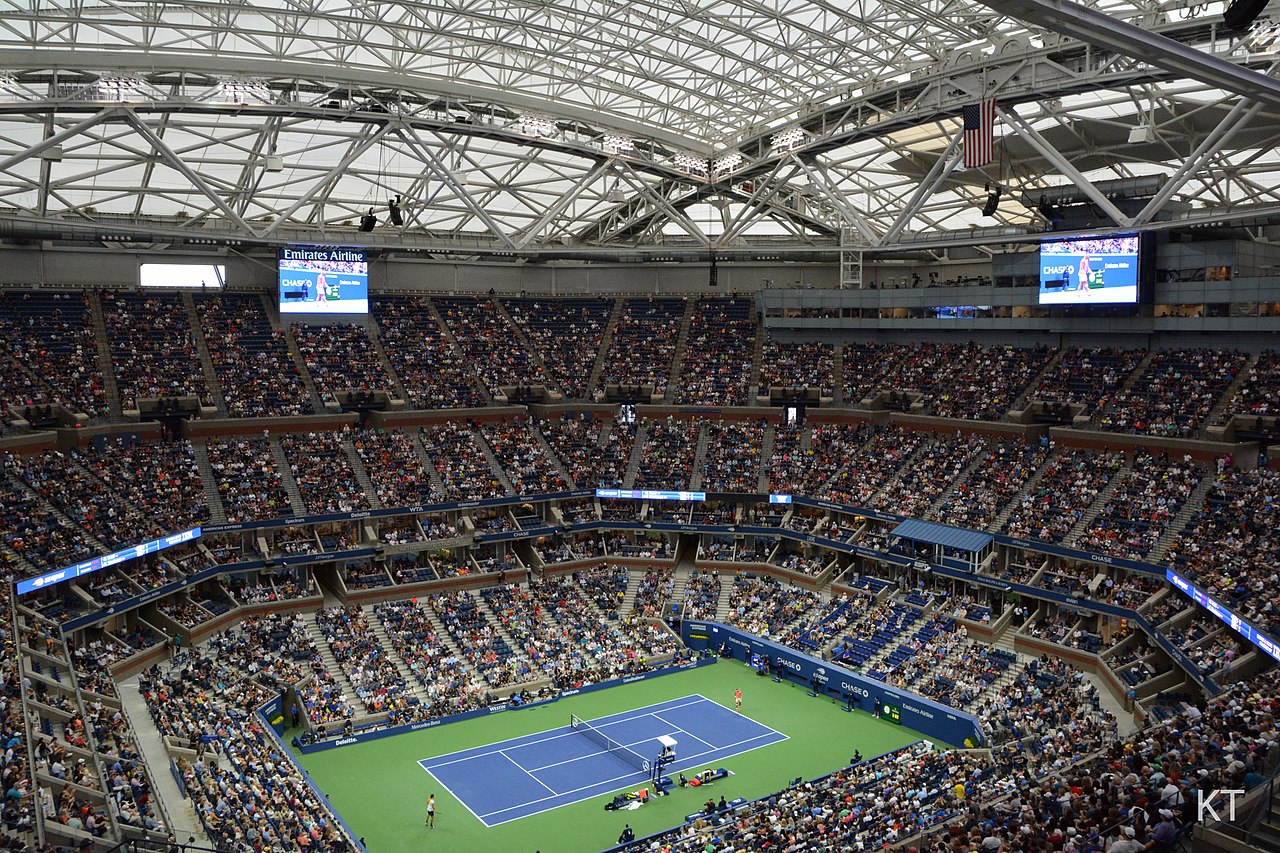







The four tournaments and surfaces
- Australian Open — played in January on hard court; a fast start to the season.
- French Open (Roland Garros) — played in late spring on clay; demands endurance and specialist movement.
- Wimbledon — held in early summer on grass; the oldest and most tradition-steeped Major.
- US Open — staged in late summer on hard court; known for vibrant night sessions and hard-court power play.
Each tournament uses a 128-player singles draw for men and women in the main event, with men’s singles traditionally contested as best-of-five sets and women’s singles as best-of-three. Grand Slams also host doubles, mixed doubles and junior and wheelchair competitions, giving them broad competitive scope.
History and development
Wimbledon is the oldest of the four and set the pattern for modern lawn-court competition. National championships in the United States, France and Australia evolved into international events over time. A major turning point came with the Open Era, when professional players were first allowed to compete alongside amateurs, cementing the Majors as the sport’s central stages.
Achievements and significance
Winning all four championships in a single calendar year is called a calendar Grand Slam and is one of tennis’s rarest accomplishments. More commonly discussed is the Career Grand Slam, achieved by winning each Major at least once over a player’s career. Grand Slam success shapes rankings, endorsement value and historical reputation, and many of the sport’s most celebrated rivalries and moments have unfolded at these events.
Beyond trophies and points, the Majors are cultural touchstones: they preserve traditions (such as Wimbledon’s dress code and court etiquette), drive innovation in officiating and broadcasting, and remain the benchmark for greatness in the sport.
Related articles
Author
AlegsaOnline.com Grand Slam (tennis) Leandro Alegsa
URL: https://en.alegsaonline.com/art/40223