
US Open (tennis)
The US Open is the final Grand Slam tennis tournament of the year, held each late August–early September in Queens, New York, featuring singles, doubles, mixed, junior and wheelchair competitions.
The US Open is one of the four major Grand Slam events in professional tennis. Held annually in late summer, it serves as the season's final major championship and attracts the world's top players across multiple draws. Run by the national governing body, the United States Tennis Association, the event combines high-profile main-draw matches, undercard competition, and a wide range of public activities that make it a centerpiece of the international hard-court season.
Image gallery
10 Images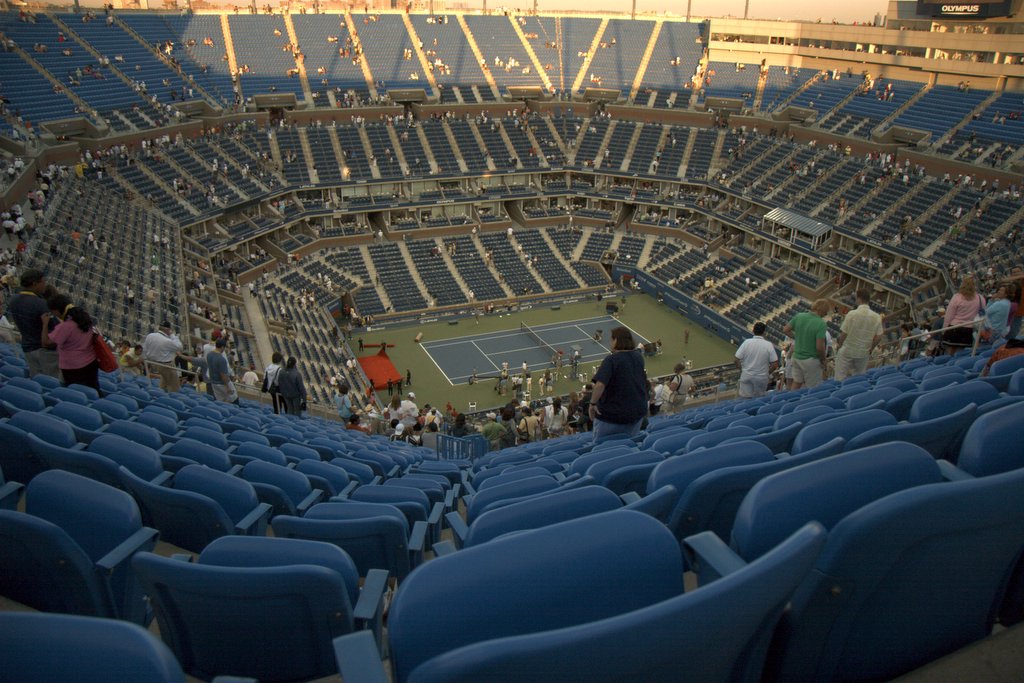




Location and venue
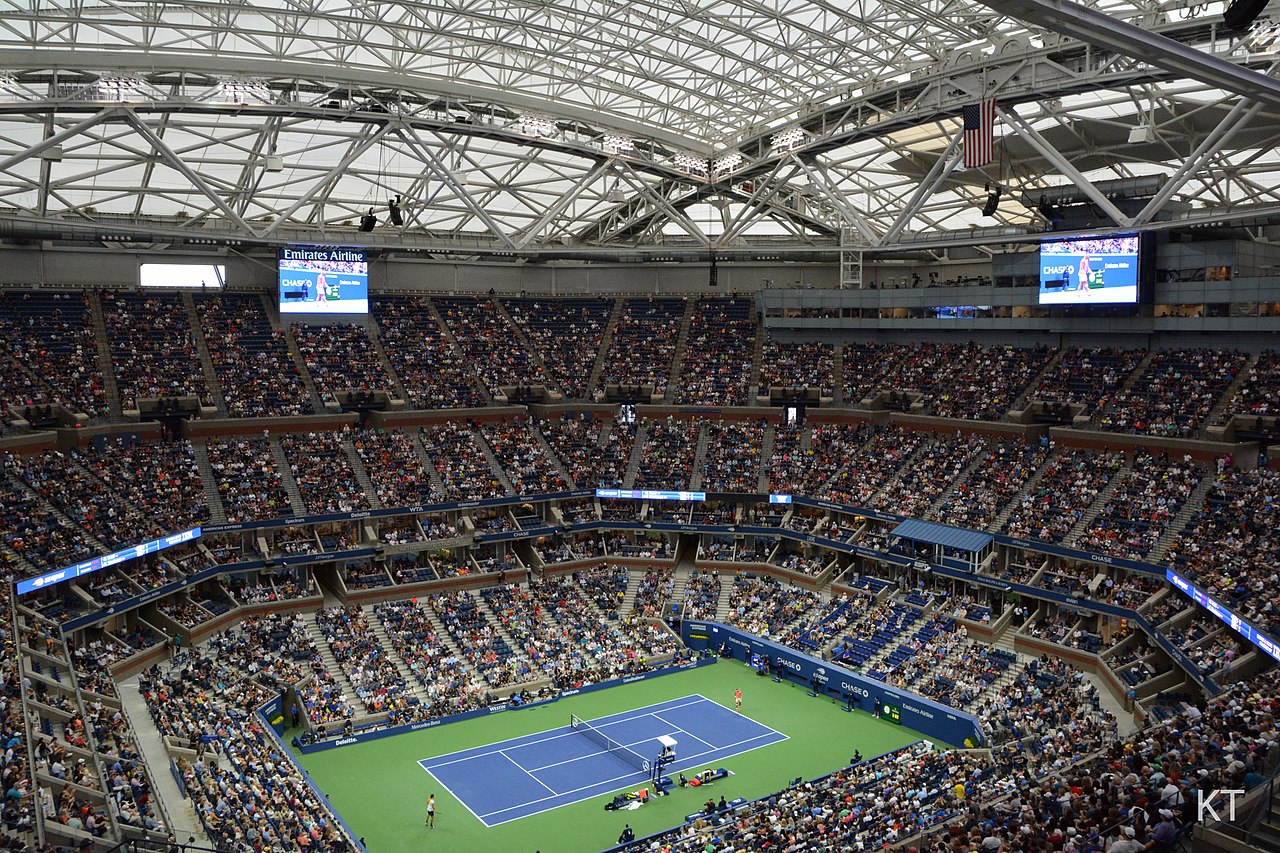
The tournament takes place in the borough of Queens, within New York City. Its primary site is a national tennis complex that includes Arthur Ashe Stadium, the tournament’s largest showcourt named after the champion and activist. The grounds are known for evening sessions, allowing for dramatic night matches that have become a signature element of the event’s atmosphere.
Surface and evolution
Over its long history the US Open has been staged on three distinct court surfaces. Originally played on lawn or grass, it moved in the 1970s to a green clay surface known as Har-Tru (a type of clay). Since the late 1970s it has been contested on hard courts built from a cushioned acrylic material, which produces a relatively fast and consistent bounce. These changes reflect broader trends in player preferences, maintenance considerations, and commercial developments in the sport.
Format and competitions
The US Open runs for two weeks, typically spanning late August and early September. The schedule includes men’s and women’s singles and doubles, mixed doubles, junior events for rising players, and wheelchair competitions. Matches are organized into seeded draws, with qualification rounds preceding the main tournament. The event is known for packed daily sessions and a mixture of high-stakes matches and earlier-round storylines.
Innovations and notable features
The US Open has a reputation for innovation within tennis. It was an early adopter of tiebreaks and introduced electronic review technology to Grand Slam play in the 2000s. Since 2006 players have been able to challenge calls using an electronic line-calling system (commonly called Hawk-Eye), allowing a virtual replay when a player questions the decision of an umpire. The tournament has also led developments in evening play, fan entertainment, and commercial presentation of the sport.
Importance and distinctions
As the closing major of the tennis calendar, the US Open often decides year-end narratives such as Grand Slam tallies, rankings battles, and historic milestones. It is a major economic and cultural event for its host city and an important stop on both the men’s and women’s tours. While prize structures and broadcast arrangements have evolved, the US Open remains noted for its accessibility to fans, high-energy atmosphere, and role in popularizing professional tennis worldwide.
Event categories
- Men’s singles and doubles
- Women’s singles and doubles
- Mixed doubles
- Junior and wheelchair tournaments
The US Open combines deep historical roots—dating back to the 19th century—with modern facilities and technology. Its changing surfaces, progressive rule experiments, and prominent urban setting ensure it continues to be both a competitive highlight and a widely watched sporting spectacle.
Questions and answers
Q: What is the US Open?
A: The US Open is one of the four Grand Slam tennis tournaments, played in Queens, New York City in the USA.
Q: Who runs the US Open?
A: The US Open is run by the United States Tennis Association.
Q: What surfaces has the US Open been played on?
A: The US Open has been played on three different surfaces: Grass (1881-1974), Har-Tru (a type of clay court, 1975-1977), and Decoturf (a type of hard court, 1978-present).
Q: When was the first US Open played?
A: The US Open was first played in 1881 for men, and 1887 for women.
Q: What is Hawk-Eye?
A: Hawk-Eye is a machine that can give a virtual replay of the shot that has just been played, used to determine if the ball was in or out.
Q: When did the US Open first use Hawk-Eye?
A: In 2006, the U.S. Open became the first Grand Slam to use Hawk-Eye.
Q: When is the US Open played?
A: The US Open is the final Grand Slam of the year and is played over two weeks, in late August and early September.
Related articles
Author
AlegsaOnline.com US Open (tennis) Leandro Alegsa
URL: https://en.alegsaonline.com/art/103649