
Richmond, Virginia — Capital city on the James River
Richmond is the capital of the Commonwealth of Virginia, an independent city on the James River with a long history, distinct neighborhoods, and roles in government, commerce, and culture.
Overview
Richmond is the capital of the Commonwealth of Virginia and an independent city not located within any county. It sits astride the James River and serves as an administrative, commercial, and cultural center for the surrounding region. The city proper had a population recorded in the 2010 census of about 204,214, while the larger Richmond metropolitan area is home to over a million people, making it one of the commonwealth's major urban centers.
Image gallery
10 Images

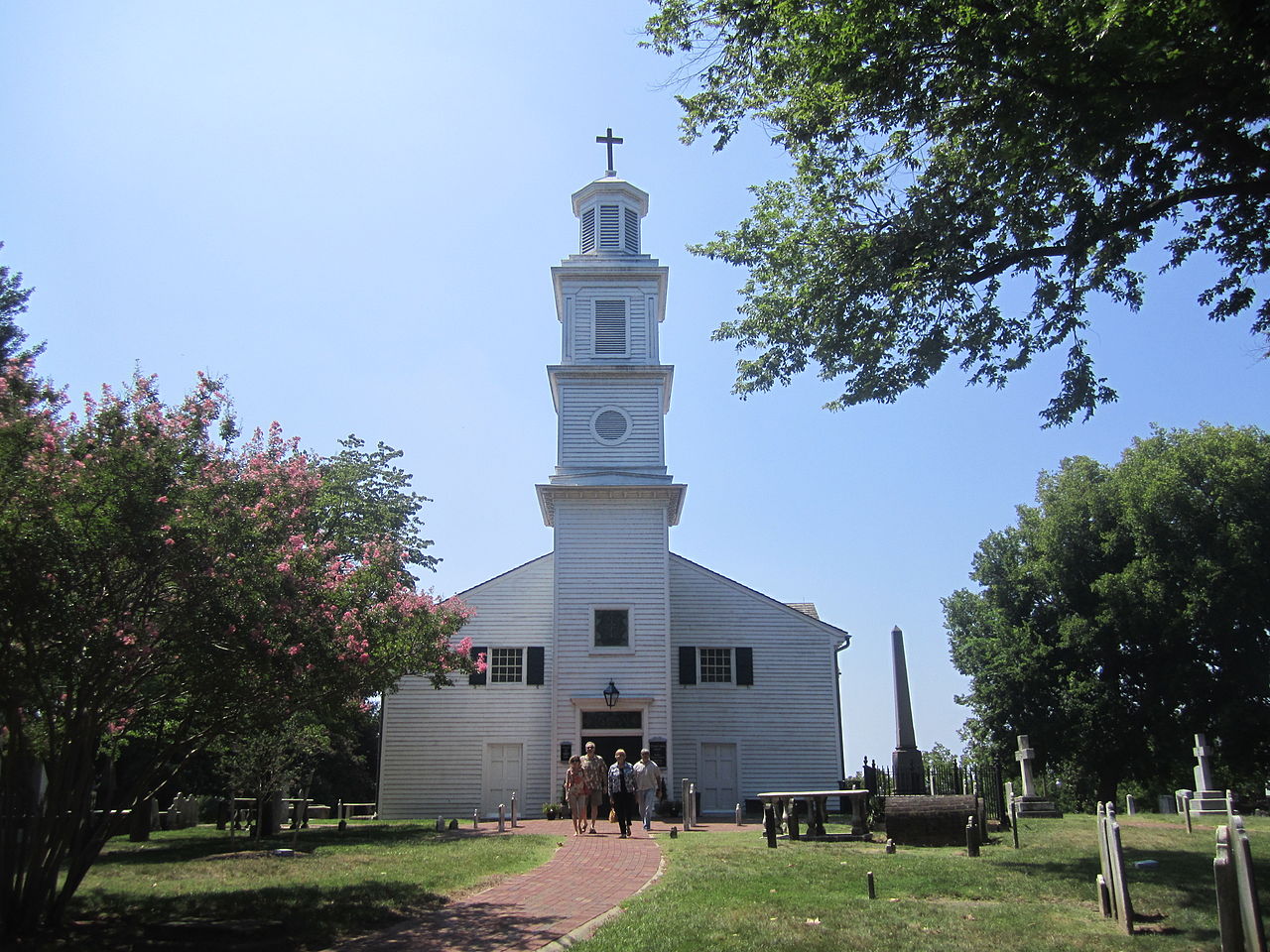


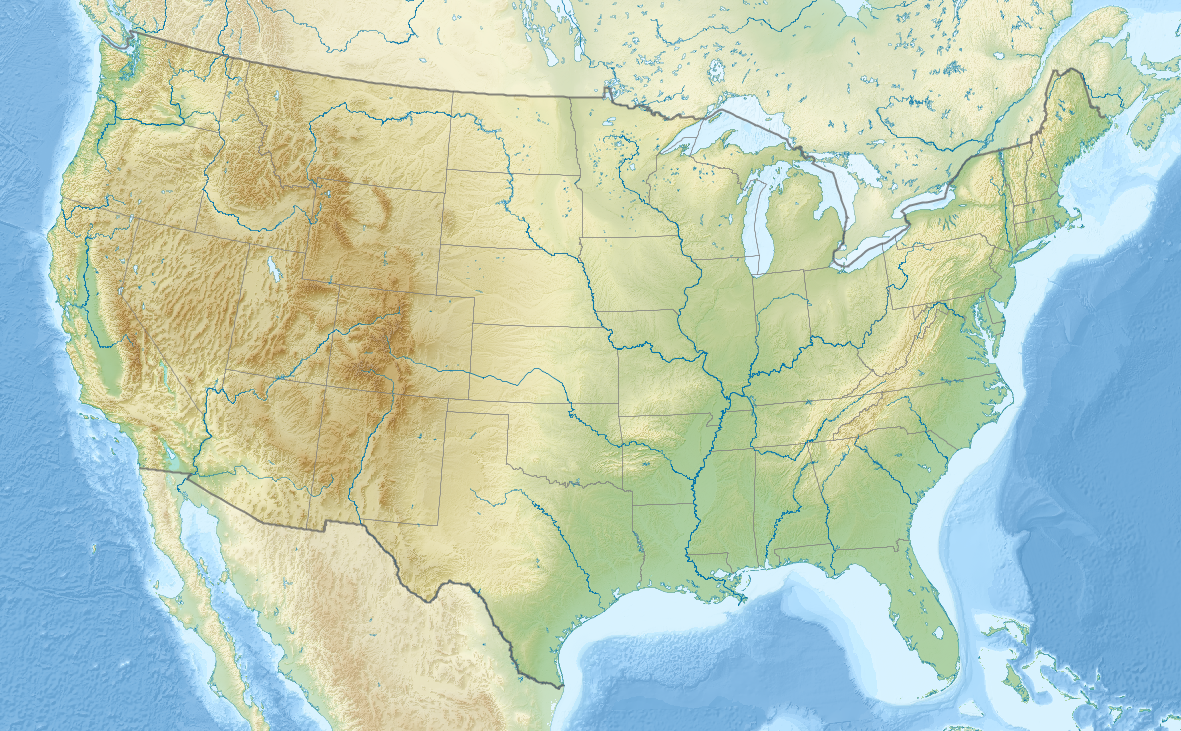


Geography and neighborhoods
Richmond's riverfront setting shaped its growth: rapids and falls along the James determined early settlement sites and powered mills and industry. The urban fabric includes a variety of neighborhoods such as downtown business districts, historic wards along the river, and residential areas with 19th- and 20th-century houses. Extensive parkland and the James River Park System provide outdoor recreation close to the urban core.
History and development
Settled in the colonial era and named after Richmond in England, Richmond grew as a river port and commercial center, particularly for tobacco and related industries. It became a vital political and manufacturing center in the 19th century and played a central role in the Civil War as the Confederate capital. In the decades since, the city has rebuilt and diversified economically while preserving many historic sites and museums that interpret its past.
Economy, education and culture
Today Richmond's economy blends state government, legal and financial services, health care, education, and a growing creative and craft sector. Major institutions include public and private universities and museums that contribute to research, arts, and employment. The city sustains a lively arts scene, culinary offerings, breweries, and community festivals that reflect both traditional and contemporary cultural life.
Points of interest
- State government buildings and civic monuments
- Art and history museums with regional and national collections
- Historic districts, preserved sites, and walking tours of early neighborhoods
- Riverside parks, trails, and recreational access to the James River
Notable distinctions
Richmond is legally an independent city, a municipal form found in Virginia that separates the city from county government. Its combination of historical significance, riverside geography, and a diversified modern economy make it a prominent capital city in the Mid-Atlantic. Visitors and residents commonly recognize Richmond for its blend of historic architecture, public institutions, and active cultural life.
Questions and answers
Q: What is Richmond?
A: Richmond is the capital of the Commonwealth of Virginia, in the United States.
Q: Is Richmond part of any county?
A: No, Richmond is an independent city and not part of any county.
Q: How many people live within the city limits of Richmond?
A: In 2010, there were 204,214 people living within the city limits of Richmond.
Q: How large is the population for the entire Richmond Metropolitan Area?
A: The population for the entire Richmond Metropolitan Area is estimated to be 1,258,251.
Q: What does this make it in terms of size in Virginia?
A: This makes it the third largest city in Virginia.
Related articles
Author
AlegsaOnline.com Richmond, Virginia — Capital city on the James River Leandro Alegsa
URL: https://en.alegsaonline.com/art/82774
Sources
- richmondgov.com : Richmondgov.com
- virginia.org : Civil War Richmond – The South's Capital – Virginia Is For Lovers
- styleweekly.com : One of the most extensive collections of Eskimo folk art is right here in Richmond.
- factfinder2.census.gov : "American FactFinder" · web.archive.org
- geonames.usgs.gov : "US Board on Geographic Names"
- 2010.census.gov : 2010 U.S. Census Data: Virginia
- coopercenter.org : "Weldon Cooper Center 2010 Census Count Retrieved January 28, 2011"
- money.cnn.com : Fortune 500 2009: States: Virginia Companies
- commons.wikimedia.org : Richmond, Virginia