
Maracaibo
Maracaibo is a major Venezuelan city on Lake Maracaibo in Zulia State. Known for its oil-rich basin, tropical climate and cultural traditions such as gaita music, it is the country’s second-largest city.
Maracaibo is a major urban center in northwestern Venezuela, located on the western shore of Lake Maracaibo. It serves as the capital of Zulia State and is widely known by its local nickname, La Tierra del Sol Amada ("The Beloved Land of the Sun"). The core city had about 1.5 million residents and the wider metropolitan zone was around 2.1 million as of 2010; contemporary figures vary with more recent estimates and administrative definitions — see the metropolitan notes at metropolitan statistics.
Image gallery
10 Images



Geography and climate
Maracaibo occupies low coastal terrain at the head of the gulf-like inlet formed by Lake Maracaibo, one of South America's largest lakes. The city’s position at the lake’s outlet toward the Caribbean has shaped its economy and transport links. The climate is tropical and typically hot and humid, with seasonal rainfall and strong sunshine that underpin its celebratory nickname. The surrounding region also includes wetlands and oilfields that define much of the landscape.
History and development
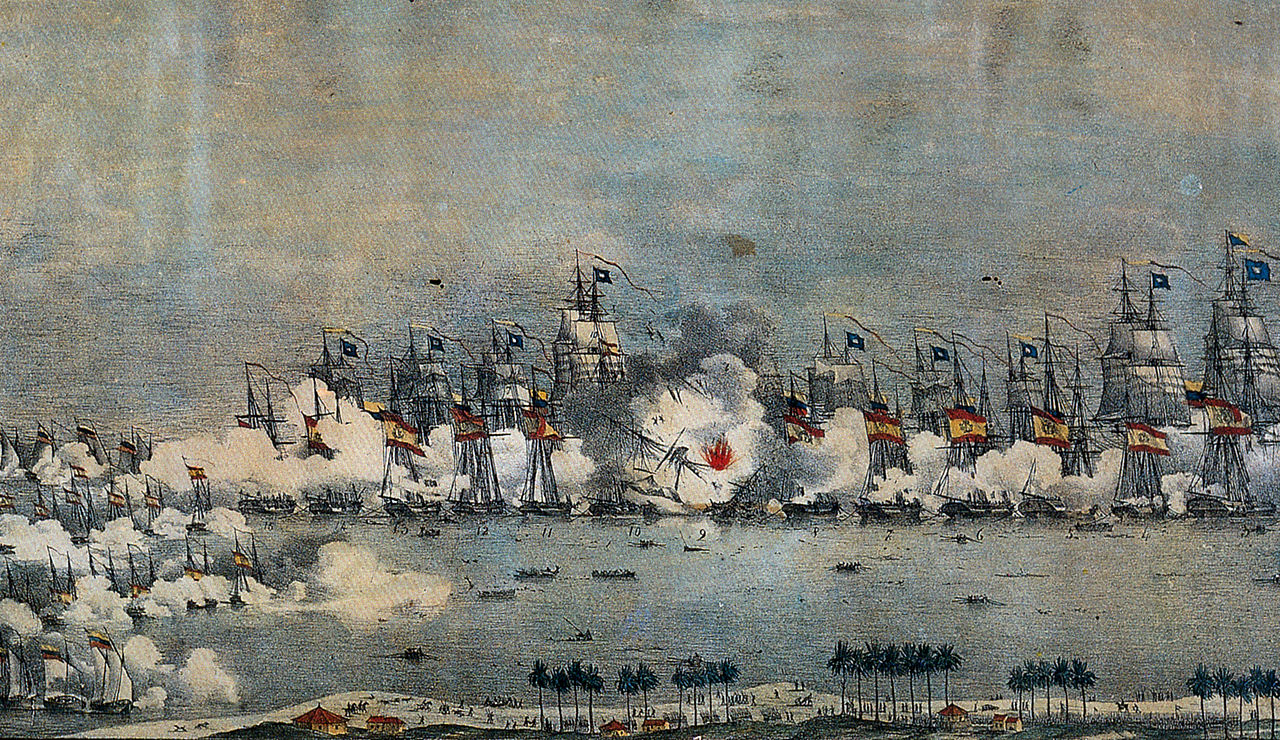
The settlement that became Maracaibo traces its colonial origins to the early 16th century. It grew from a small port into an important regional center during the colonial and republican eras. In the 20th century, discovery and exploitation of hydrocarbons in the Maracaibo Basin transformed the city into a national commercial and industrial hub. These developments brought rapid urban growth and drew migrants from other parts of Venezuela and abroad.
Economy and infrastructure
The economy of Maracaibo is strongly linked to petroleum extraction and refining concentrated in the Maracaibo Basin, one of Venezuela’s principal oil-producing regions. The port and lake-related activities support fishing, trade and transport. Urban infrastructure includes major road connections and the long, distinctive bridge across the lake that links the city to its eastern shore. Air travel is served by the region’s international airport, and the urban area contains industrial zones, commercial districts and residential neighborhoods.
Culture, landmarks and society
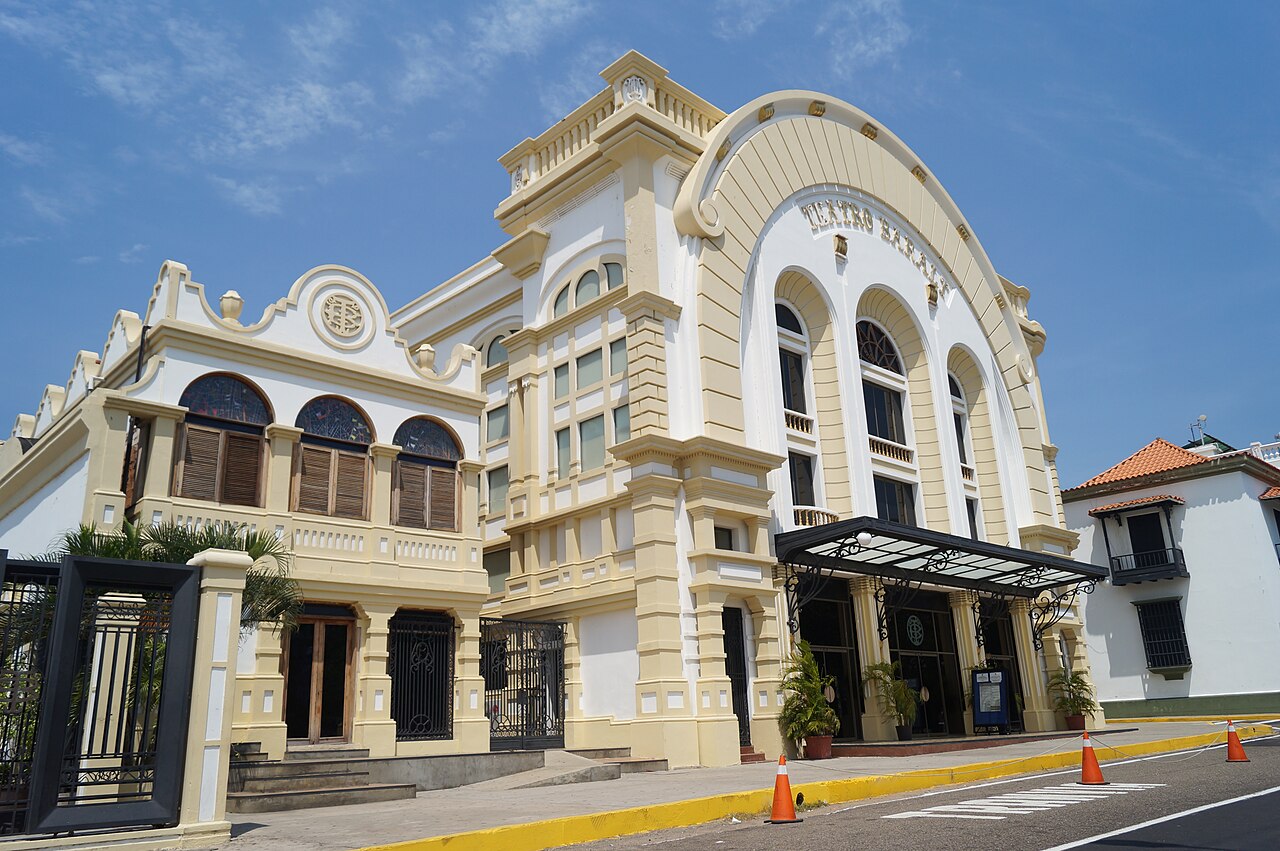
Maracaibo is a regional cultural center with musical traditions such as gaita zuliana, a winter-season folk style closely associated with local festivals. Important landmarks include 20th-century engineering works and religious sites that are focal points for civic life. Local cuisine, seasonal celebrations and a strong sense of regional identity characterize daily life. Visitors and researchers can find further overviews of the city’s attractions and heritage at regional sources such as location and travel guides.
- Notable sites: the major bridge crossing Lake Maracaibo, central plazas and historic churches.
- Economic note: the Maracaibo Basin’s oil fields have had national and international significance since the 20th century.
- Natural phenomena: the lake and its surrounding wetlands influence weather patterns in the area.
Like many large cities, Maracaibo faces social and environmental challenges tied to rapid growth, resource development and urban management. Nevertheless, it remains an important Venezuelan metropolis, notable for its regional role, sunny climate and distinct cultural expressions. For administrative and demographic details consult official or specialist sources referenced under metropolitan and state entries such as metropolitan information and Zulia State profiles.
Related articles
Author
AlegsaOnline.com Maracaibo Leandro Alegsa
URL: https://en.alegsaonline.com/art/61529