
Manioc (Cassava, Yuca): a tropical root crop and its uses
Manioc (Manihot esculenta), also called cassava or yuca, is a tropical shrub grown for its starchy, edible roots. It is a staple food and industrial crop that requires specific processing to remove toxins.
Manioc, commonly known as cassava or yuca in different regions, is the common name for Manihot esculenta, a woody shrub cultivated primarily for its large, starchy tuberous roots. The plant is central to the diets of millions in tropical regions and is valued for its ability to produce calories under marginal growing conditions. The name manioc and its regional variants appear across languages and cultures; for background on regional naming see Latin American usage.

Image gallery
10 Images

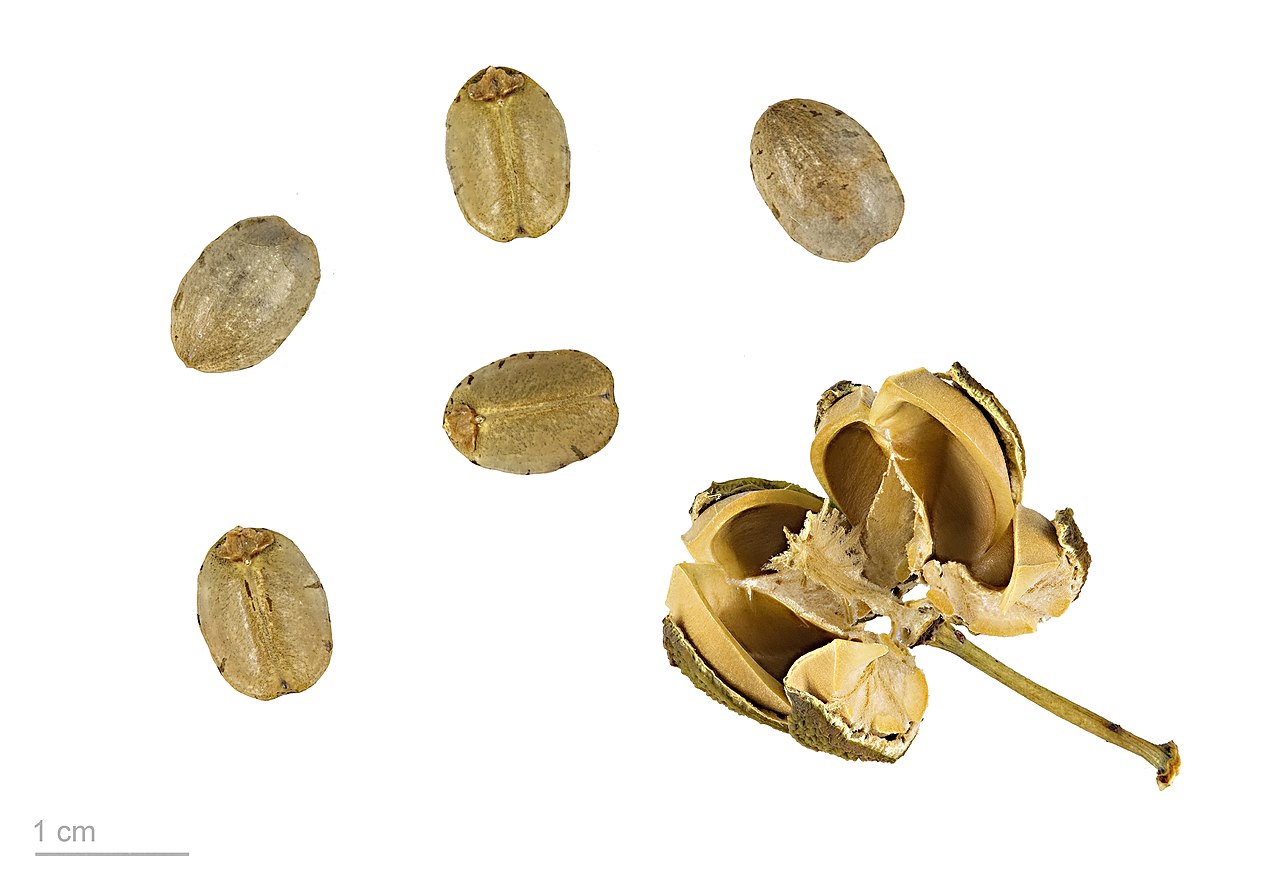

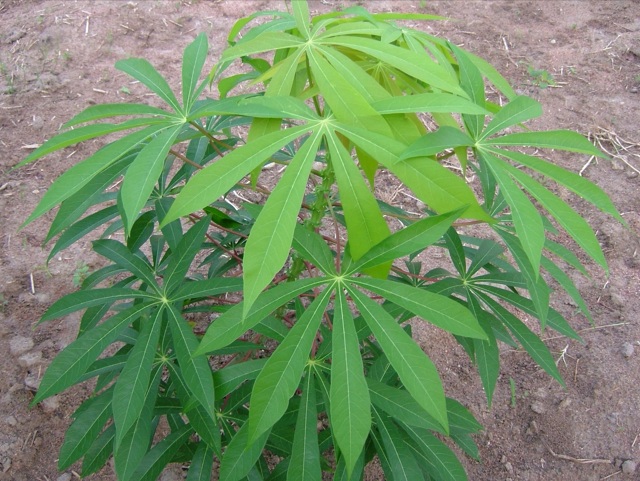


Botanical characteristics
Manioc is a perennial shrub in the spurge family, Euphorbiaceae, typically grown as an annual crop. The above-ground stems and leaves can reach a metre or more, but the edible portion is the underground root. The plant is often vegetatively propagated by stem cuttings rather than by seed. For basic botanical information see resources that describe it as a shrub adapted to tropical climates.

Toxicity and processing
Raw manioc contains naturally occurring cyanogenic glycosides, compounds that can release cyanide if consumed without proper processing. Traditional and industrial methods reduce toxicity: peeling, grating, soaking, fermentation, pressing, drying, and thorough cooking are typical. Different varieties are described as "sweet" or "bitter" depending on their cyanide potential; bitter types require more extensive detoxification. Common processing steps include:
- Peeling and washing the roots to remove surface contaminants.
- Grating or milling followed by pressing or squeezing to extract harmful juices.
- Fermentation and drying to produce shelf-stable flours and flakes.

Uses, products, and culinary traditions
Cooked manioc is versatile. Roots can be boiled, roasted, or fried; they are mashed into porridges or formed into breads and dumplings. Processed derivatives include tapioca pearls, cassava flour, garri, farinha, and fermentates used across Africa, Asia and the Americas. Manioc-based dishes appear in soups and stews as both a starch and thickener; see an example of culinary use in soup and stew recipes. Typical manioc products include:
- Tapioca and pearls used in desserts and beverages.
- Cassava flour and starch used for baking and industrial applications.
- Fermented staples such as fufu, gari and other regional foods.

History, cultivation and importance
Originating in South America, manioc was domesticated by indigenous peoples of the Amazon and spread globally after European contact. It thrives in poor soils and withstands drought better than many other staples, making it a reliable calorie source where other crops fail. However, manioc is low in protein and several micronutrients, so populations that depend heavily on it need dietary diversification or fortification. Beyond food, cassava starch has industrial uses—adhesives, textiles, and bioethanol among them—contributing to its economic importance.
Notable distinctions
Terminology varies: "manioc" often refers to the plant and traditional preparations, "cassava" is common in English-language agricultural contexts, and "yuca" is used in parts of Latin America. Understanding these names helps when consulting regional recipes, agricultural guides, and nutritional information. For more general information see entries and botanical references that cover its cultivation and uses, including edible root summaries.
Related articles
Author
AlegsaOnline.com Manioc (Cassava, Yuca): a tropical root crop and its uses Leandro Alegsa
URL: https://en.alegsaonline.com/art/61344