
Malta (island)
Malta is the largest island of the Maltese archipelago in the central Mediterranean, home to the national capital Valletta and noted for its history, limestone landscape and densely settled towns.
Overview
Malta is the largest and most populous island of the Maltese archipelago, which also includes Gozo and Comino. It lies in the central Mediterranean Sea, to the south of the Italian region of Sicily and the country of Italy, and north of the coast of Libya. The island measures roughly 27 kilometres long and 14.5 kilometres wide and is extensively urbanised: rather than a single large city it is made up of a network of towns and villages clustered together on a small land area. The national capital, Valletta, is a historic city and the administrative centre, but many other localities have important commercial and residential roles.
Image gallery
10 Images






Geography and environment
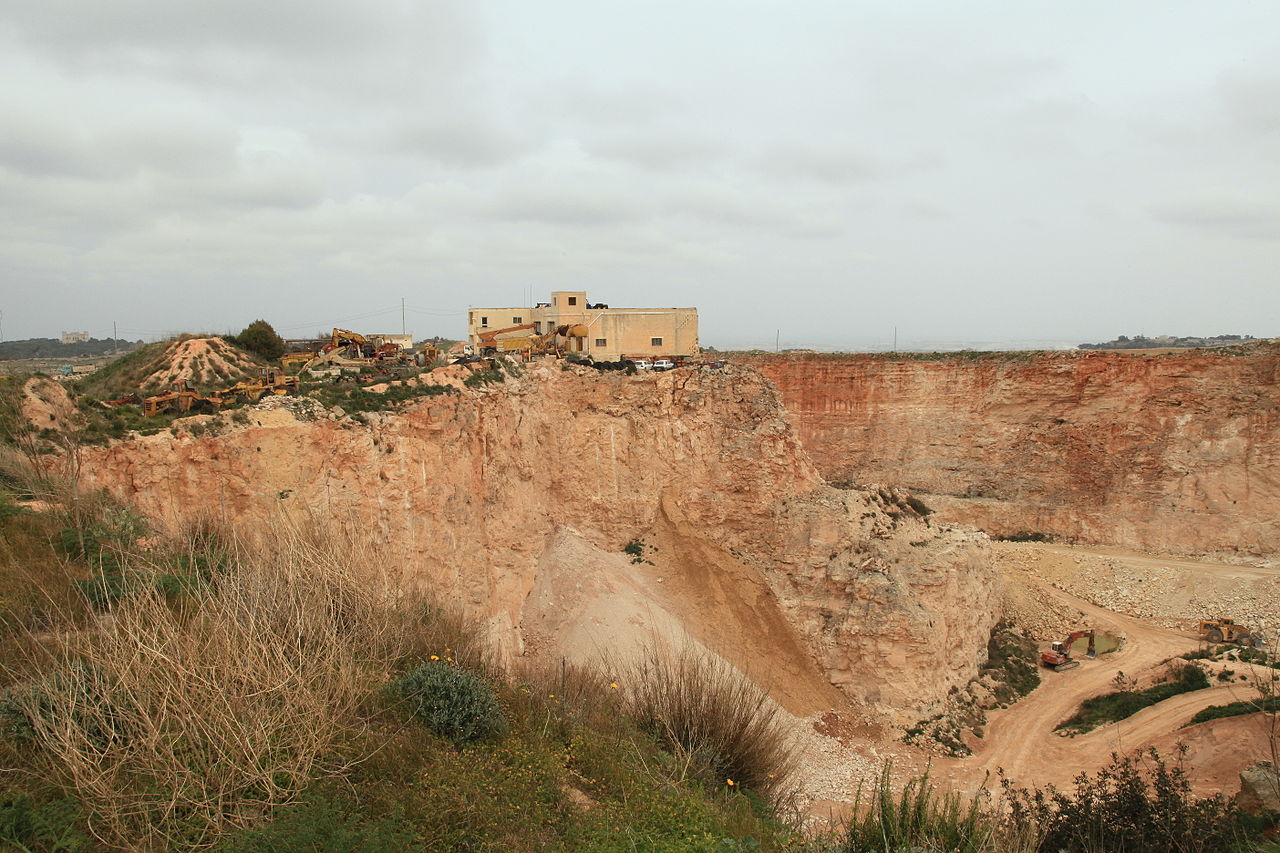
Malta's terrain is predominantly low-lying and formed of sedimentary limestone, with a coastline indented by bays, small cliffs and natural harbours. The soils are thin and vegetation is typically Mediterranean scrub and garigue. Fresh water is limited and historically shaped settlement patterns; today water supply is supplemented by desalination. Coastal and marine habitats are biologically important, while urban expansion and tourism have altered large parts of the island's natural cover.
Climate
The climate is typically Mediterranean: hot, dry summers and mild, wetter winters. Seasonal rainfall is concentrated in autumn and winter months, with long dry periods in summer. These conditions support a tourist season that extends beyond the summer months and influence agriculture, which in the past consisted of small-scale cultivation and remains limited by land availability.
History and cultural significance
Malta has a long human history dating back to prehistoric times. The islands are known for some of Europe's oldest megalithic temples and for underground burial sites. Over the centuries Malta's strategic position in the central Mediterranean brought successive waves of influence from Phoenician and Roman traders, through medieval and early modern European powers. In the early modern period the Knights Hospitaller fortified the islands and later British rule left a lasting imprint on administration and infrastructure. The modern Republic of Malta emerged in the 20th century and has since been active in international affairs.
Population, language and culture
The island is densely populated and highly urbanised, with communities linked by roads and public transport. Maltese and English are official languages; Maltese is a Semitic language written in the Latin alphabet and reflects the island's complex cultural history. Local culture blends Mediterranean customs, religious traditions and modern European influences, visible in festivals, architecture and cuisine.
Economy and transport
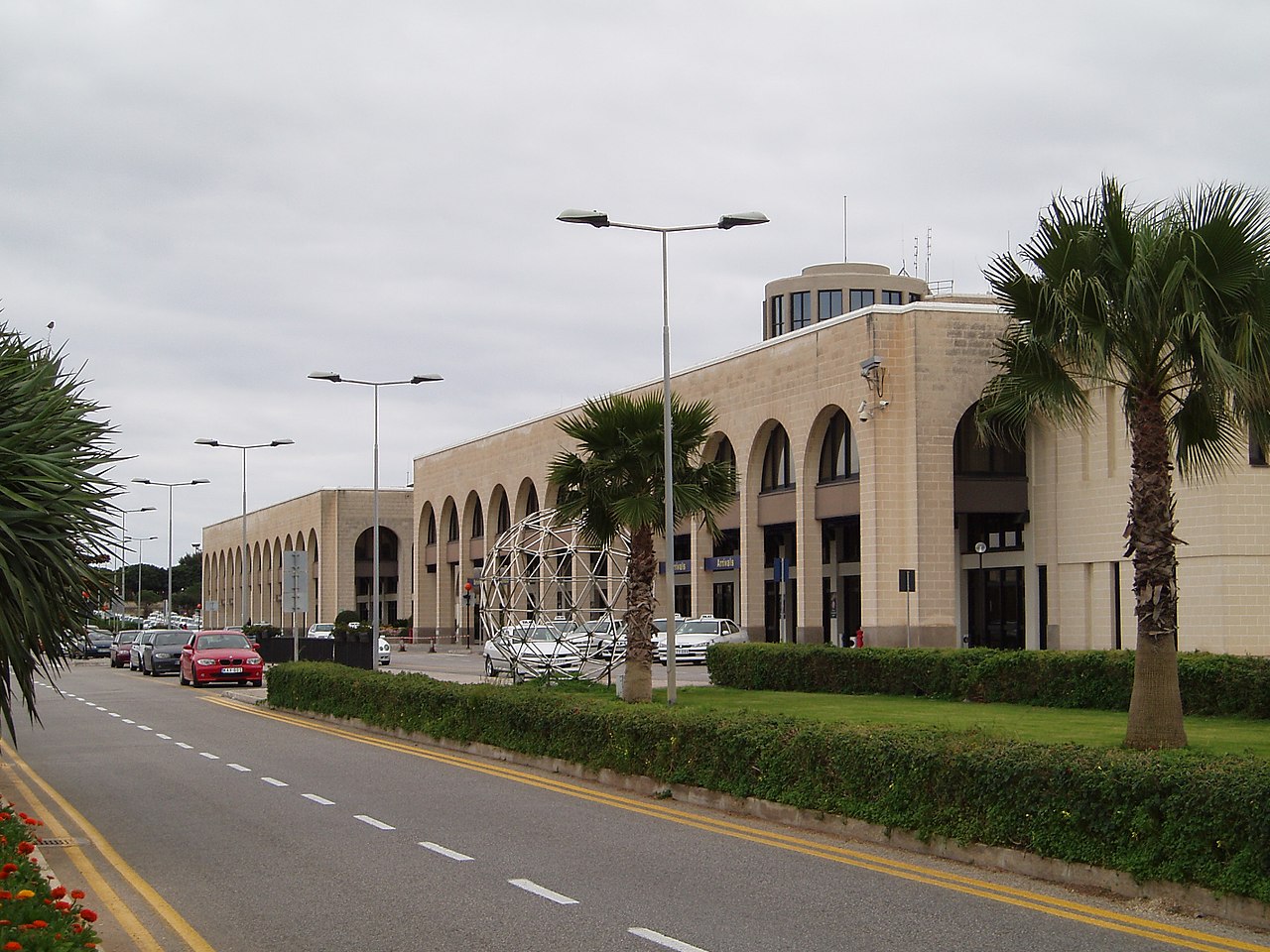
Malta's economy on the main island is driven by tourism, maritime and shipping services, light industry, and growing financial and digital services sectors. Malta International Airport and a network of roads provide links within the archipelago and to overseas destinations; ferries connect the main island with Gozo and other ports. Limited land area and high population density make land-use planning and transport management important policy issues.
Notable sites
- Valletta: compact Baroque capital with grand harbour fortifications and several museums.
- Megalithic temple complexes and the Ħal Saflieni Hypogeum: prehistoric monuments of archaeological significance.
- Historic harbour areas and coastal fortifications that reflect the island's maritime role.
Practical notes
It is common for outsiders to conflate the island of Malta with the independent state of Malta or with its capital; when referring to the island specifically, use the name "Malta" or "the island of Malta" and distinguish it from neighbouring countries or regions such as Italy and the nearby North African coast. For maps, travel planning and in-depth information consult authoritative national and regional resources and cultural guides.
Related articles
Author
AlegsaOnline.com Malta (island) Leandro Alegsa
URL: https://en.alegsaonline.com/art/61073
Sources
- books.google.com : An Archaeology of the Senses: Prehistoric Malta