
Mansa Musa — Emperor of Mali and his 14th‑century pilgrimage
Mansa Musa (c.1280–c.1337), ruler of the Mali Empire, famed for a lavish 1324–25 Hajj, expansive patronage of Islam and learning, and a reputation for extraordinary wealth.
Overview
Mansa Musa was the ruler (often called a mansa or emperor) of the imperial office of the Mali Empire in the early 14th century and is one of the best‑known leaders from medieval West Africa. Contemporary chronicles and later histories identify him as a devout Muslim who governed a state built on trans‑Saharan trade in gold and salt, and who used his resources to sponsor religious, educational and architectural projects.
Image gallery
4 Images


Origins and reign
Mansa Musa is usually dated to c.1280–c.1337 and is commonly described as a descendant and successor of Sundiata Keita; many accounts identify him as a great‑nephew of Sundiata Keita. He came to the throne around 1312 and ruled for more than two decades. Under his leadership Mali expanded its commercial reach and consolidated control of important caravan routes that connected West Africa with North Africa and the Mediterranean world.
The pilgrimage (Hajj) and its impact
In 1324–25 Mansa Musa undertook the Muslim pilgrimage, the Hajj, to Mecca. Medieval sources describe an enormous entourage: a large caravan of attendants, envoys and traders, with hundreds or thousands of servants and dozens to hundreds of camels carrying gold and provisions. Accounts emphasize his lavish distribution of gold as gifts and alms in cities along the route, most notably in Cairo. These expenditures are reported to have temporarily depressed the price of gold in the regions he passed through, an effect historians regard as plausible though difficult to quantify precisely.
Patronage, learning and religion
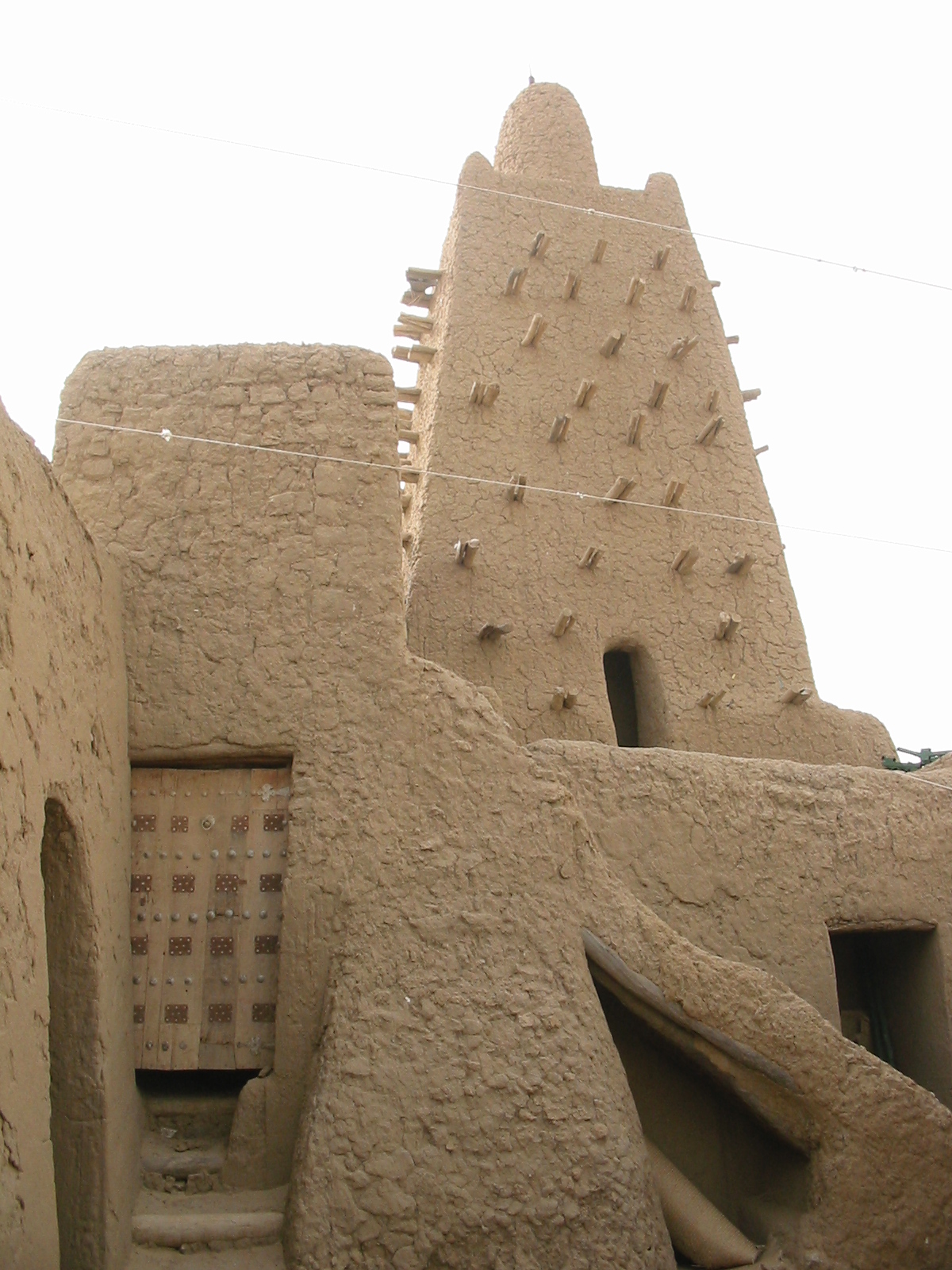
Mansa Musa’s pilgrimage had cultural as well as economic consequences. He commissioned and funded mosques, schools and scholars; his patronage helped elevate cities such as Timbuktu and Gao as centers of Islamic learning and trans‑Saharan trade. He sent emissaries and students north to study, and invited architects and jurists to West Africa. His piety and support for Islam (the religion is often discussed in contemporary sources; see Islam) were expressed through the construction of institutions inspired by Qur'anic teaching (the Qur'an) and by fostering scholarship in jurisprudence, theology and the sciences.
Achievements, sources of wealth and administration
- Control of gold‑producing areas and strategic trade routes that linked the interior to Mediterranean markets.
- Infrastructure and architectural projects in regional capitals, including mosques and learning centers.
- Diplomatic and cultural connections with North Africa and the broader Islamic world.
Modern estimates of Mansa Musa’s wealth vary and are often speculative; many historians consider him among the wealthiest individuals in history because of Mali’s extensive gold resources and the ruler’s authority over state revenue.
Legacy and representations
Mansa Musa’s fame reached Europe and the Islamic world. North African and European mapmakers began to depict him on maps and in manuscripts; the Catalan Atlas and other later works portray him holding a gold nugget as a symbol of his riches. Over subsequent centuries, as Mali’s central authority waned, European and other portrayals sometimes shifted in tone and accuracy. Local traditions and scholarship continue to regard him as a pivotal figure in the history of West African statehood, commerce and Islamic learning. Some later genealogies and chronicles mention family details, though specific personal information—such as named spouses—can be uncertain or vary between sources.
For further reading, consult specialist histories of the Mali Empire and studies of trans‑Saharan trade and medieval West African Islam. Primary medieval chronicles and modern scholarship provide complementary perspectives on Mansa Musa’s life and the broader historical context.
Emperor (role) | Mali Empire | West Africa | Sundiata Keita | Hajj | caravan | camels | Cairo | price of gold | Islam | Qur'an
Questions and answers
Q: Who was Mansa Musa?
A: Mansa Musa was an emperor (manse) of the Mali Empire during the 14th century. He became emperor in 1312 and is famous for his Hajj (1324–5).
Q: How much would his wealth be worth today?
A: Today, his wealth would be worth about US$400 billion.
Q: Who started the Mali Empire?
A: Sundiata Keita started the Mali Empire, and Mansa Musa was his great nephew.
Q: What did he bring on his journey to Mecca?
A: On his journey, he brought supplies and bags, 500 slaves each carrying a gold staff, and 80 to 100 camels each carrying 300 pounds of gold dust.
Q: What did he do when he stopped at places on his way to Mecca?
A: When Mansa Musa stopped at places on his way to Mecca, such as Timbuktu and Gao, he left enough gold for a mosque to be built every Friday.
Q: How did Mansa Musa help spread Islam?
A: Mansa Musa helped spread Islam by being a devoted Muslim himself and building many schools based on the teachings of the Qur'an. He also sent students to Islamic universities in northern Africa.
Q: How were European cartographers influenced by him after his Hajj?
A: After Mansa Musas's Hajj, European cartographers began to draw him on maps as a noble king; however, as the empire of Mali fell apart so did this reputation - artists drew him as a parody of European royalty or just as a normal person with a crown.
Related articles
Author
AlegsaOnline.com Mansa Musa — Emperor of Mali and his 14th‑century pilgrimage Leandro Alegsa
URL: https://en.alegsaonline.com/art/61400