
Mahamudra — the 'Great Seal' meditation of Tibetan Buddhism
Mahamudra is a Tibetan Buddhist tradition of meditation and view emphasizing direct, nonconceptual recognition of the mind’s nature, taught especially in the Kagyu, Gelug and Sakya lineages.
Mahamudra (Sanskrit mahāmudrā) names a range of contemplative instructions in which practitioners are guided to directly recognize the basic nature of mind. It is presented both as a philosophical view and as practical techniques for resting in nondual awareness. In living practice Mahamudra appears as a form of structured meditation within broader Buddhism and is especially associated with schools of Tibetan Buddhism.
Image gallery
9 Images





Origins and historical transmission
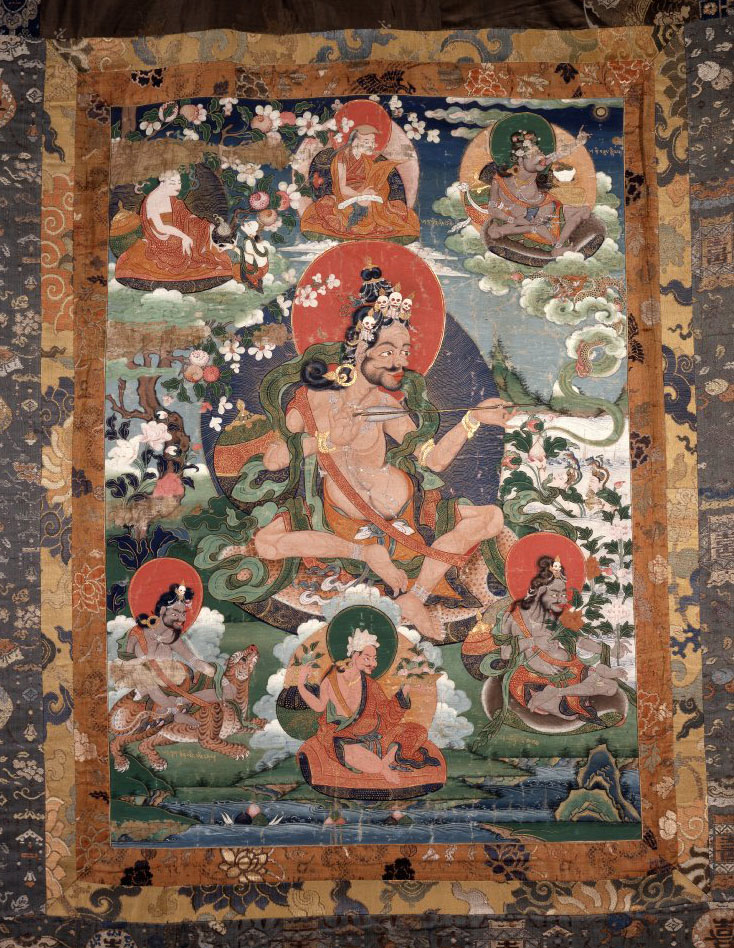
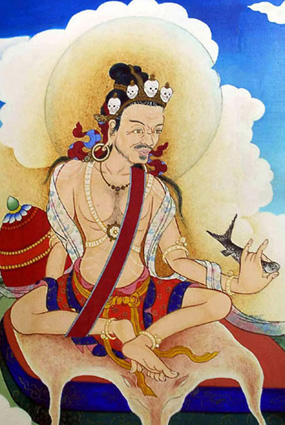
Classical presentations trace Mahamudra to Indian tantric and Mahayana sources and to early tantric adepts often called mahasiddhas. These teachings were transmitted to Tibet by translators and yogins and were systematized in Tibetan lineages. The method became particularly developed in the Kagyu school, while elements and interpretations have also been taught in the Gelug and Sakya traditions.
Core features and practice
Mahamudra emphasizes immediate, nonconceptual recognition of mind’s clarity and openness. Training commonly combines preparatory ethical and devotional practices, shamatha (calm-abiding) to stabilize attention, and vipashyana (insight) to investigate cognition and emptiness. A characteristic pedagogical technique is the "pointing-out" instruction by an experienced teacher that invites the student to glimpse awareness itself.
Stages, methods and safeguards
Instructional lineages vary in style: some present step-by-step analytic meditations leading to direct resting, others emphasize sudden recognition and effortless resting in natural awareness. Because Mahamudra concerns subtle shifts in experience, traditional teachers recommend qualified guidance, ethical preparation and retreat conditions before engaging advanced practices.
Relation to other approaches
Though Mahamudra and Dzogchen (practiced in Nyingma and Bön contexts) share a concern with the natural state, they differ in terminology, emphasis and conventional techniques. Contemporary teachers have transmitted Mahamudra widely in the West through translations and retreats, often stressing both study and experiential practice.
Sanskrit term · Meditation · Buddhism · Kagyu · Gelug · Sakya · Tibetan Buddhism · Nyingma/Dzogchen
Related articles
Author
AlegsaOnline.com Mahamudra — the 'Great Seal' meditation of Tibetan Buddhism Leandro Alegsa
URL: https://en.alegsaonline.com/art/60703